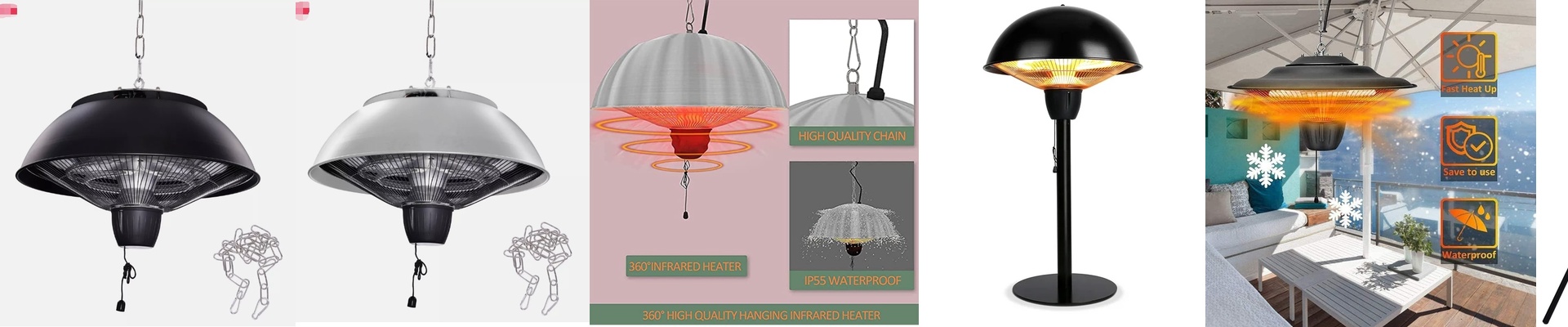
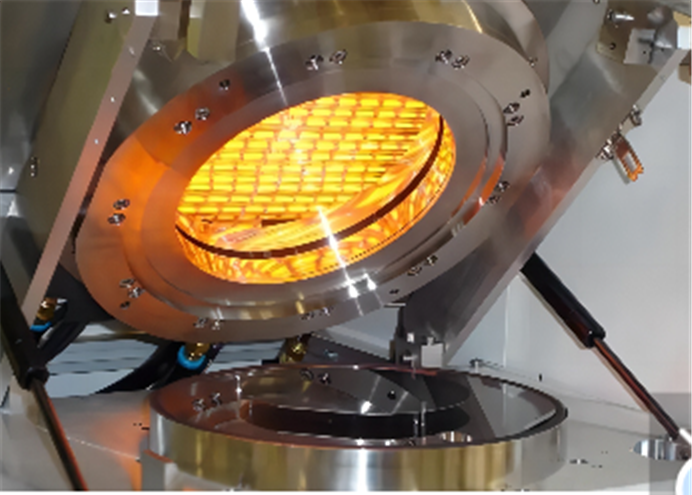
Keeping Your IR Heaters Alive in Chemical Rinse Zones
Let’s be honest: putting infrared heaters in a chemical rinse area is a bit like playing with fire. When you’ve got high heat mixing with flammable or explosive vapors, one tiny spark or a leaky seal isn’t just a “technical failure”—it’s a disaster. That’s exactly why we built these waterproof lamps. We wanted to get rid of those scary failure points entirely. The struggle with the seals Most standard IR lamps just can’t handle rinse environments. The chemical mist finds a way in, hits the electrode seals, and everything goes south. To fix this, we use a hermetic encapsulation process. Basically, we wrap the quartz tube and the electrical terminals in a waterproof sleeve that doesn’t care about chemicals. It keeps the liquids far away from the live current. No short circuits, no corroded filaments. Just a lamp that actually works. Dealing with the heat stress It’s a tough job. The lamp has to stay hot while getting blasted by rinse liquids. We use high-purity quartz to keep the heat steady, but the real secret is in the gaskets. If the seal doesn’t expand at the same rate as the quartz, the lamp will just crack the first time you turn it on. We spent a lot of time picking materials that can handle that rapid “hot-cold-hot” cycle without losing the vacuum seal. The real-world trade-offs Now, here is the part where we’re honest with you. You can wire these right into your line, but they take up more space. The waterproof housing adds some bulk compared to a bare tube. It also shifts the radiation pattern a bit. You might find you need to tweak the spacing of your lamps so you don’t end up with cold spots on your parts. And because of that protective layering, they don’t ramp up to full heat quite as fast as a naked lamp. It’s a fair trade for peace of mind. Just do us a favor: check the seals every six months. You want to make sure those corrosive vapors haven’t started pitting the outer casing.