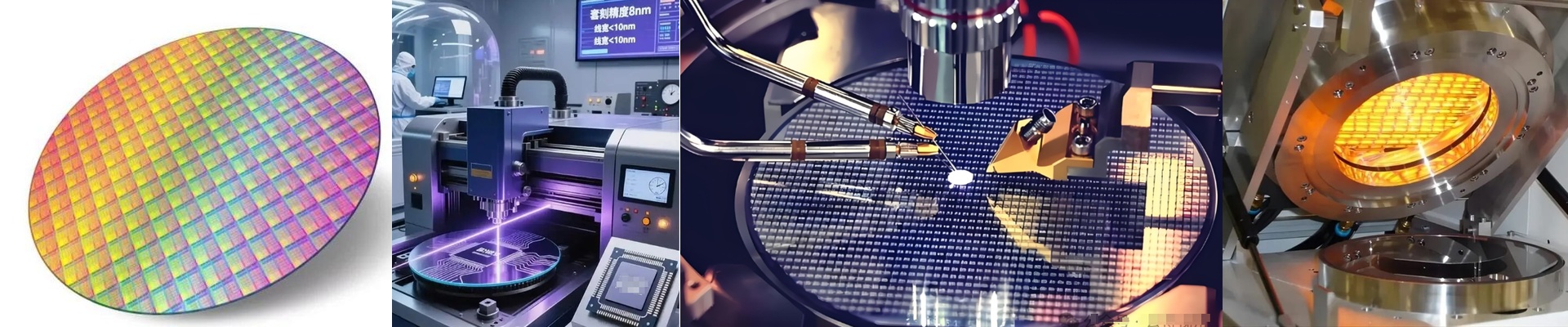

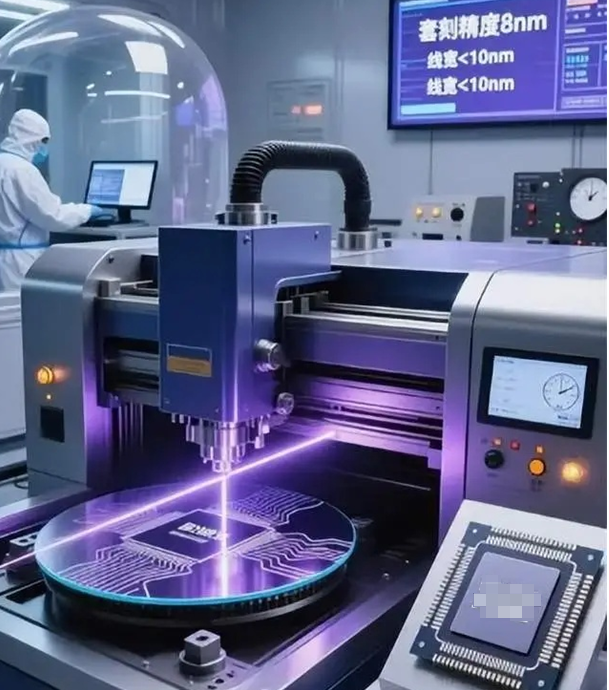
Why We’re Swapping Convection Ovens for IR Curing
Let’s be honest: those old-school convection ovens are a bit of a dinosaur. They’re slow, they’re bulky, and they just don’t cut it anymore—especially now that we’re all pushing for lead-free and green energy standards. That’s why we’ve moved to certified infrared (IR) curing lamps. Instead of trying to heat up an entire room’s worth of air just to get a part dry, IR lamps use electromagnetic radiation. It’s a much smarter way of doing things. You’re hitting the substrate directly. No middleman. Stop wasting power on hot air Think about how much energy it takes to heat a massive volume of air. It’s a total waste of kilowatts. IR lamps are different. They target the specific absorption bands of the curing agent. The best part? The warm-up time is basically nonexistent. You flip a switch, and you’re at your target temperature in seconds. No more sitting around waiting for an oven to idle. It makes the whole fab feel leaner. You hit your green energy targets and keep your carbon footprint small, but you don’t have to slow down your production to do it. Getting lead-free right Here is the tricky part: lead-free solders and adhesives are picky. They need a very specific thermal profile. If you get too hot, you’re going to fry your sensitive components. With IR, we can actually tune the wavelength—short, medium, or long—to match exactly how the material absorbs heat. It solves that annoying “skin effect” where the top looks cured but the underside is still wet. We just tweak the lamp distance and the power input to make sure the heat is spread evenly across the whole wafer or PCB. It’s precise. It’s clean. The catch: You’ve got to manage the heat Now, it’s not all magic. High-intensity IR puts a lot of pressure on your cooling. The lamps are efficient, sure, but that radiant heat has to go somewhere, and it tends to build up in the machine chassis. You can’t skimp on your exhaust fans or heat sinks. If your cooling flops, you’ll get thermal drift, and suddenly your batch consistency is out the window. My advice? Wire it up with a solid PID controller. It keeps the temperature stable within ±1°C, so you can actually sleep at night knowing the parts are coming out right.