Why Most Coop Heaters Die (And How We Fixed Ours)
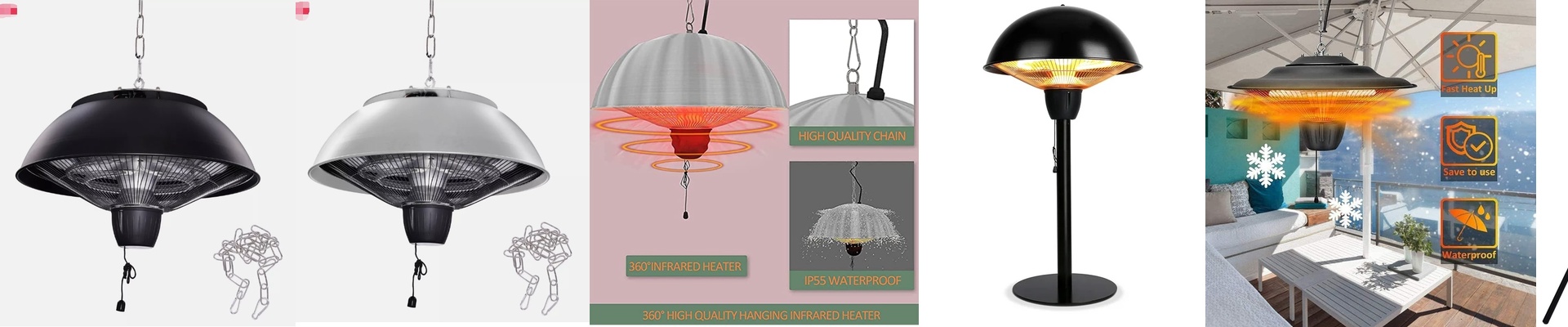
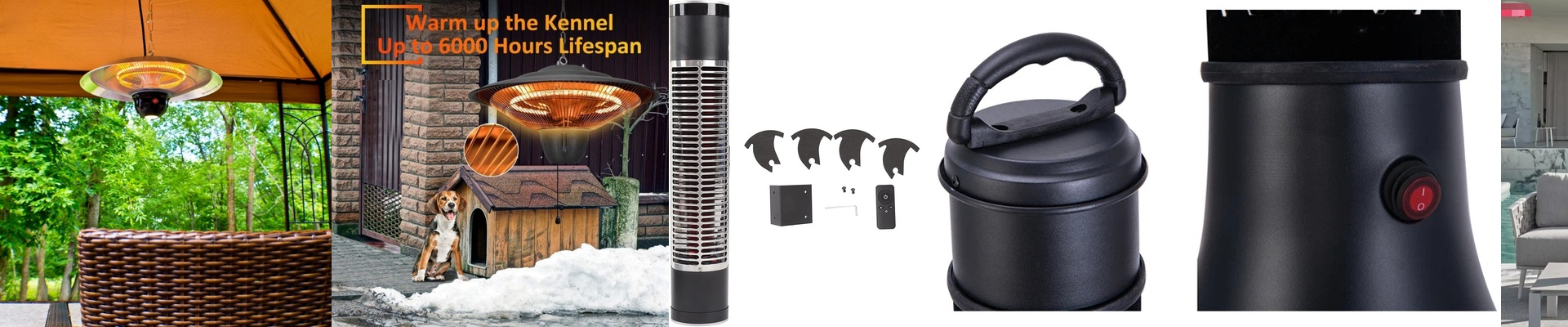
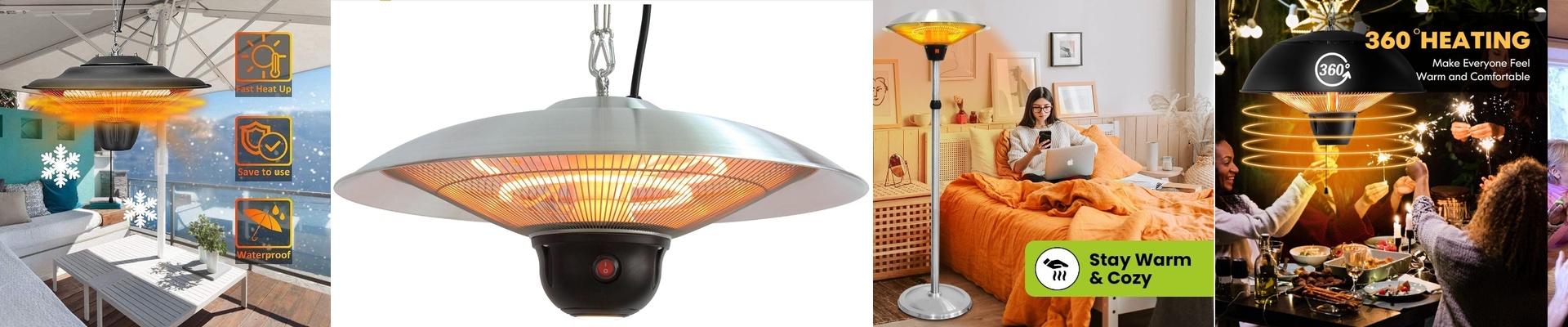
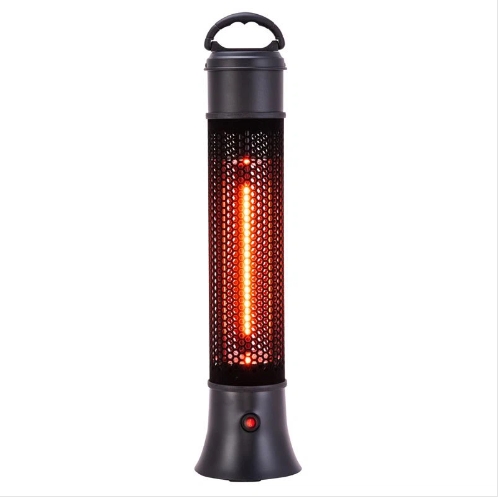
Let’s be honest: chicken coops are a nightmare for electronics. Between the ammonia fumes, the constant humidity, and the inevitable water splashes, most infrared lamps just can’t hack it. They burn out way too fast. We got tired of seeing that happen, so we built our heaters to actually survive a farm. Dealing with the damp Here is the problem with standard infrared tubes. When a drop of water hits that scorching hot quartz glass, it causes “thermal shock.” In plain English? The glass cracks. It’s that simple. To stop that, we added a protective shield and a sealed housing. It keeps the water away from the heating element. We also focused on an anti-fog design. If condensation builds up on the lens, it blocks the heat, which forces the unit to work overtime just to keep your birds warm. Our setup keeps the lens clear so the heat actually gets where it needs to go. Built for the grit We didn’t just stop at the glass. We used a reinforced coating on the quartz to keep those corrosive coop gases from eating through the seals. Even the wiring is tucked away in moisture-resistant conduits. It means when you’re installing this in a damp environment, the internal electronics stay dry and safe. It’s built to be tough. The honest trade-off Now, there’s a catch. Because we added these protective layers, the heater is a bit bulkier. You also lose a tiny bit of raw heat—maybe 5%—because the shield absorbs a fraction of the energy. But look at it this way: an exposed bulb might feel a bit hotter for a minute, but it’ll shatter the second a chicken kicks water onto it. We’d rather give you a heater that’s slightly less “intense” but lasts for years, instead of one you have to replace every single season. It takes a beating, keeps the power draw steady, and just works.