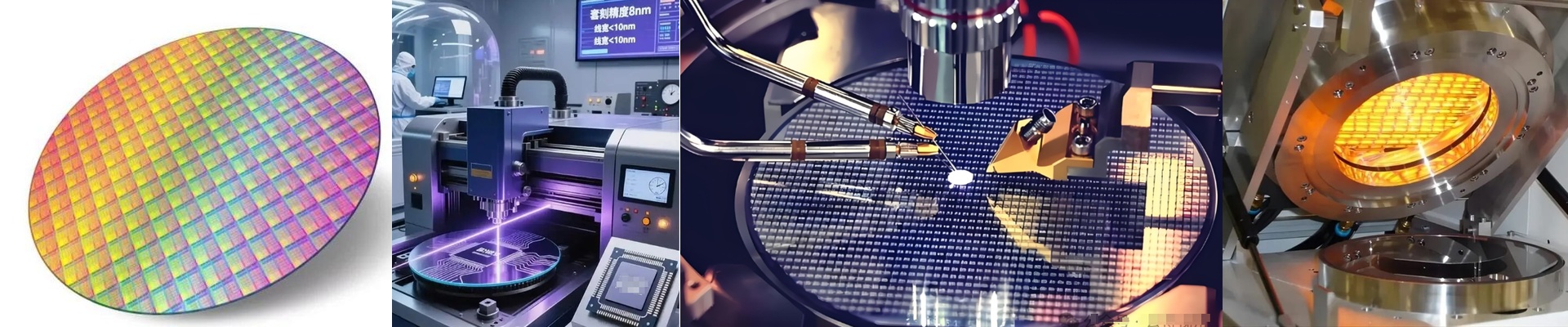
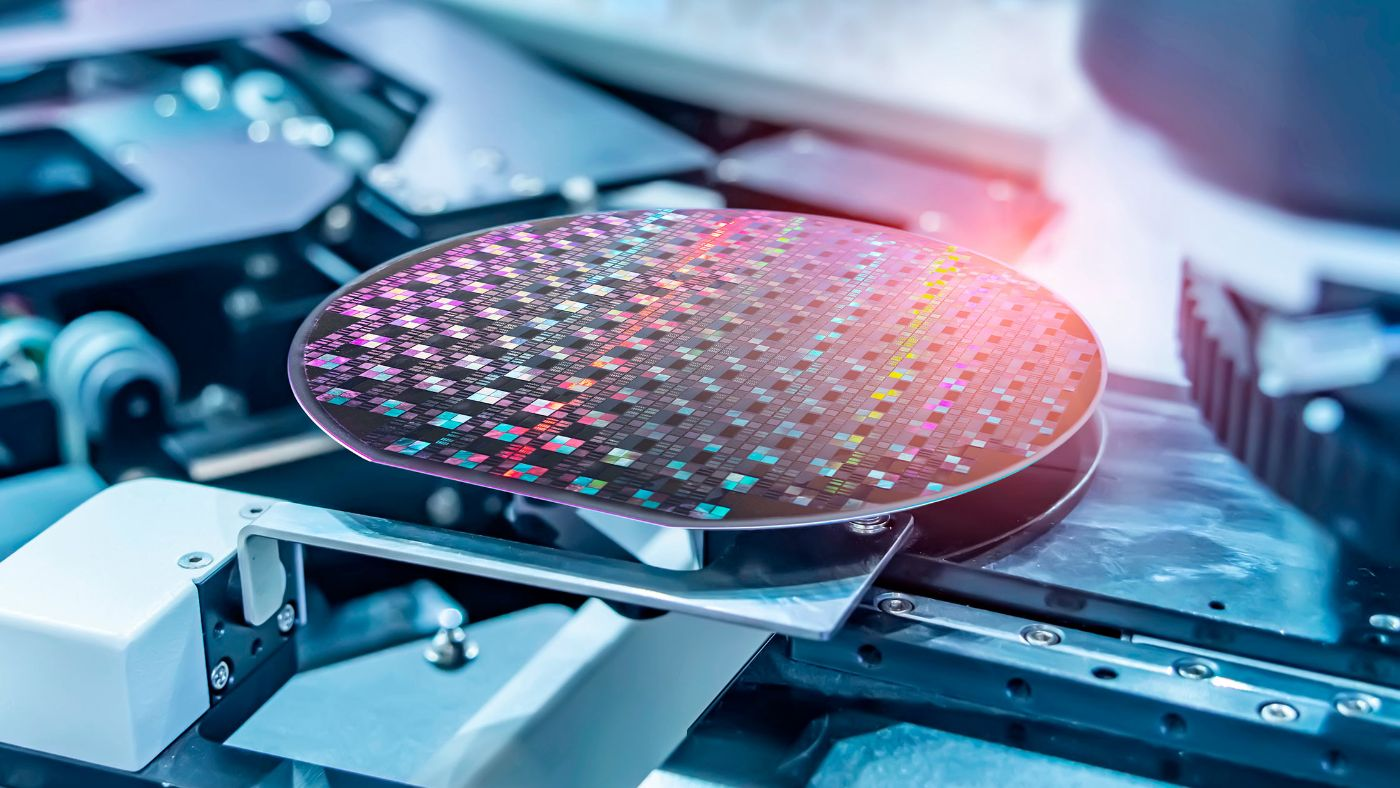
On the fab floor, the thermal budget for lithography starts with the soft bake and hard bake. A 1.5°C drift, or a cold spot across the wafer, will move critical dimensions fast. That’s how you scrap whole lots and stall the line. We built our photoresist curing infrared lamps to keep that thermal profile stable, shift after shift. What actually matters is control at the wafer level. Our NIR short-wave source dumps energy straight into the resist, fast, and holds wafer-plane uniformity within ±0.1°C. The lamp body is quartz, with high-purity reflector assemblies, so it runs clean in Class 1–100 without adding particles. Output repeatability stays within 0.5% around the clock, and closed-loop control keeps the thermal profile locked on setpoint—no overshoot. Here’s why it works in practice: it meets international semiconductor equipment thermal standards and drops in as a validated equivalent. You end up with tighter CD control, fewer rework bakes, and less scrap. Energy use drops because the lamp heats the resist itself, not the whole chamber. We’ve run units for 5,000+ hours and seen less than 5% output drop, which keeps photoresist process windows consistent across lots. A couple of practical notes: the lamp is compatible with standard SEMI interfaces and common litho bake tracks, but integration still needs attention—stage thermal mass and the exhaust path matter. Plan a short commissioning run to tune the profile to your resist stack. Once it’s set, the process stays in control, and the line keeps moving.