
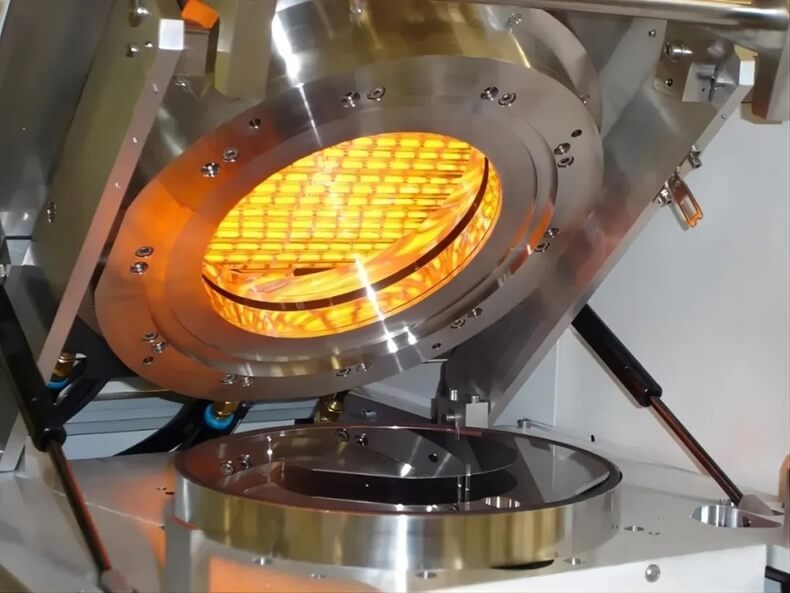
Stop Guessing Your Heat: Moving to Digital IR in the Fab
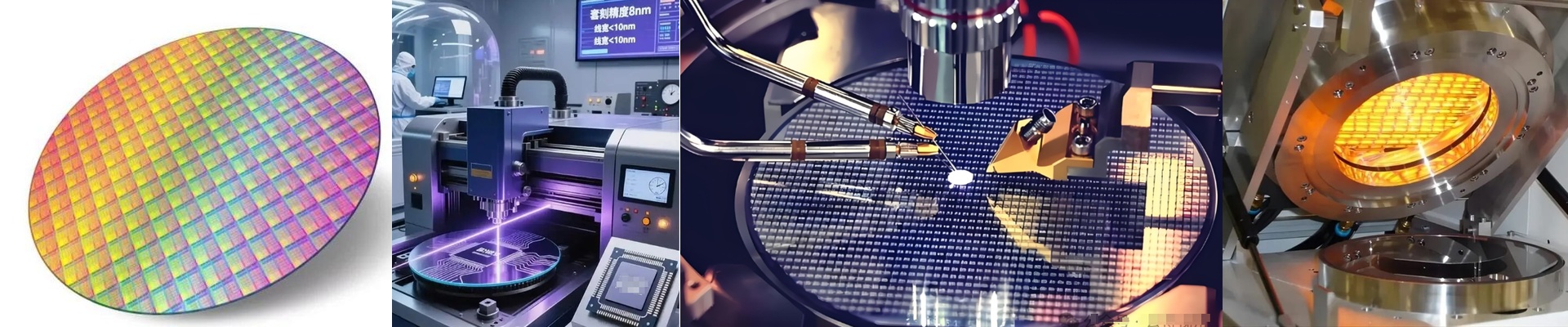
If you’re still relying on old-school analog thermostats and manual tuning to run your Fab, you’re basically flying blind. We’ve found that switching to digital infrared dryer controllers changes the whole vibe. Instead of just “turning on the heat” and hoping for the best, you turn thermal energy into actual data you can see and move.
How the Logic Actually Works
Most old heating systems are “set it and forget it.” The problem? They usually overshoot the target temperature, and before you know it, you’ve scorched a substrate. Digital controllers fix this with PID algorithms. Now, that sounds like a textbook, but all it really means is that the system constantly talks to itself. It adjusts the wattage on the fly so you hit the exact temperature you need. No spikes. No wasted power. Plus, these things talk to your PLC via Modbus or OPC UA. You can see exactly how many kilowatts are hitting your workpiece every single second. If the heat starts drifting halfway through a night shift, you’ll actually know about it.
The Gritty Side of Hardware
Here is the thing: wiring this stuff into a smart factory isn’t just “plug and play.” High-wattage IR lamps are noisy. They create a ton of electromagnetic interference (EMI) that can mess with your signal. If you want clean data,**use shielded cabling and isolated grounding.**Don’t skip this part, or you’ll be chasing ghosts in your data for weeks. And please, look at your airflow. These IR arrays put out an incredible amount of heat. If you don’t spec out your cooling fans correctly, you’ll bake your own sensor housings. Once the controller housing gets too hot, your PID loops start to drift, and you’re right back where you started.
Why This Actually Matters for Production
The best part? “Recipes.” Imagine switching from one material thickness to another without touching a single dial. You just load a software profile and you’re good to go. It’s fast. Really fast. It kills the downtime spent on setup and stops those annoying “first few runs” where you usually scrap a bunch of parts just to get the heat right. You basically end up with a digital map of your thermal process that actually works.