Stop Waiting on Your Oven: A Better Way to Heat Wafers
Let’s be honest about forced air convection. It’s the old way of doing things. You’re basically heating up a big box of air and hoping that heat eventually makes its way to your wafer. The problem? It takes forever. You spend way more time staring at a timer waiting for the air to get up to temp than you do actually processing the part. It’s a massive bottleneck.
Cutting Through the Wait
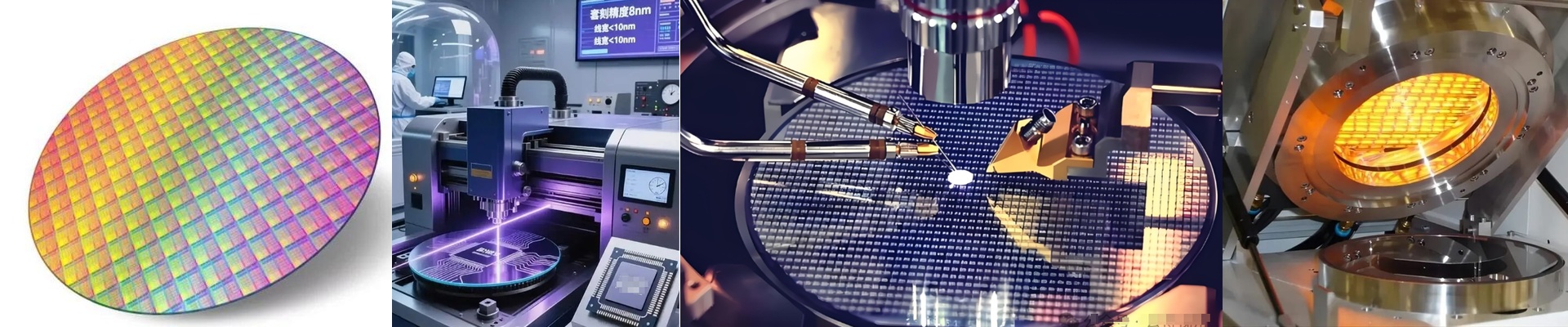
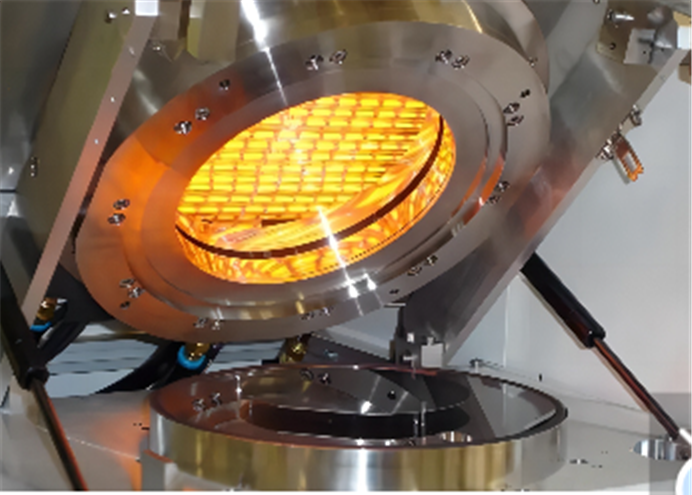
We decided to stop messing around with the air and go straight to the source. That’s where ozone-free infrared (IR) lamps come in. Instead of warming up a medium, IR uses electromagnetic radiation. It hits the target directly. No “warm-up” phase, no idling. You just turn it on, and it’s hot.Instantly. When you stop trying to heat a whole volume of air and just focus on the surface of the part, your cycle times plummet. Plus, your floor space opens up. You don’t need those giant, bulky insulated chambers anymore because you aren’t trying to trap hot air.
The Ozone Problem (and the Fix)
Here is the tricky part: standard shortwave IR usually spits out ozone (O3) because of UV emissions. If you’re working in a cleanroom, ozone is a nightmare. It eats away at delicate traces and ruins your photoresist. We fixed this by using specific quartz compositions and internal filters that block the UV spectrum below 200nm. You still get that intense heat density, but without the nasty chemical side effects. We’ve also tuned these lamps to keep the heat spread evenly across the wafer, so you don’t have to worry about the edges warping.
The Reality Check
Now, IR isn’t magic. It has its quirks. The biggest thing to remember is that IR is directional. Hot air wraps around a part, but IR only heats what it can “see.” If your part has deep recesses or a weird 3D shape, you’re going to hit some cold spots. To get around that, you’ll probably need to set up a few different lamp arrays or use reflectors to bounce the heat into those tight gaps. And a word of caution: because the energy hits so hard and so fast, you have to be careful with your PID controllers. If you aren’t precise with the calibration, you can overshoot your target temperature and burn your substrate before you even realize what happened.