

Cutting Carbon in Semi-Fab: Why IR Heating Actually Works
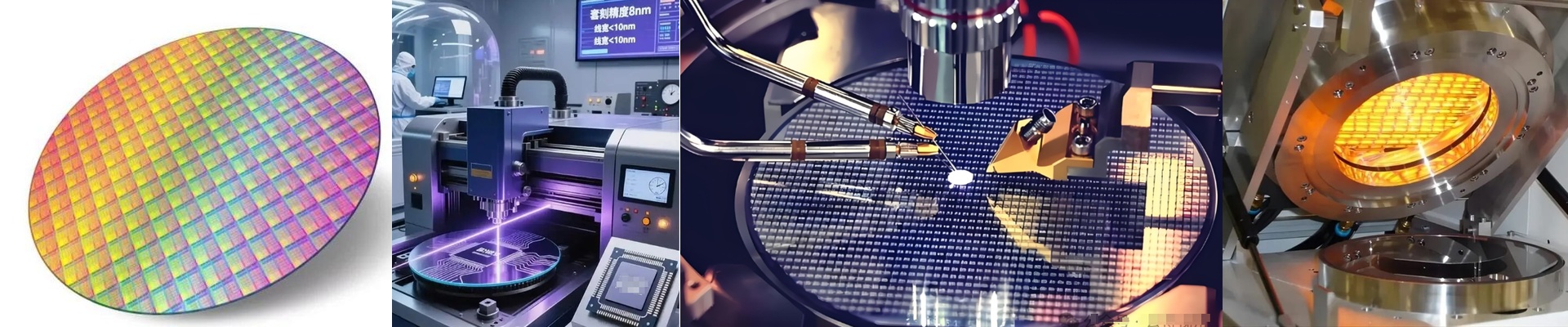
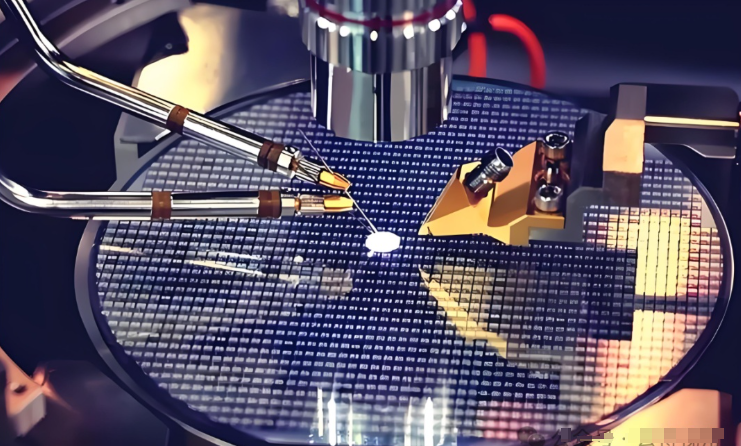
Making semiconductors is all about heat, but the old way of doing it is—to put it bluntly—wasteful. Most traditional resistive heaters just blast the entire chamber, heating up everything in sight just to get the wafer to the right temperature. It’s like heating your whole house just to warm up a single cup of coffee. That’s where vacuum infrared (IR) heaters come in. Instead of warming the air, IR sends energy straight to the wafer.
The Physics (Without the Textbook Bore)
Since we’re working in a vacuum, you can’t rely on air to move heat around. You’re left with conduction and radiation. We’ve tuned our IR lamps to hit the exact wavelengths that silicon and gallium nitride actually “want” to absorb. The result? The wafer heats up incredibly fast. When you cut down those ramp-up times, you stop burning through kilowatt-hours for no reason. It’s just more efficient.
Making the “Green Factory” a Reality
We hear a lot about “Green Initiatives,” but usually, that’s just corporate speak. In the real world, it’s about stopping energy leaks. Old-school furnaces are like giant batteries that stay hot for hours, even when they aren’t doing anything. IR lamps are different. They snap on and off almost instantly. No more idling. No more wasting power just to keep a baseline temperature. Now, a quick word of caution: we use high-purity quartz envelopes to keep things clean, but you can’t just crank the power to eleven. If you push too many watts into a tiny space, you’ll get “hot spots” or thermal stress on the wafer. You’ve got to dial in your PID controllers so you don’t overshoot the mark.
The Trade-offs
If you swap out your legacy heaters for IR arrays, you’ll notice you have more room to breathe. You get more throughput without needing to expand your floor space. But here’s the catch: the power supply. IR systems need high-frequency switching power supplies to stay steady. If your electrical grid is a bit dated, you might run into some signal noise. It’s a pain, but a bit of dedicated filtering usually fixes it. Once you’ve got the wiring sorted, the energy savings are real. You’re not just hitting a KPI—you’re actually shrinking the carbon footprint of your entire line.