Stop Lamp Blowouts from Killing Your Wafers
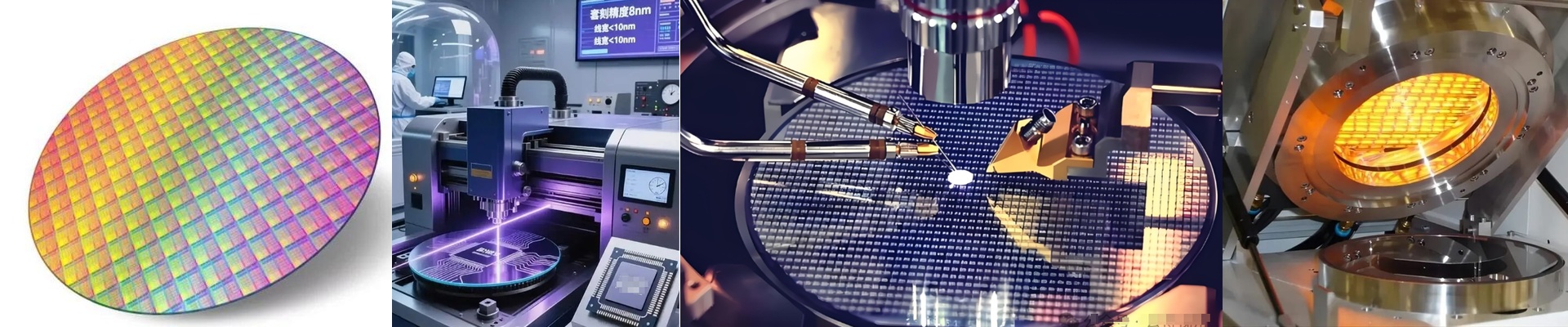
When a lamp blows during wafer curing, you’ve got more than just a downtime problem. You’ve got a nightmare on your hands. Imagine a quartz tube bursting under a heavy load. Suddenly, you’ve got glass shards and halogen gas raining down right onto your silicon. It’s a mess. That’s exactly why we design our reflectors to be more than just shiny pieces of metal—they’re your first line of defense. Keeping the mess contained We use a “deep-dish” shape for our reflectors that basically wraps around the lamp. It’s not just about bouncing light in the right direction. If a tube fails, the housing catches the bulk of the debris. By keeping the heating element separated from the wafer, the particulates stay trapped inside the assembly. They don’t end up scattered across your entire production line. Working smarter, not hotter Pushing quartz tubes to the limit in a high-load environment is a recipe for disaster. To fight this, we use high-purity aluminum or gold coatings to get the most out of every bit of IR reflection. Here’s the trick: because the reflection is so efficient, you can run your lamps at lower temperatures and still get the same heat on the wafer. Less heat means less internal pressure on the glass. And less pressure means your tubes don’t burn out nearly as fast. The trade-offs you should know about Nothing is perfect. A deeper reflector gives you better containment and tighter heat focus, but it takes up more room. You’ll want to double-check your machine’s clearance before you dive in. Plus, while these reflectors are great at blocking debris, they can trap heat around the ends of the lamp. Make sure your cooling fans are actually pulling air through the housing, or you might find your sockets melting. We build these things to survive the grind of a 24/7 fab. If you’re swapping these into an old rig, just make sure your wattage matches the thermal rating of the reflector. You don’t want to warp the housing on day one.