

Stop Waiting on Hot Air: Why IR Heating is a No-Brainer for Your Fab Line
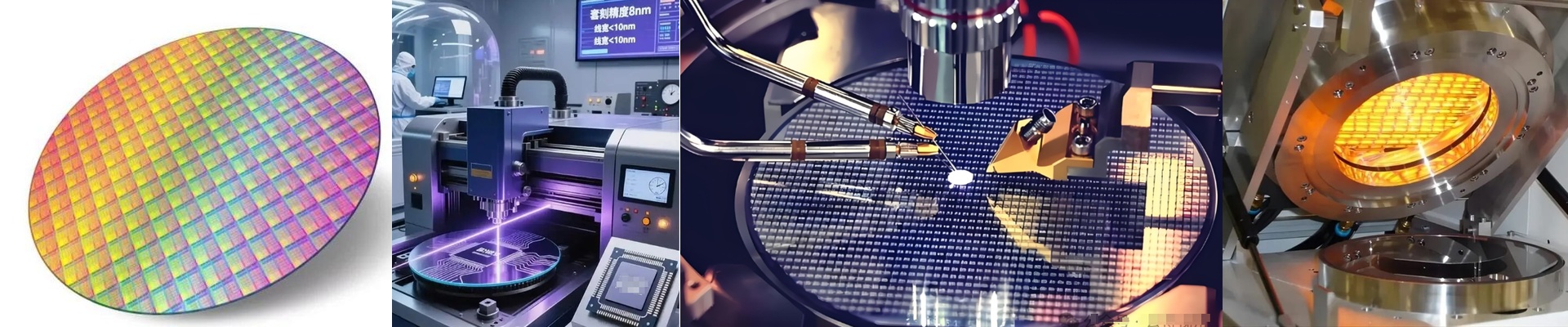
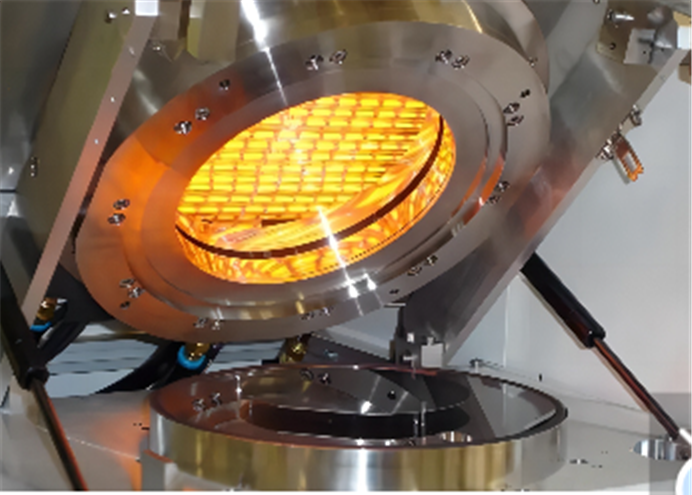
Most older semiconductor lines are still stuck using forced hot air. It’s a slow process: you blow air around, heat up the whole chamber, and then just… wait. You’re basically waiting for the wafer to warm up through convection, which creates a massive lag in your production. We do things differently. We swap those air blowers for high-intensity infrared (IR) lamps tucked behind precision quartz glass shields.
The real cost of waiting
Hot air is sluggish. The air surrounding your part actually acts like a blanket, insulating it and slowing everything down. IR doesn’t care about the air. The photons fly straight from the filament to the target. It’s instant. Think about it: if you can take a 10-minute warm-up cycle and shrink it down to 30 seconds per batch, that bottleneck in your throughput just disappears.That’s a lot of found time.
The secret is in the quartz
You might wonder why we bother with quartz glass shields. Well, standard glass would just melt or crack the second these lamps hit full power. Quartz is a different beast. It handles the heat without flinching and lets the shortwave IR radiation pass right through. Plus, it keeps the lamp filament safe from all the chemical gunk floating around the processing chamber. And here is the best part: if the shield gets dirty from process byproducts, you just swap out the quartz tube. You don’t have to spend hours rewiring the whole lamp assembly.
A few things to watch out for
Now, this isn’t a “plug and play” situation. Because IR heating is so concentrated, it puts a lot more stress on your cooling manifolds. You can’t just toss these lamps into an old air-convection chassis and hope for the best. You’ll need to check your heat sinks. If they can’t handle the radiant load on the chamber walls, you’re looking at warped jigs. But once you get the wiring and cooling dialed in? You stop wasting energy heating the air and start putting that heat exactly where it belongs: on the part.