
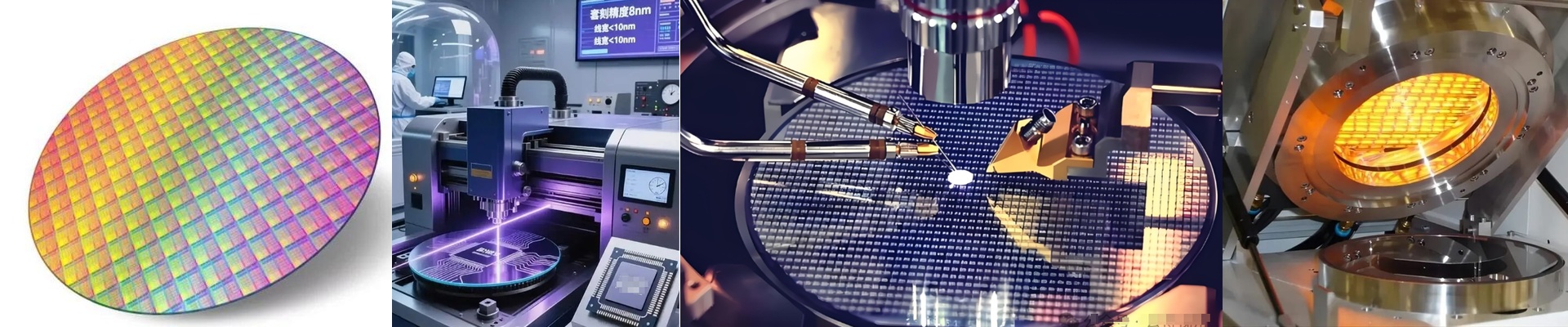
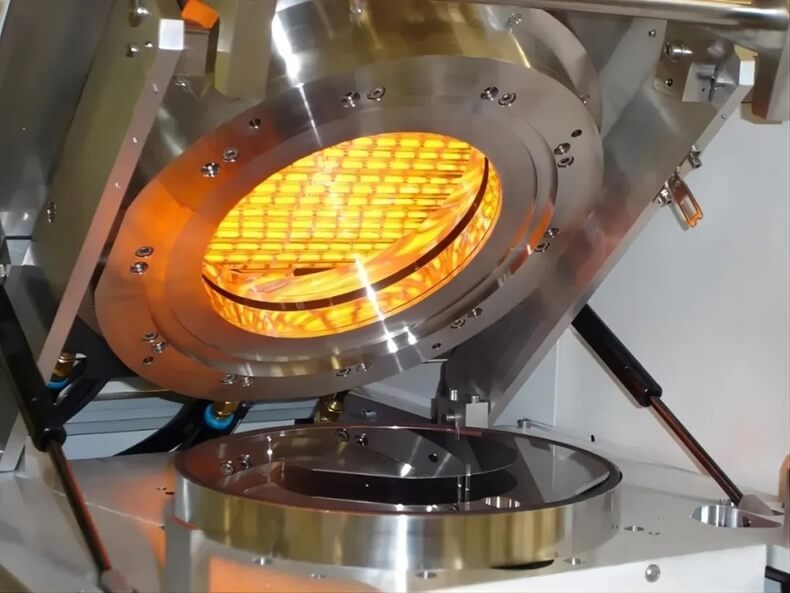
Drying MEMS sensor wafers after a chemical clean is a nerve-wracking process. Why? Because you’re basically playing with fire. When you’ve got flammable or explosive chemical vapors hanging in the air, a standard infrared (IR) lamp isn’t just a tool—it’s a liability. One tiny spark or a single hot spot on an exposed terminal, and you’ve got a flash fire on your hands. It’s a nightmare scenario that keeps plant managers up at night. Stopping the spark We decided to stop relying on open-air lamp setups. Instead, we tucked the quartz tube inside a sealed, chemically resistant sleeve. Think of it as a protective cocoon. It keeps the electrical contacts completely isolated from the air around them. This means those volatile organic compounds (VOCs) can’t even get close to the energized pins. Now, usually, the seals are where things fall apart. They crack, they leak, they fail. To fix that, we use high-temperature fluoroelastomer gaskets. They can handle the constant heating and cooling without degrading. We also spec them for specific pressure differentials, because if the seal goes, the vapor gets in. And we can’t have that. The heat balance We stick with shortwave IR. It hits the wafer surface fast, which means the wafer spends way less time in that “danger zone.” We’ve dialed in the wattage so the liquids evaporate quickly, but the substrate doesn’t overheat. But there’s a catch. Since the lamp is sealed, the heat doesn’t just drift away into the air like it does with an open lamp. It stays trapped inside. That means the lamp runs hotter. You’ve got to get your cooling manifolds and airflow exactly right, otherwise, you’ll end up with bowing quartz or seals that literally bake themselves to death. Making it fit The best part? These are designed as drop-in replacements for your existing drying modules. Because the heat source is isolated, you don’t have to build some massive, clunky explosion-proof box around your entire machine. Your footprint stays small, your shop floor stays clear, and you can actually breathe a little easier knowing the equipment won’t blow up.