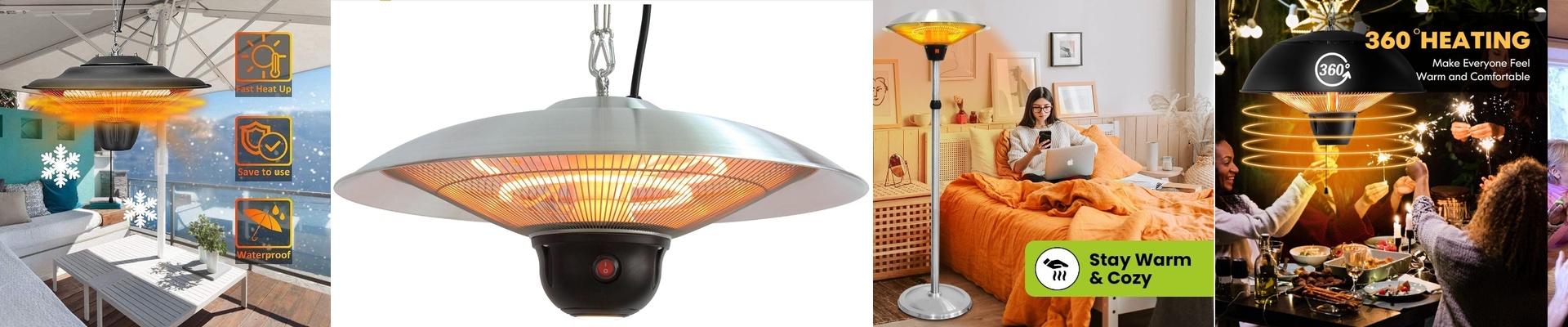
Aluminum Reflector IR Lamps: Pinpoint Heat, Zero Waste
We built these aluminum reflector IR lamps for one reason: to put heat exactly where you need it, and nowhere else. In semiconductor and precision manufacturing, stray heat isn’t just wasteful—it can overheat enclosures, stress expensive parts, and create real safety headaches.
Power, Voltage, and Shape—Tailored to the Job
Directional heating starts with matching the electrical and physical details to the space you’re heating. These lamps are compact tubes—about 300mm long—so you can concentrate heat in a small zone without trying to warm up the whole chamber. They’re designed for high voltage, typically 400V, which keeps them steady in industrial control settings where voltage can be more consistent than a standard line. Wattage is sized for high heat density, so you get fast warm-up and reliable temperature control during cycle-critical steps. This is focused output—intense, on-demand heat, right where you want it.
The Reflector Isn’t Just Shiny—It’s Smart
The aluminum reflector isn’t just a pretty shell. It’s coated to stay highly reflective in the IR spectrum, so more radiant energy goes forward instead of spilling sideways. That coating keeps the beam tight, which means less heat bleeds onto nearby walls, sensors, and places operators actually touch. For installation, we use tough connectors like R7s and SK15. They’re chosen for solid contact, consistent alignment, and quick replacement on the shop floor. Wire it once, and the lamp seats right every time—less downtime when maintenance rolls around.
Heat Where You Need It, Less Where You Don’t
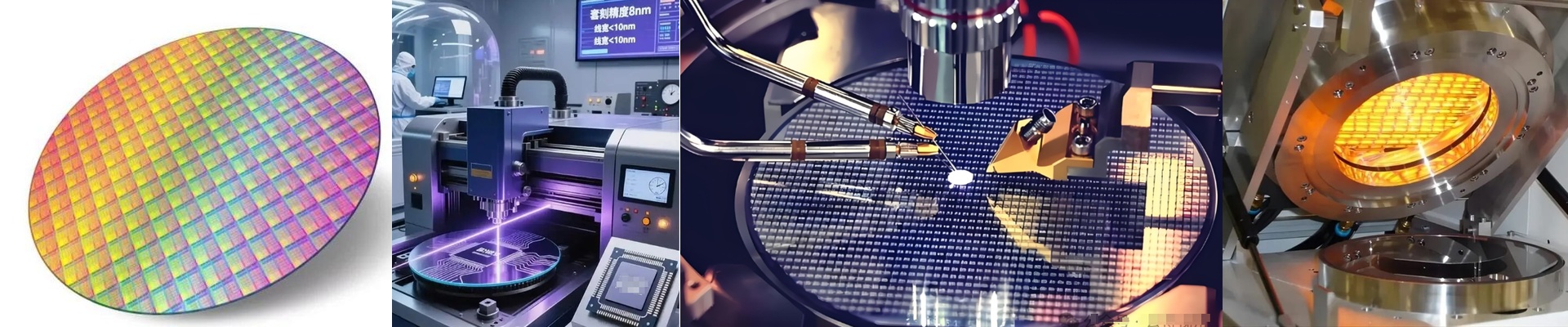
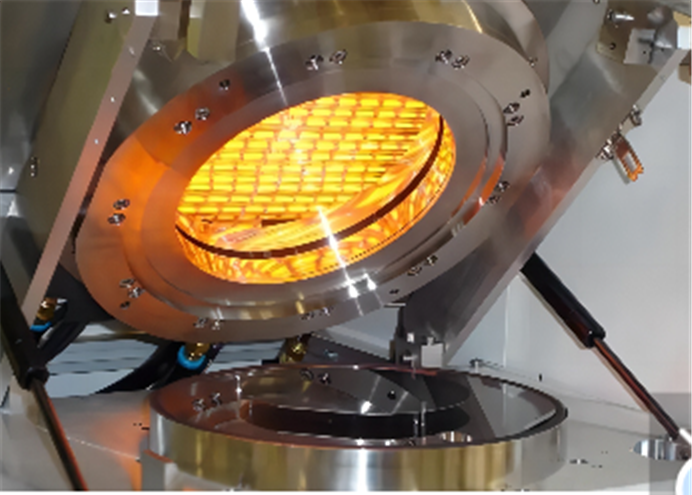
In semiconductor equipment, the problem is often not “not enough heat,” but heat showing up in the wrong place. These aluminum reflector IR lamps fix that by delivering a directed heat pattern that hits the process zone while keeping internal enclosure surfaces from getting unnecessarily hot. That means fewer hot inner walls, better operator safety, and gentler treatment of sensitive electronics. One thing to keep in mind: high heat density needs proper machine cooling and thermal management. Plan your airflow and heat sinking accordingly.