
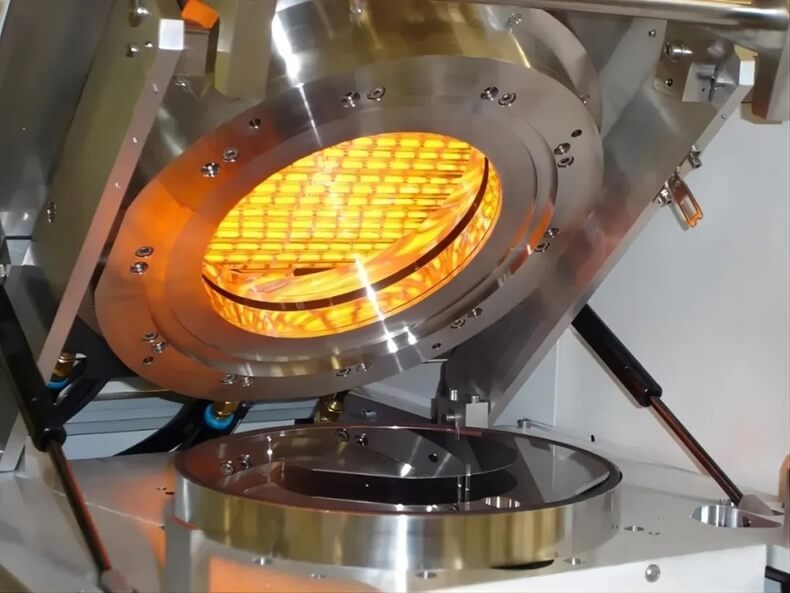
Why we’re ditching forced air for IR in the cleanroom
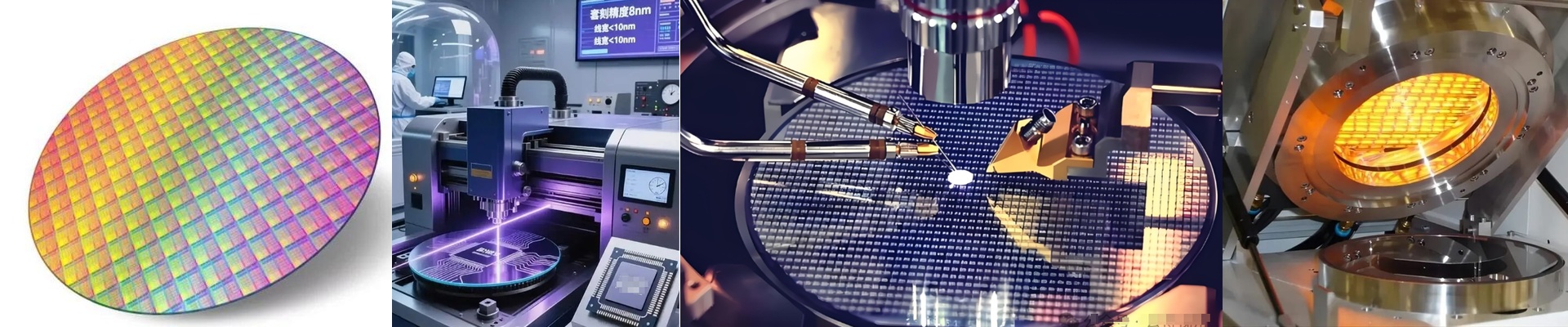
Most semiconductor lines still lean on forced air convection ovens. It’s the old way: you heat the air, and then you hope that air heats the part. The problem? It takes forever. There’s this massive lag time that just eats your day. Plus, in a cleanroom, moving huge volumes of air is basically like inviting dust to a party. The more air you push around, the more particles you risk landing on your silicon. That’s why we’ve moved to infrared (IR) heaters. We just skip the air entirely. The cost of waiting Forced air is slow. You have to wait for the whole oven cavity to hit the right temperature, and then you wait again for that heat to actually soak into the substrate. It’s tedious. IR is different. It uses electromagnetic radiation to dump energy directly into the workpiece. You don’t wait for the air to warm up because the air doesn’t matter. We see the biggest wins during curing and degassing. An IR setup can slash your ramp-up times by 60% to 80%. For a fab manager, that’s a huge win. You’re pushing more wafers through every hour without having to build a bigger room. It isn’t magic (there are trade-offs) Now, IR isn’t a perfect fix for everything. Since it hits the surface first, you can run into “skinning.” That’s when the outside of your part cures while the core is still cold. To fix that, you have to get picky about your wavelength. Shortwave is great for raw speed, but if you need to get deeper into the material, you’ll want medium-wave. It all comes down to what your specific material actually absorbs. Then there’s the heat. IR gets intense. If you’re swapping these into an old oven, keep a close eye on your cooling manifolds. If your heat sinks aren’t sized right, those high-density IR arrays can actually bake your oven chassis. Making it work The good news is that switching is usually pretty straightforward. You pull out the blowers, rip out the old elements, and drop in the IR lamps. The immediate difference is the silence and the stillness. No more vibration. No more turbulence. Less air moving around means a much cleaner environment for your chips. You get your parts out the door faster, and your wafers stay cleaner. It’s just a better way to work.