Why Most Infrared Heaters Die Early (And How We Fixed It)
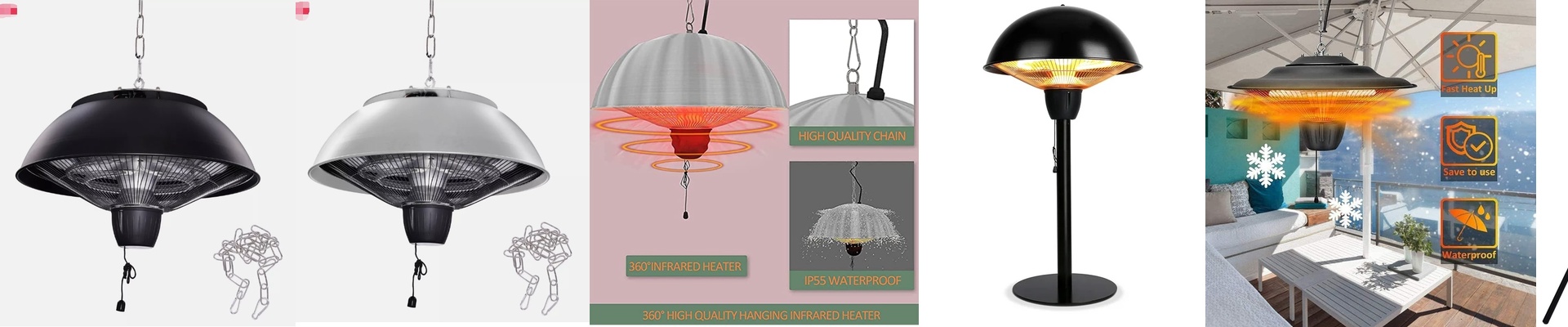
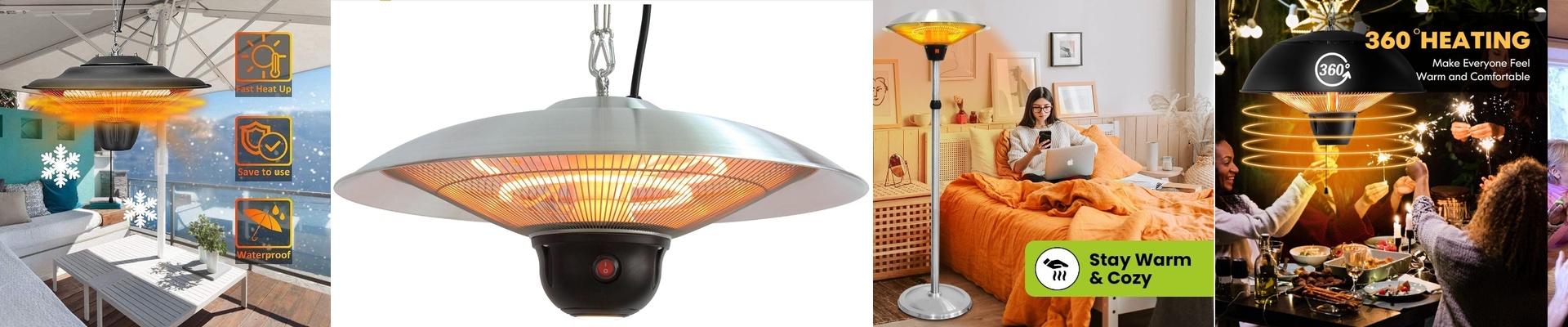
Let’s be honest: most infrared heaters aren’t built for the real world. They work great in a dry lab, but the second you put them in a humid shop or a wet environment, things go south. Water sneaks in, condensation builds up, and before you know it, you’ve got a short circuit or a rusted-out heating element. It’s frustrating, and it’s expensive. That’s why we focused on IPX4 splash-proofing and anti-fogging.
Dealing with the Splash
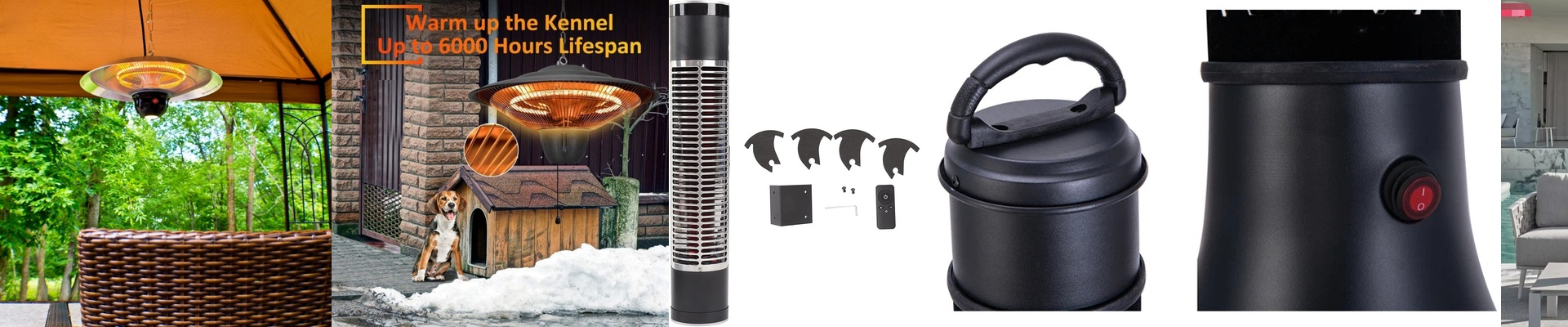
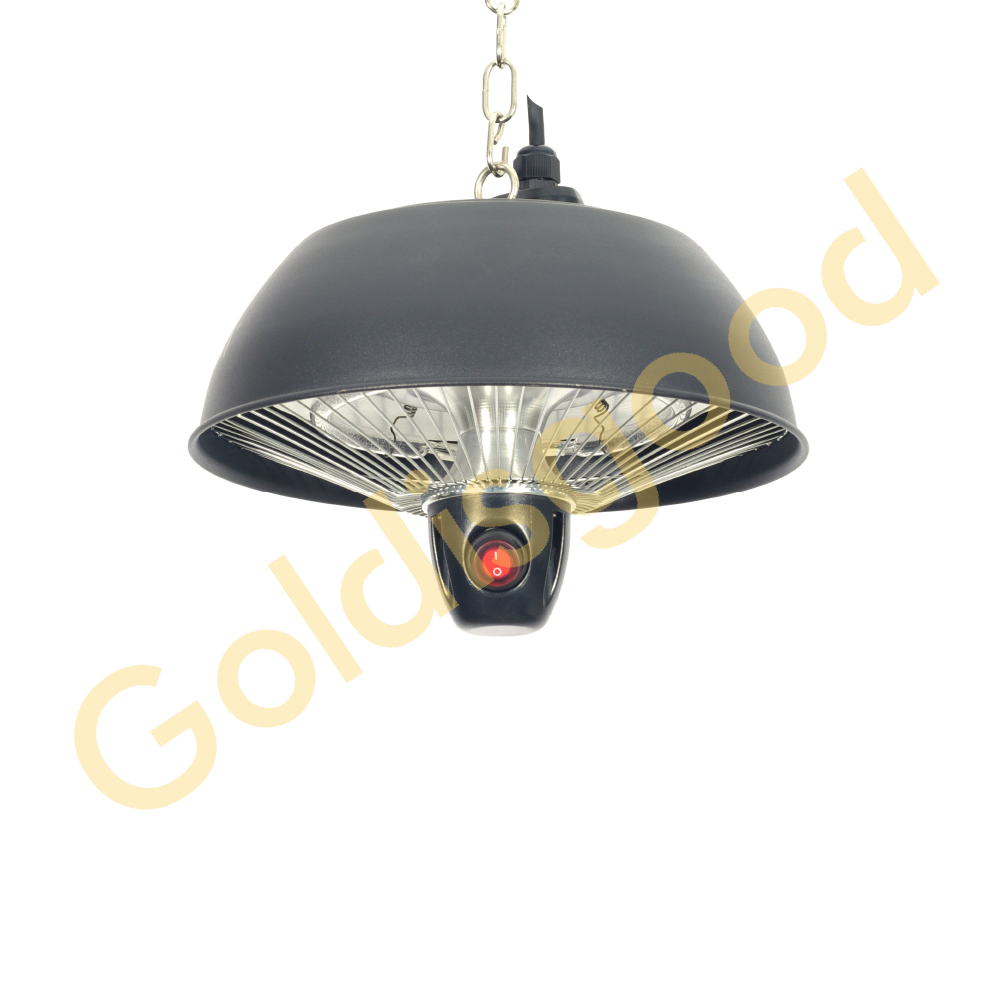
When we talk about an IPX4 rating, we’re basically saying the unit can handle water splashing at it from any angle without dying. We did this by sealing the electrical junctions and using gaskets to keep moisture away from the guts of the machine. Think about a shop floor. You’ve got coolant mist in the air or the occasional accidental splash. Without this protection, that mist is basically a death sentence for your lamp. With it? You just keep working. Then there’s the fog. If you’ve ever turned on a cold heater in a humid room, you know that annoying layer of condensation that forms on the quartz tube. It doesn’t just look messy; it actually blocks the heat from getting where it needs to go. It puts a ton of stress on the glass. We tweaked the airflow and surface temperatures so that moisture clears out fast, leaving you with actual heat instead of a foggy tube.
Making the Hardware Last
Water is the absolute worst enemy of a heating filament. Here is what happens: a drop of water hits a scorching hot tube, causing a sudden, localized chill. This forces the heat to jump somewhere else in the filament, creating a “hot spot.” The wire expands and contracts, over and over, until—snap. By keeping the internals bone-dry, we stop that cycle. You get a steady, reliable heat output, and the core element stays safe even while the outer shell takes a beating from the environment.
One Small Catch
Now, there is a trade-off. Because we’ve added these seals to keep water out, the unit is more enclosed. This means heat can build up around the wiring terminals if you aren’t careful. If you’re building a custom jig,**give the units some breathing room.**Don’t pack them in too tight. If air can’t move, those terminal blocks might overheat, which defeats the whole purpose of the IPX4 rating. Just leave a little space, and you’re golden.