

Keeping Your Glovebox Actually Clean: The Truth About Heating
Most heating elements are a nightmare for cleanrooms. They flake, they shed tiny particles, or they leak weird gases (VOCs) into the air. If you’re working in a Class 100 environment or an inert gas glovebox, that’s a disaster. One tiny speck of dust and your whole batch is toast. That’s why we stick with high-purity synthetic quartz IR lamps.
Why the quartz matters
We use fused silica because it doesn’t have those metallic impurities that cause cheap glass to scale or flake off. When these lamps heat up, nothing comes off them. Nothing. The quartz envelope works like a tight seal, keeping the tungsten filament completely tucked away from the atmosphere. You get the heat you need, but you aren’t pumping contaminants into your process chamber. It’s clean, simple, and it just works.
Getting the heat where you need it
Space is usually tight in a glovebox. Our IR elements are designed to fit into those small footprints. Since we pack the wattage into a narrow tube, you get a high heat density. This is great because you can target a specific zone without turning your entire enclosure into an oven. But a quick heads-up on the power: you’ve got to be precise with your voltage and wattage. It’s tempting to over-drive the lamp to get it hot faster, but that’s a shortcut to a dead filament. We always suggest a stepped power-up sequence. It saves the quartz from thermal shock and keeps your gear running longer.
Setting it up (without breaking things)
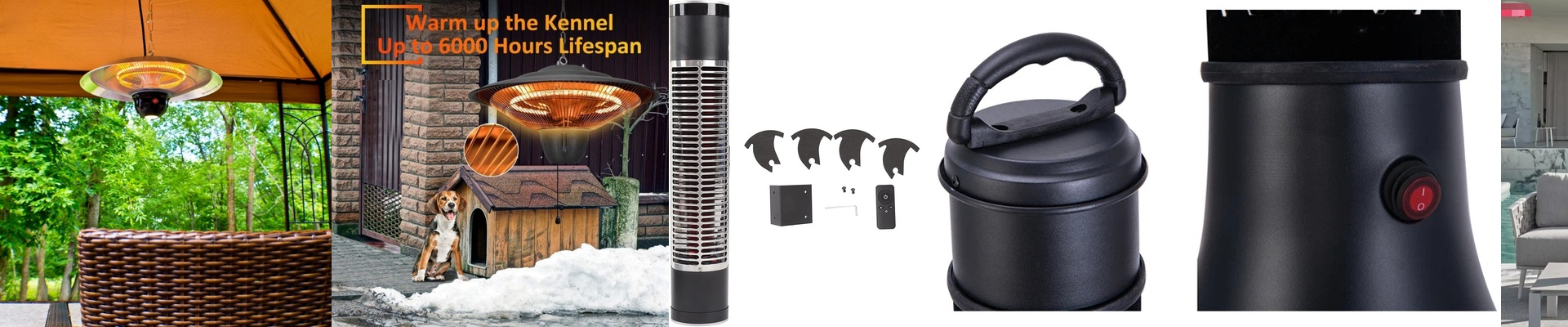
We use standard connectors so the electrical contact is solid. You don’t want a loose connection here. A loose terminal creates a hot spot, and that’s how you end up melting your cables or ruining your glovebox seals. The good news? These are basically drop-in replacements for most industrial IR setups. Just remember: high-purity quartz is chemically tough, but physically? It’s fragile. One clumsy move during install and you’ve got a cracked tube. And please, use handling tools. If you touch the quartz with your bare hands, the oils from your skin burn off during use. That creates little “hot spots” of stress on the glass, which is a recipe for a crack. Keep it clean, and it’ll last.