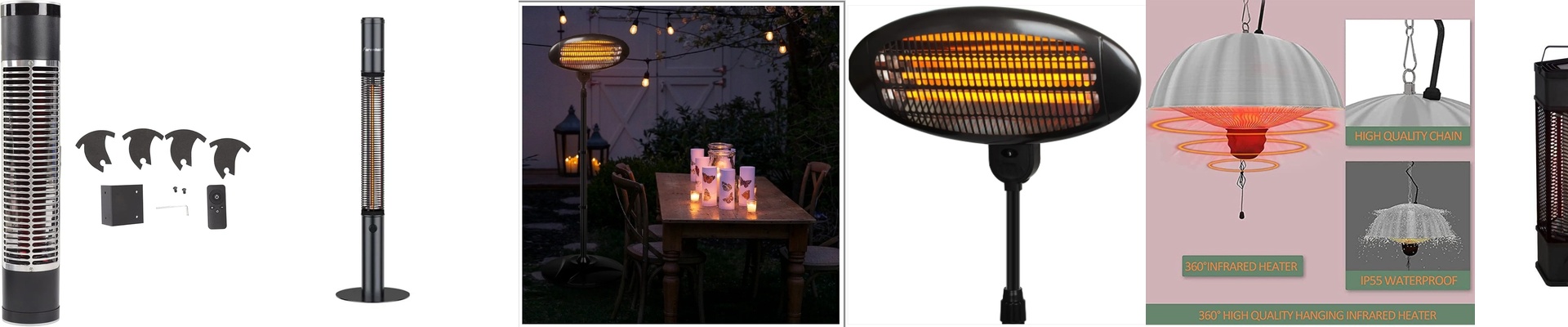
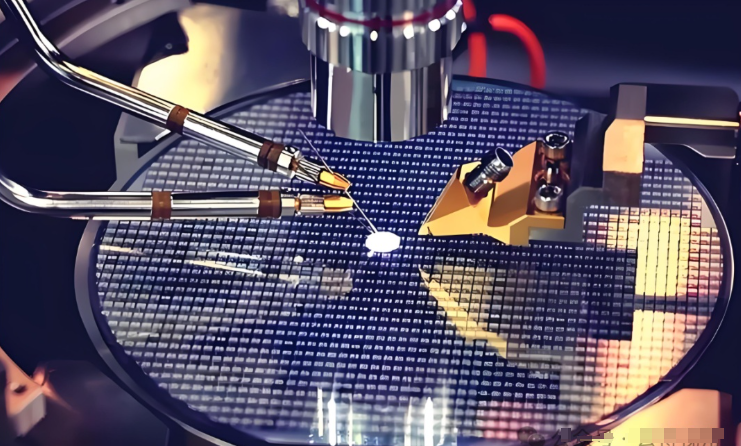
On an LCD fab floor, thermal drift doesn’t show up with a neon sign. It just quietly eats overlay margin, tightens the screws on CD uniformity, and shoves photoresist profiles off target. When the bake step can’t hold setpoint across the glass, you pay for it in scrapped substrates and yields that won’t sit still.
What matters under the hood
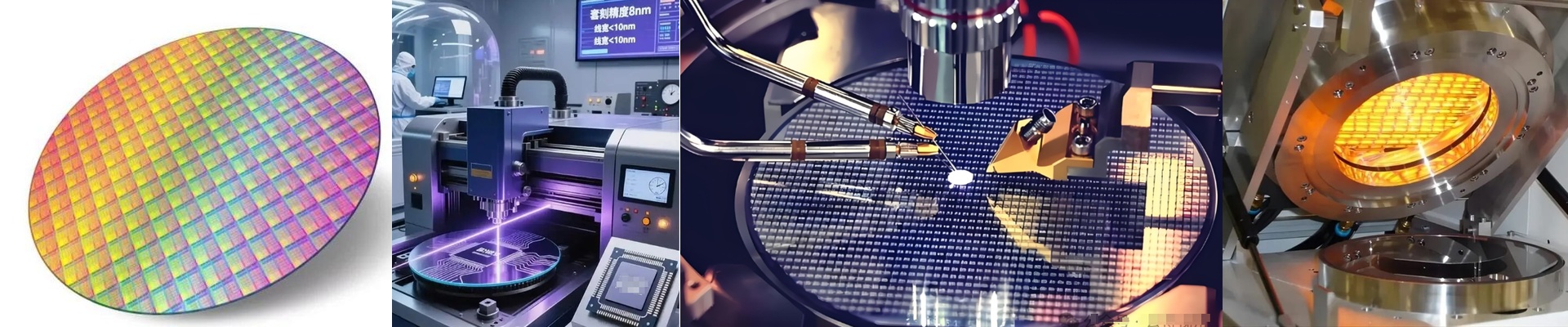
We built the infrared heater around short-wave quartz emitters. Direct energy transfer, fast thermal response—no extra steps, no lag. Across the active zone, wafer-level uniformity lands within ±0.1°C, and repeatability tracks right down to the millisecond. The system runs clean: zero particle generation, no outgassing, and it plays in Class 1–100 cleanrooms without drama. Temperature control is closed-loop, with high-resolution sensing and tight power regulation. That’s how you get the same thermal budget on every soft bake and hard bake, lot after lot.
Why this fits LCD panel fabrication
LCD substrates are big, thermally hungry, and unforgiving about gradients. Our infrared heater puts controlled, localized heat exactly where it’s needed, so thermal lag drops and you don’t dump extra heat into the surrounding modules. The payoff is straightforward: more consistent photoresist processing, fewer reworks, and critical-dimension control that stays put. Energy use falls because the emitter heats on demand and cools fast. Reliability is built for 24/7 operation, with downtime kept to the kind you can plan around.
The practical details you can’t skip
The heater integrates cleanly, but alignment to the substrate path and clearances is exacting. Leave room for radiant distribution and service access—don’t cut those corners. Confirm your machine interface and connector spec during integration, and schedule thermal mapping for your actual substrate sizes. Get the setup right, and you’ll see stable bake profiles and repeatable lithography performance from the first lot straight through the next.