
Making Smart Fab Drying Actually Work
If you’re building a Smart Fab for Industry 4.0, you probably already know that fancy software isn’t enough. You can have the best dashboard in the world, but if your hardware can’t actually “talk” to your data, you’re just guessing. When it comes to drying, that’s why we lean toward high-efficiency infrared (IR) systems. They give you the kind of precision and real-time control that makes a huge difference on the floor.
Getting a Pulse on Your Production
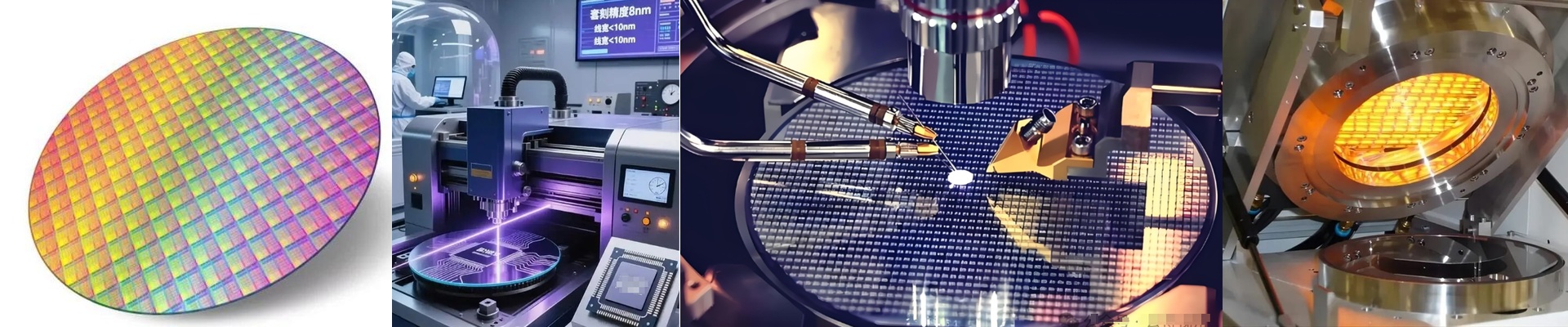
Think about old-school convection ovens. They’re slow. They have to heat the air, which then heats the part. It’s a clunky process. IR is different. It hits the product directly. Because of that, we can map the thermal profile of a wafer or panel in milliseconds. Once you plug these systems into your PLC or SCADA, it’s like giving your production line a digital heartbeat. You can see exactly how many joules are hitting every square centimeter. That’s how you actually move toward data-driven production—not just talking about it, but seeing it happen in real-time.
Saving Money on the Energy Bill
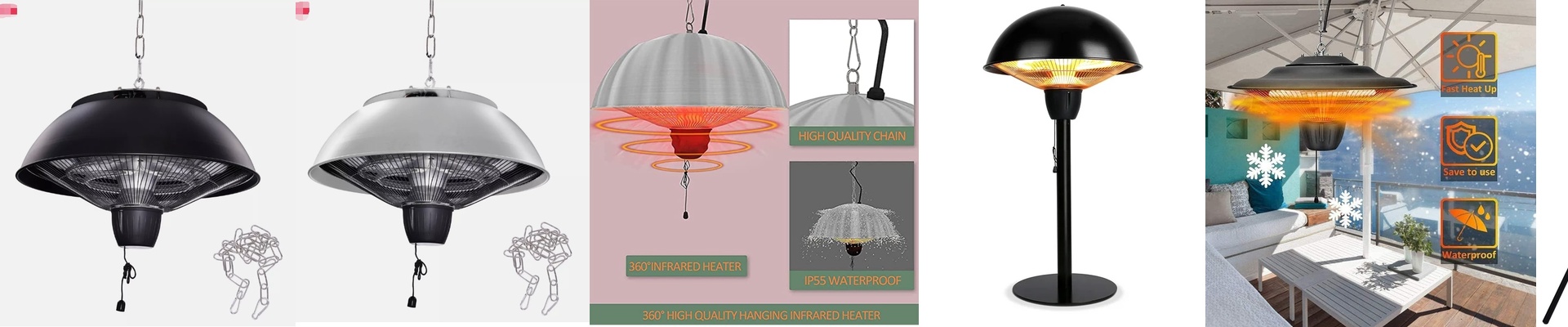
If you’ve ever run an energy audit in a fab, you know the biggest culprit is “idling heat.” It’s basically throwing money away by keeping a giant chamber hot while you wait for the next batch to arrive. IR lamps don’t do that. They snap on and off almost instantly. We pick short-wave or medium-wave emitters based on what your material actually absorbs. By tuning the wavelength to the substrate, you stop wasting electricity heating the air around the part. It’s leaner, faster, and a lot cheaper to run.
The Trade-off (Because Nothing Is Perfect)
Here’s the catch: fast response times come with a lot of heat. High-density IR arrays get intense. If your cooling manifolds aren’t up to the task, you’ll start seeing thermal drift in your sensors, or worse, your wiring will just fry. You have to be smart about balancing that emitter power with a rock-solid heat-sink design. It’s all about keeping the electronics cool while the product gets hot. Plus, we always look at the footprint. By shrinking the drying zone, you save precious floor space. And the best part? A smaller setup means your cleanroom HVAC doesn’t have to work nearly as hard to keep things stable.