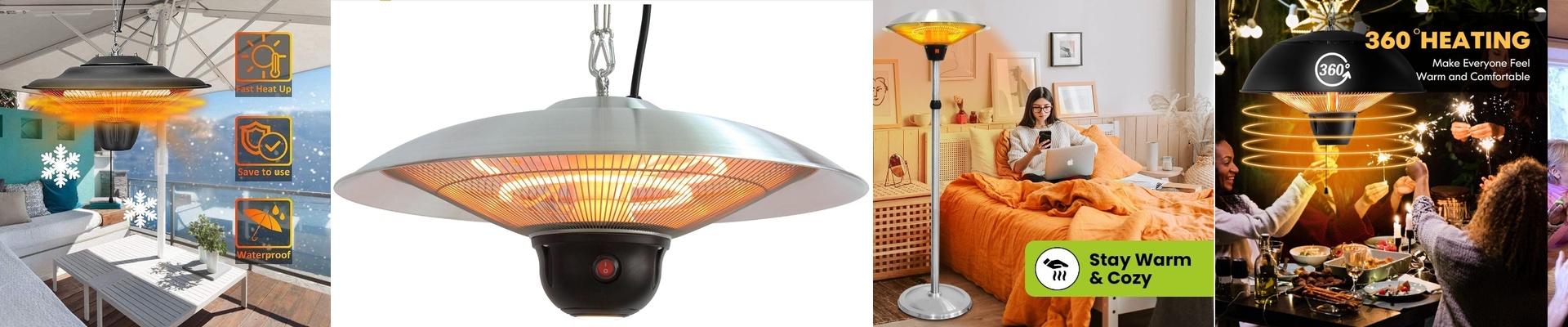
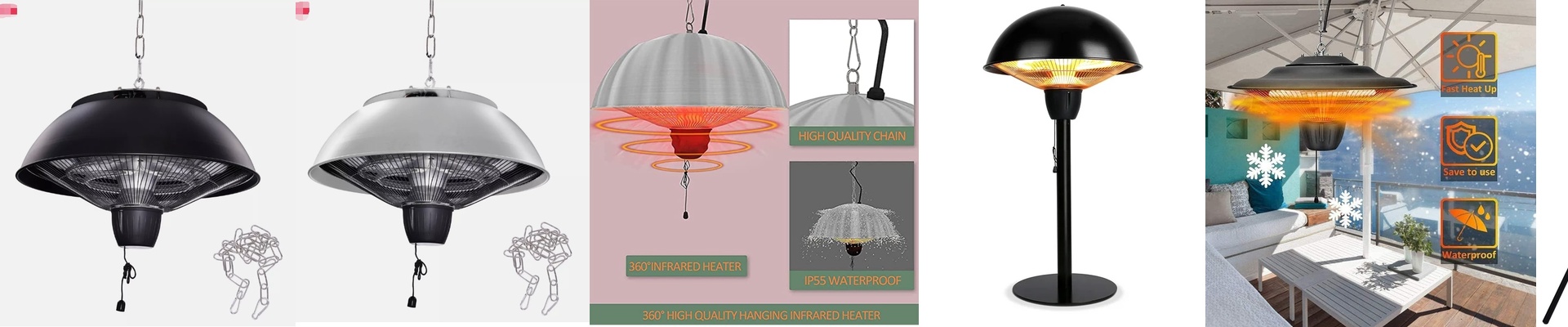
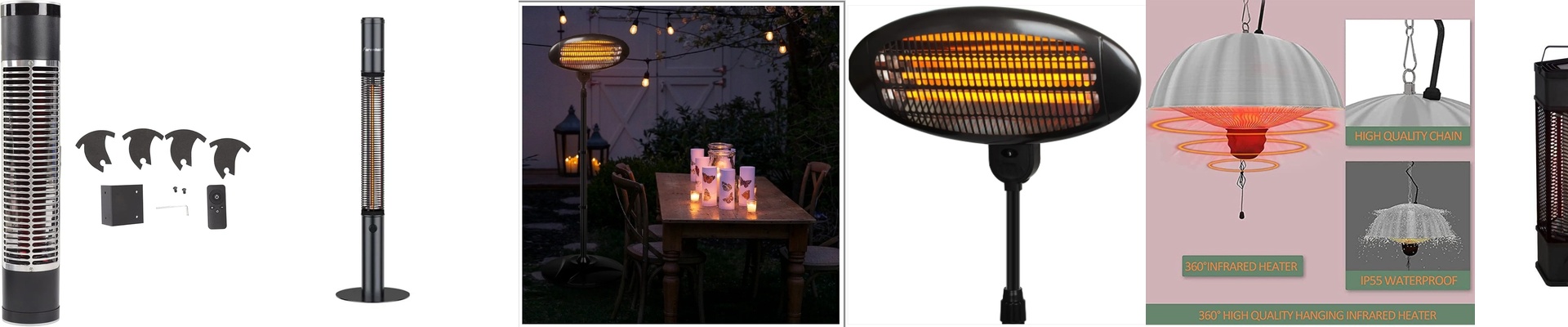
How to pick the right infrared heater for your bathroom
When you’re picking out a heater for the bathroom, you aren’t just dealing with a chilly room. You’re dealing with steam, splashes, and a lot of humidity. That’s why we build our lamps to IPX5 standards. In plain English? The housing and seals are tight enough to keep water jets from hitting the electrical guts. If you use something without that rating, it’ll probably short out or just rust away in a couple of seasons. Not a great look.
Getting the power right
There’s a temptation to just buy the most powerful unit available, but over-speccing is just wasting money. It’s all about the footprint of your room. If you’ve got a small powder room (under 4m²), a 250W to 400W shortwave lamp is plenty. These don’t bother trying to warm up all the air in the room—they just beam the heat directly onto your skin and the surfaces around you. It’s fast. For medium bathrooms (4m² to 8m²), you’ll want to step up to 600W or 800W. Anything less and the heat just vanishes into the air before you even feel it. Then you have the big master baths (over 8m²). For those, you’re looking at 1000W+ or maybe a few smaller units spread across the ceiling. I’d go with the multiple-unit approach. It stops those annoying “hot spots” and makes sure the corners of the room aren’t freezing.
A few things to keep in mind
Shortwave infrared is great because it’s instant. You flip the switch, and you feel the warmth immediately. But the second you turn it off, the heat is gone. Because of that, I really recommend pairing these with a timer or a smart sensor. You won’t have to think about it. One heads-up on the electrical side: high wattage means a heavier pull on your power. If you’re putting 1200W units into an old house, please check your breakers. Wiring three high-power lamps onto one thin line is a recipe for a tripped circuit.
Making it work during install
Mount your lamps at least 2.2 meters high. If they’re any lower, the heat feels too intense and gets uncomfortable. And please, double-check that those IPX5 seals are seated tight. A loose gasket is the difference between a cozy bathroom and a dangerous electrical hazard. Keep it tight, and you’re good to go.