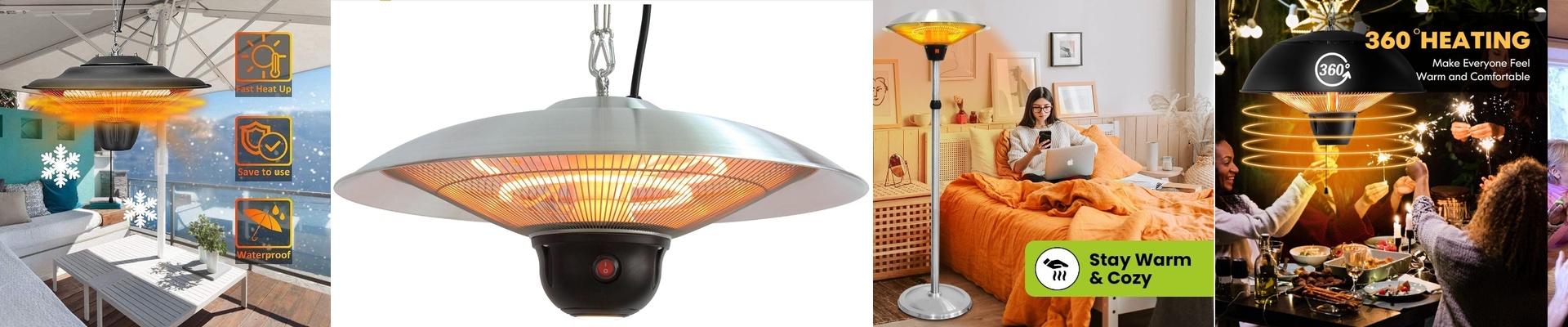

Why You Can’t Just Put Any Heater in Your Bathroom
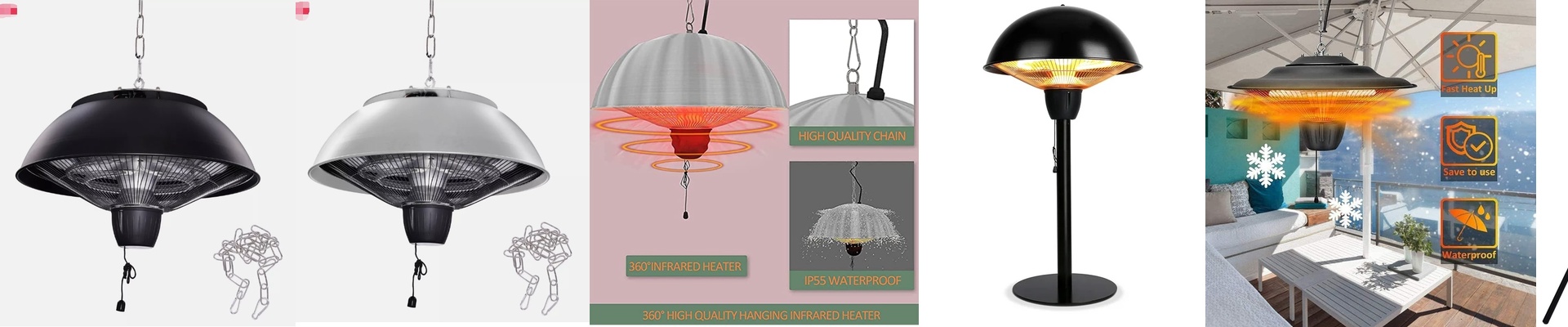
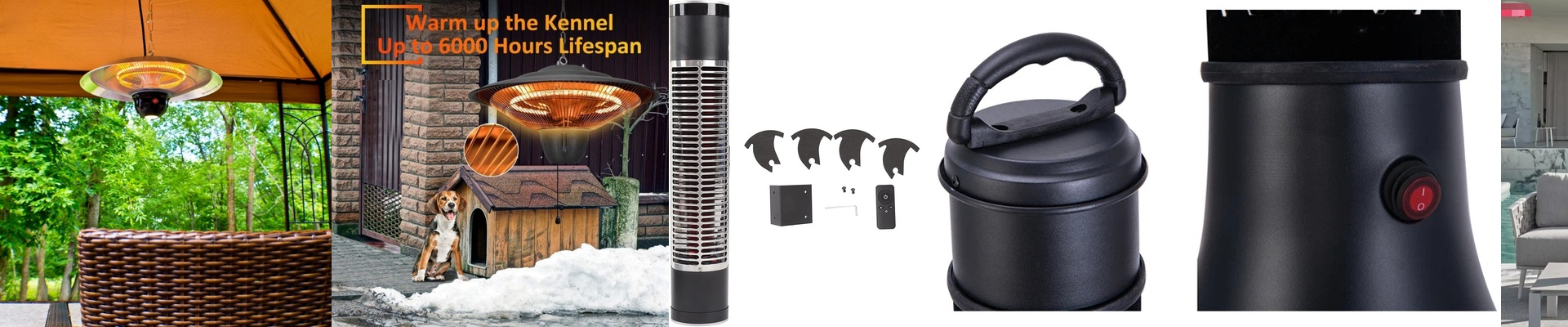
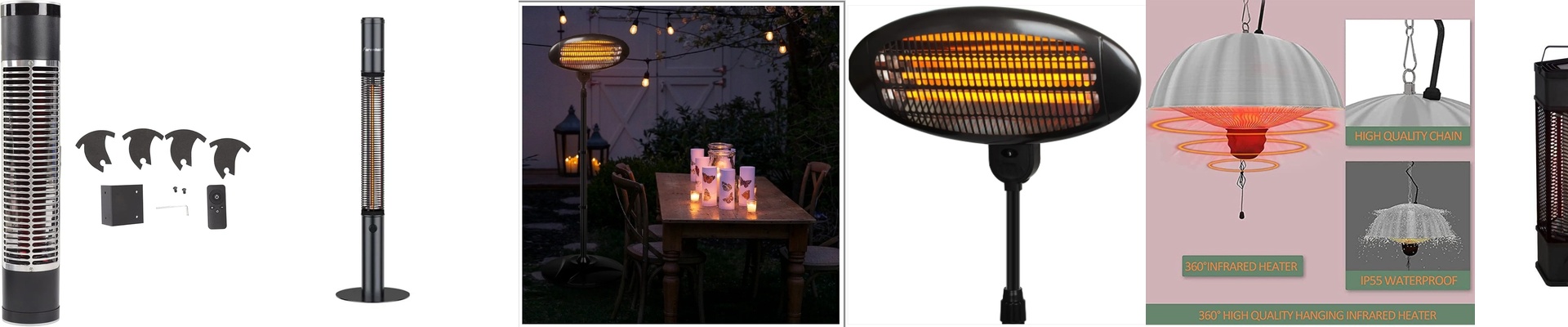
Let’s be honest: putting a high-heat element in a room full of steam and splashing water is a recipe for disaster. If you use a standard quartz tube, you’re basically asking for it to break. Here is why. When a cold drop of water hits a glowing hot tube, the glass goes through a massive temperature shock. It doesn’t just crack—it can shatter. That’s why we use explosion-proof quartz and IP65-rated housings. It’s the only way to make sure your morning shower doesn’t end with glass shards on the floor. The deal with “Explosion-Proof” glass Standard glass can’t handle the mood swings of a bathroom. One second it’s scorching, the next it’s getting hit by a cold spray. We treat our quartz to make it physically tougher. It’s engineered to take those hits without bursting. It gives you peace of mind, which is probably the most important part of a relaxing bath. Keeping the water out (and the heat flowing) You’ll see “IP65” on the box. All that really means is that we’ve sealed the chassis and the wiring so steam and water jets can’t sneak into the electrical parts. But there’s a catch. If you seal a heater too tightly, the heat gets trapped inside and fries the lamp. It’s a balancing act. We leave just enough breathing room for ventilation so the internals don’t burn out, while still keeping the wet stuff where it belongs. A few things to keep in mind for the install These heaters are great because they’re instant. You flip a switch and you’re warm. But they’re hungry for power. Make sure your circuit breakers can actually handle the load. If your wiring is too thin, you’ll get a voltage drop, and your heater will just feel lukewarm. Also, these reinforced tubes are a bit heavier than the cheap stuff. Use sturdy brackets so the whole thing doesn’t start sagging from your ceiling after a few months.