

Stop Wasting Watts in Your Fab
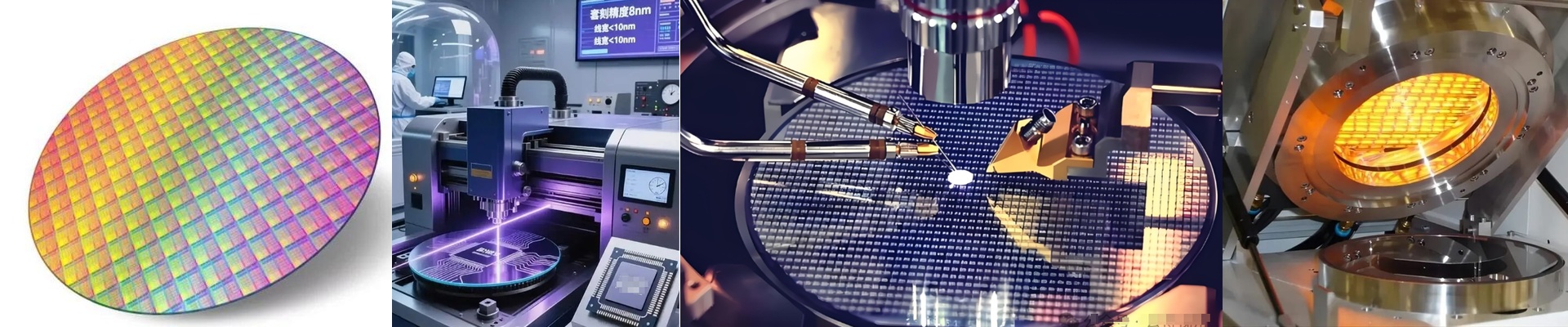
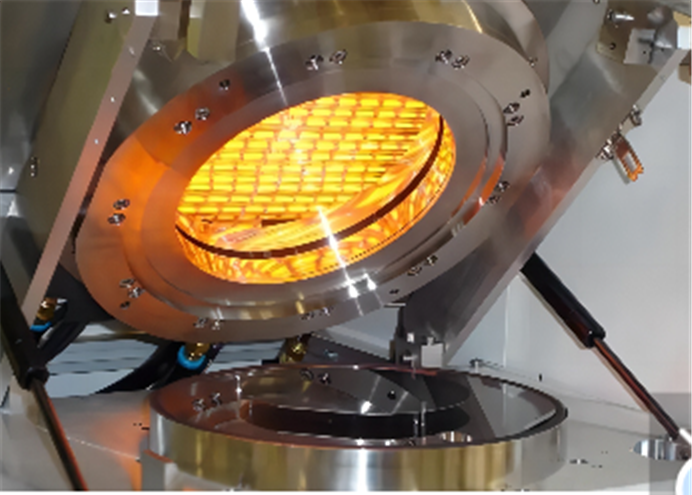
Let’s be honest: wasting energy in semiconductor fab isn’t just a cost issue. It’s a design flaw. When you’re heating wafers, you aren’t just looking for “hot.” You need those photons to actually hit the silicon. Too often, a huge chunk of that energy just leaks into the machine chassis, heating up the room instead of the product. That’s where gold-coated reflectors come in. They basically act like a mirror for heat, forcing the energy back where it belongs. Why bother with gold? Standard quartz lamps throw radiation everywhere. It’s messy. Most of that heat hits the internal housing and just… vanishes into waste. By using a thin-film gold coating, we change how the surface handles that energy. Gold is incredible at reflecting infrared radiation—way better than aluminum or polished steel. It takes a broad, scattered heat source and turns it into a focused beam. You get more punch, less waste. The trade-off (because there’s always one) When you concentrate energy like this, things get intense. You’ll hit your target temperatures much faster, which is great for your cycle times. But here’s the catch: all that focused energy puts more pressure on the lamp. If your cooling system is lagging or wasn’t built for this kind of thermal load, you’re looking at burnt-out filaments. Before you drop these into a high-density array, double-check your airflow. It’ll save you a headache later. Getting it running The good news is that these are drop-in replacements for your standard IR heaters. You plug them into your existing controllers and you’re mostly good to go. One thing to watch out for, though. Since the gold coating stops the machine from “soaking” in ambient heat, your thermal profile is going to shift. You might need to tweak your PID loops for a minute to make sure you don’t overshoot your temp. It’s a simple swap. And it stops you from paying for electricity that never even touches the wafer.