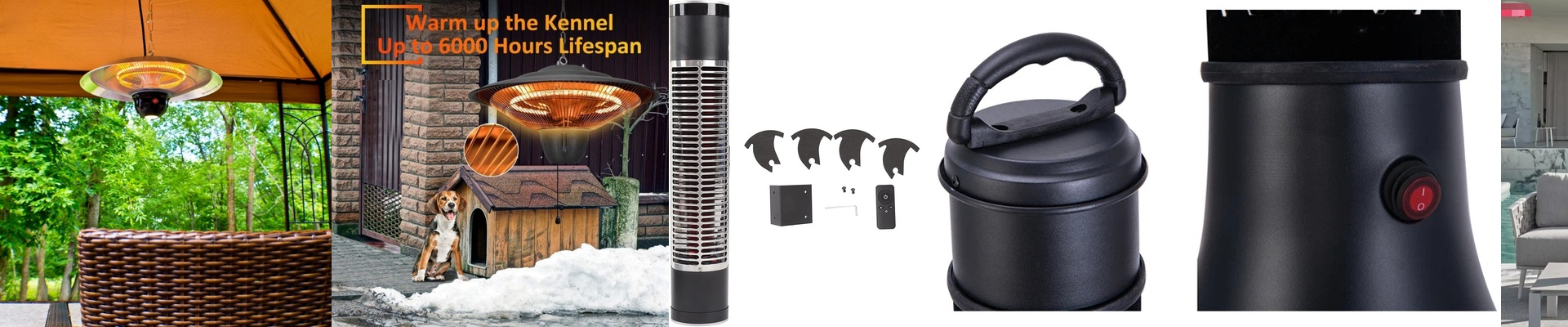

Stop Replacing Your Whole Heater Every Time a Tube Pops
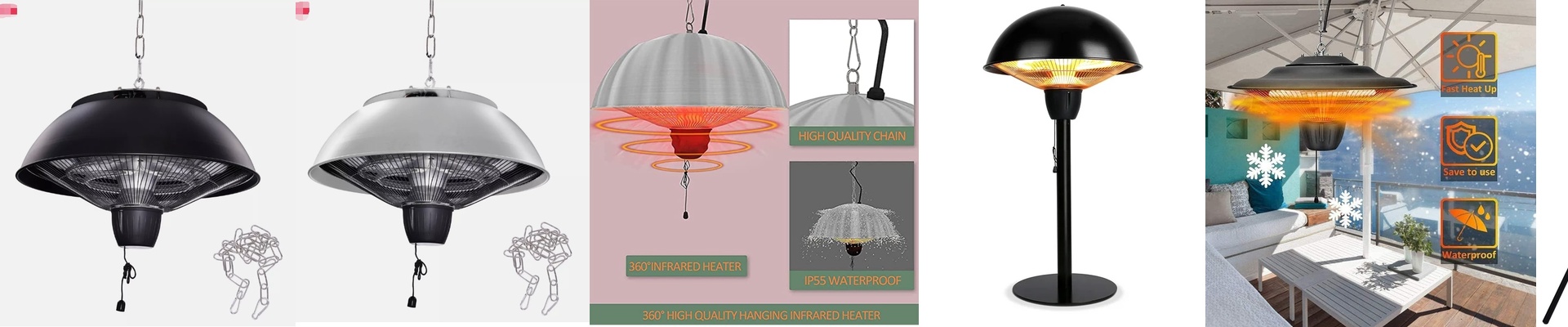
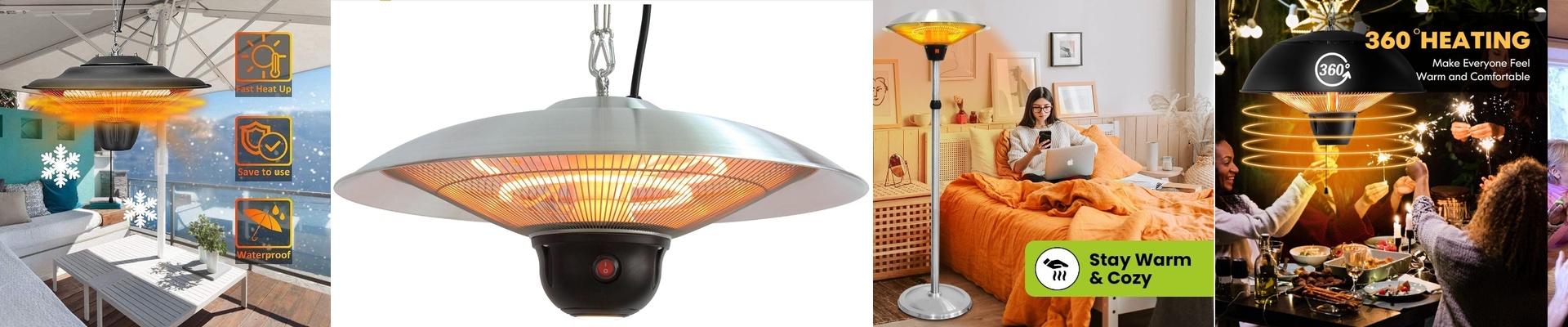
Let’s be real: outdoor patios are brutal on gear. Between the rain, the humidity, and those wild temperature swings, heating elements eventually give up. It’s just physics. If you’re running a commercial spot, you know exactly how it goes. One day a heater stops working, and suddenly you’re looking at a massive bill because you have to replace the entire unit just to fix one burnt-out tube. It’s a waste of money and a total headache. That’s why we did things differently with our infrared modules.
Why we went modular
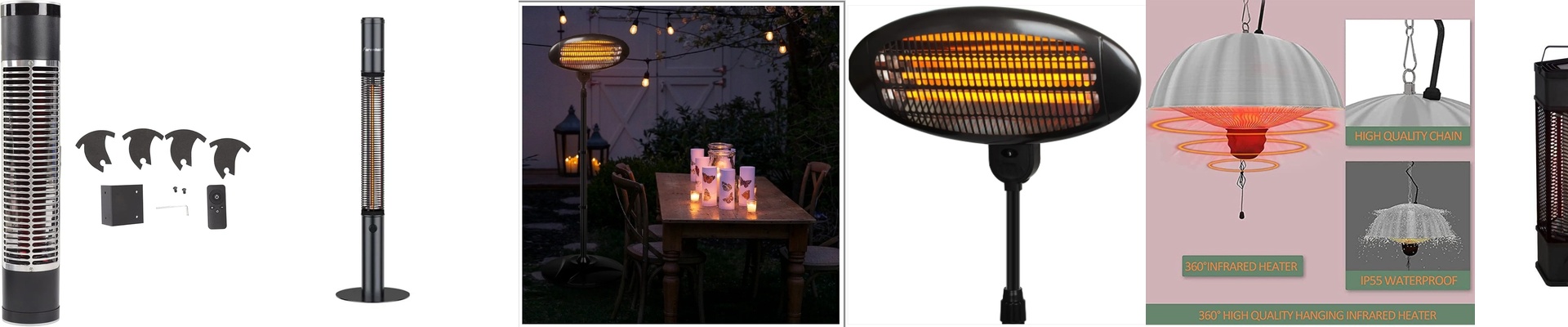
Most heaters are built like a sealed box. If one part breaks, the whole thing is basically scrap. We hated that. So, we decoupled the heating tubes from the chassis and the power supply. Now, if a tube dies after five years of heavy lifting, you don’t toss the heater in the trash. You just swap the module. We use standardized connectors, too. You can pull the old tube out and drop a new one in without having to mess around with the internal wiring. It turns a multi-hour repair job into something that takes a few minutes.
Dealing with the heat (and the rain)
Everyone talks about “waterproofing,” but that’s only half the battle. The real killer is thermal expansion. Think about it: these units go from a freezing rainy night to several hundred degrees in a matter of seconds. If the materials don’t move together, the seals crack. That’s usually where those “waterproof” heaters actually fail. We spent a lot of time picking materials that expand and contract at the same rate as the quartz tubes. It keeps the seals tight, no matter how hard you push the system.
The trade-off
Now, building things this way isn’t the “easy” route for us. It’s way simpler to just weld everything together and call it a day. Going modular means we have to deal with tighter tolerances, precise fasteners, and high-end gaskets. It makes the initial build a lot more complex on our end. But for the person actually running the business? It’s a lifesaver. Replacing one infrared tube is a quick, cheap fix. Replacing a whole integrated heater because of one broken filament is just madness. We build these to hit that 5-year mark and keep on going. Just swap the tube, double-check your connections, and you’re back in business.