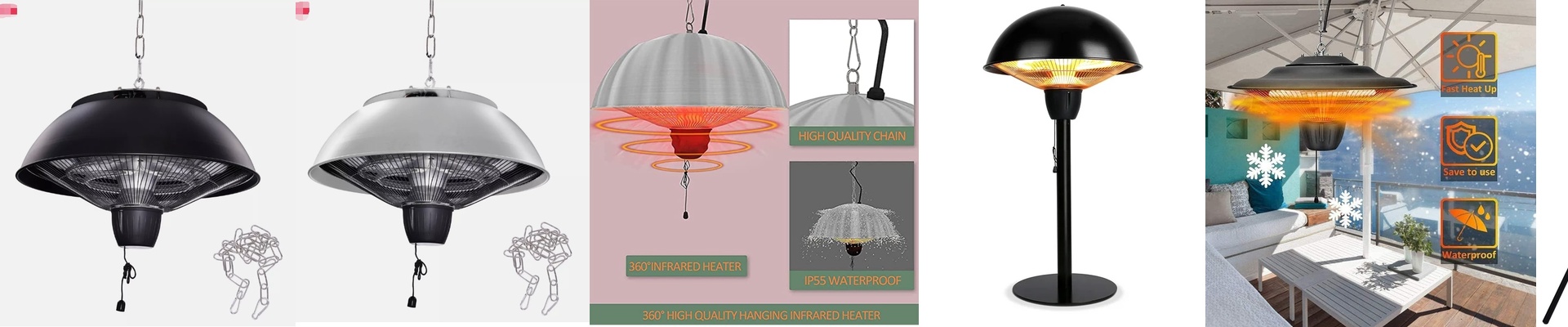
Keeping the Rain Out of Your Outdoor Heaters
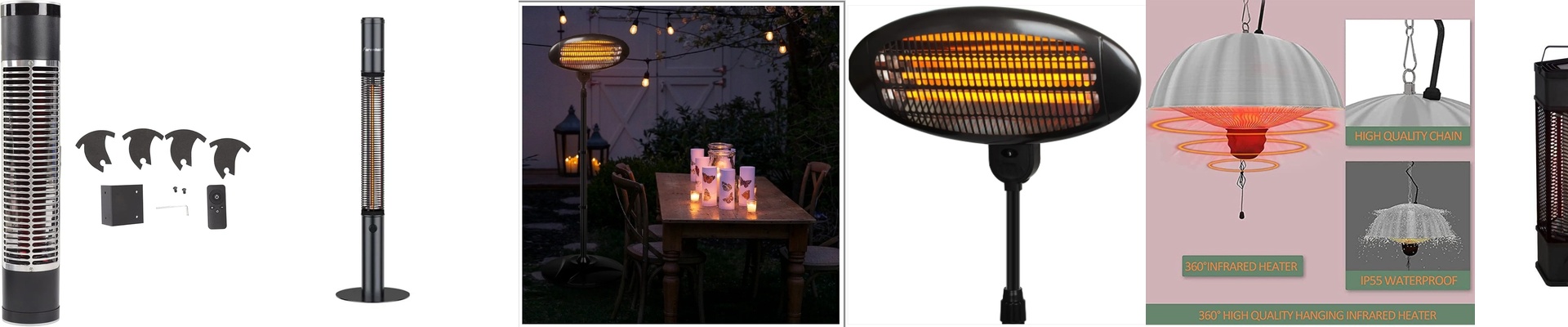
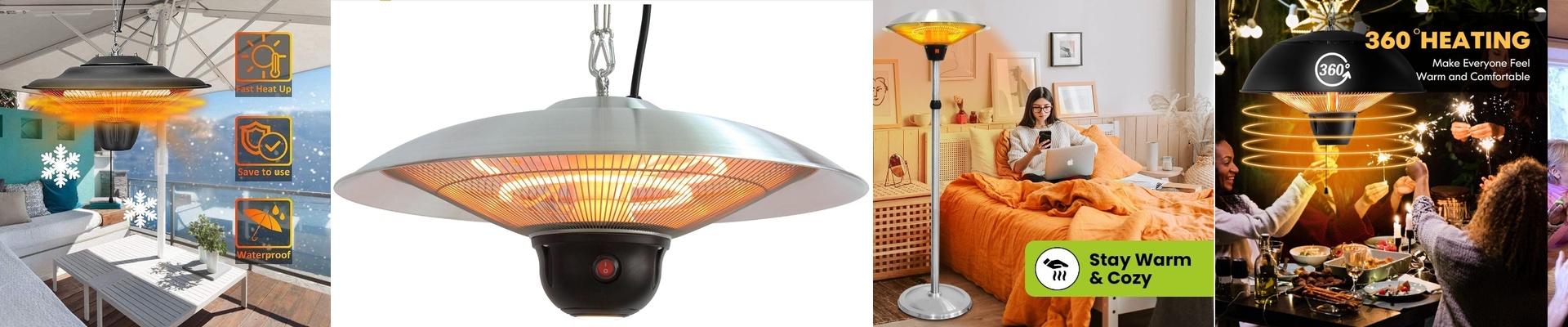
If you’ve ever put a heater outside, you know the two things that want to kill it: condensation and random splashes of water. It sounds simple, but it’s a mess. When the temperature swings, moisture just settles on the heating element. Now, imagine a drop of cold water hitting a scorching hot quartz tube.**Boom.**You get thermal shock, or worse, a short circuit that kills the whole unit.
Dealing with Fog and Splashes
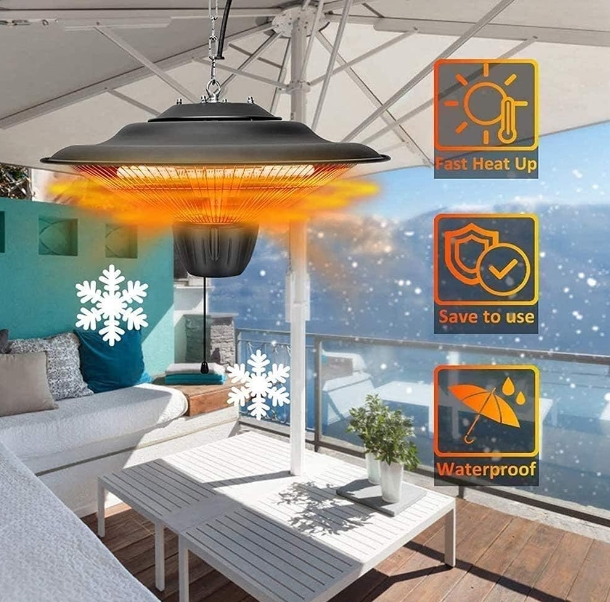
We don’t just throw a plastic cover over our units and call it a day. That doesn’t work. Instead, we use a mix of tight gaskets and clever drainage channels. The goal is simple: make sure water has a way out so it doesn’t pool around the electrical terminals. Then there’s the fog. That’s a trickier problem. To stop the lens from fogging up, we play around with the airflow. By keeping the surface temperature just above the dew point, the moisture never gets a chance to settle. If we didn’t do this, the optics would get cloudy, your infrared rays would scatter, and you’d be left shivering despite the heater being on.
Why This Actually Matters for Your Wallet
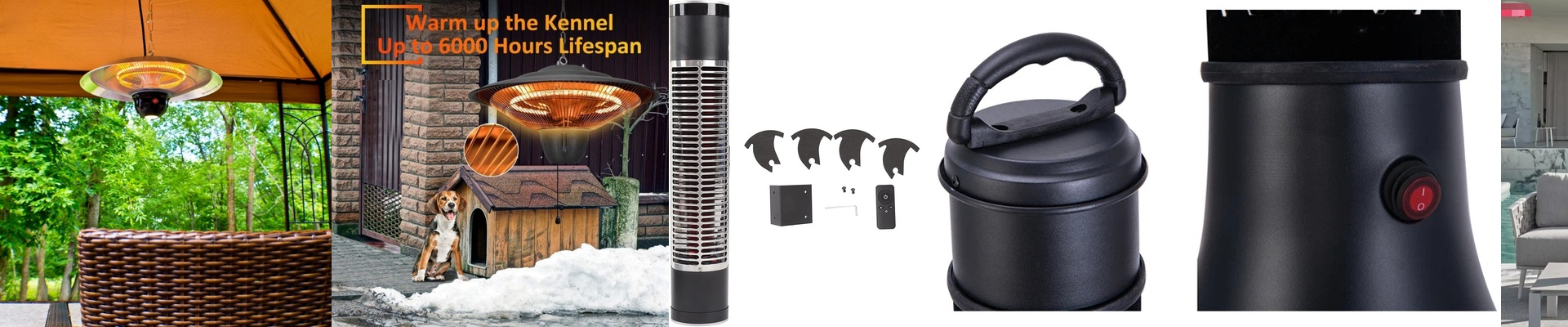
Most heaters die at the connection points. Water sneaks in, corrosion starts eating the wiring, and it’s game over. We use sealed terminals to stop that from happening. It also protects the quartz tubes from “pitting.” That’s when minerals in the water bake onto the glass, leaving behind these tiny, ugly craters. Those craters create hot spots, and hot spots eventually crack the tube. Keep the water out, and the heater lasts years longer.
The Trade-off
Here’s the honest part: making something truly waterproof adds bulk. These units are heavier and take up more space. You can’t just add a shield to any old heater because you have to think about the heat trapped inside. If the ventilation isn’t just right, the housing overheats and fries the wiring insulation. So, you get a machine that can handle a storm, but you’ll need a bit more room on your patio to fit it. Worth it? Absolutely. Nothing is worse than a heater that quits the first time it drizzles.