Why Your Bathroom Needs More Than Just a “Heat Lamp”
Most of us think of those bathroom heaters as a luxury—something to keep you from shivering when you step out of the shower. But if you look under the hood, it’s less about comfort and more about managing the chaos of a wet room. When we design these things, we aren’t just trying to warm you up. We’re fighting a war against mold and that sticky, lingering humidity.
Drying things out (the smart way)
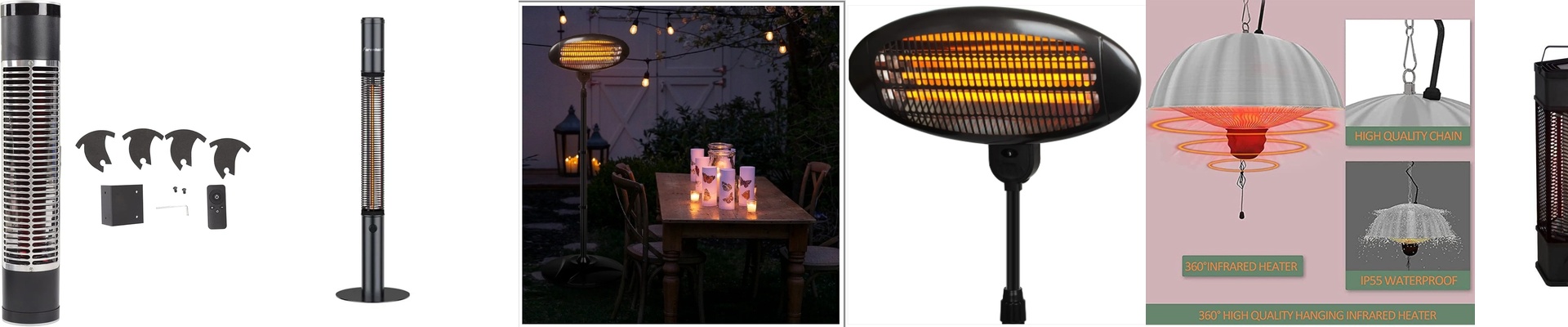
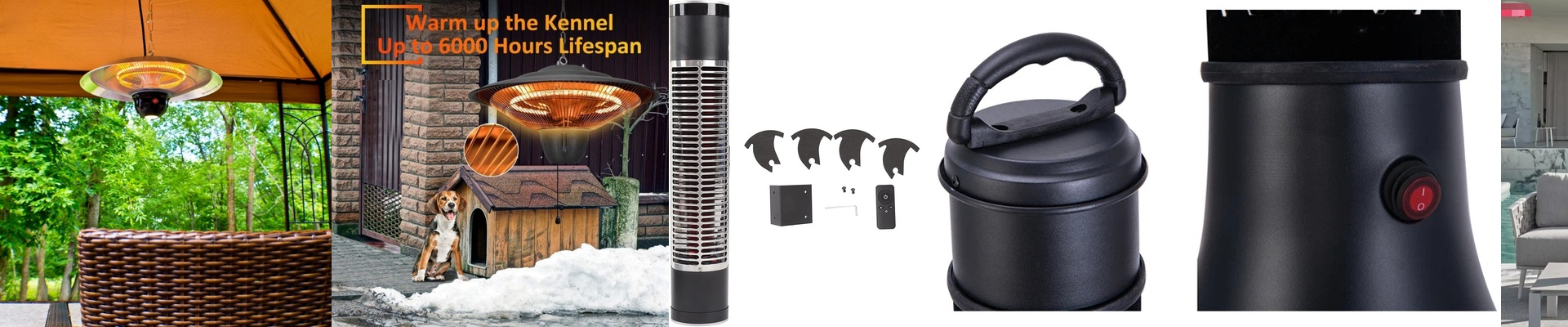
Here is the secret: we use infrared radiation. Now, don’t let the science talk bore you. All it means is that instead of just heating the air—which usually just floats to the ceiling—this heat goes straight for the water. It hits your damp tiles and walls and warms them up fast. Once those surfaces get hot, the water evaporates. Simple. And since mold loves cold, damp corners to call home, keeping the walls warm basically tells the mold to find somewhere else to live. It keeps the room dry and fresh, rather than smelling like a locker room.
The “Will it break?” part
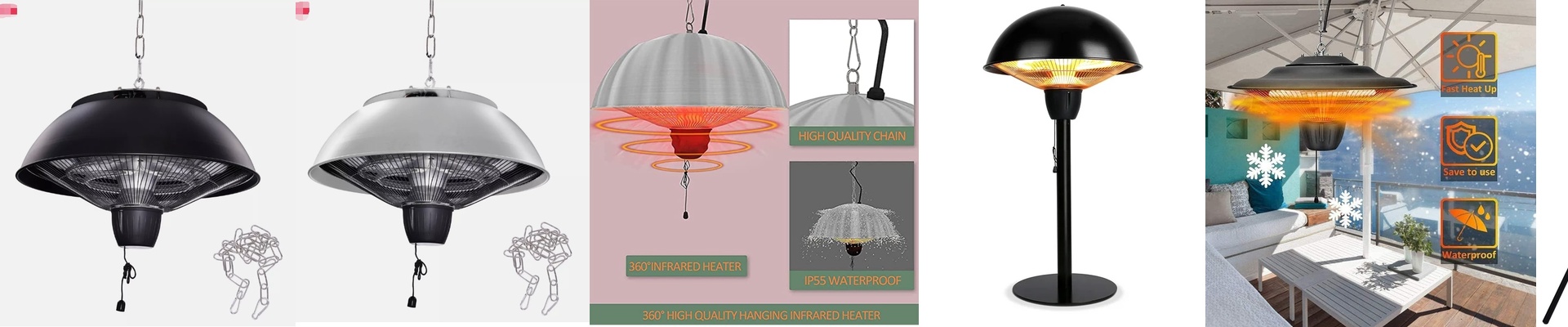
Water and electricity are a nightmare pairing. That’s why we build these units to IP65 standards. In plain English? They’re sealed tight. Dust can’t get in, and a few splashes of water aren’t going to fry the circuits. One quick tip: check your power. A high-wattage lamp gets the room hot in seconds, but it can be a bit hard on your wiring. If you’re putting these in a commercial building or a big hotel, just make sure your breakers can handle that initial kick of power when you flip the switch.
The trade-off
IR heaters are incredibly fast. They hit peak heat almost the second you turn them on. But there’s a catch. The moment you kill the power, the heat is gone. You won’t get that slow, lingering warmth you get from an old-school radiator. Because of that, you can’t just turn the heater off the second you finish your shower. If you do, the leftover moisture just settles right back onto the cold tiles. Leave it running for a bit. Let it actually dry the room out. Your walls—and your lungs—will thank you.