
Why Infrared is Taking Over Bathroom Retrofits
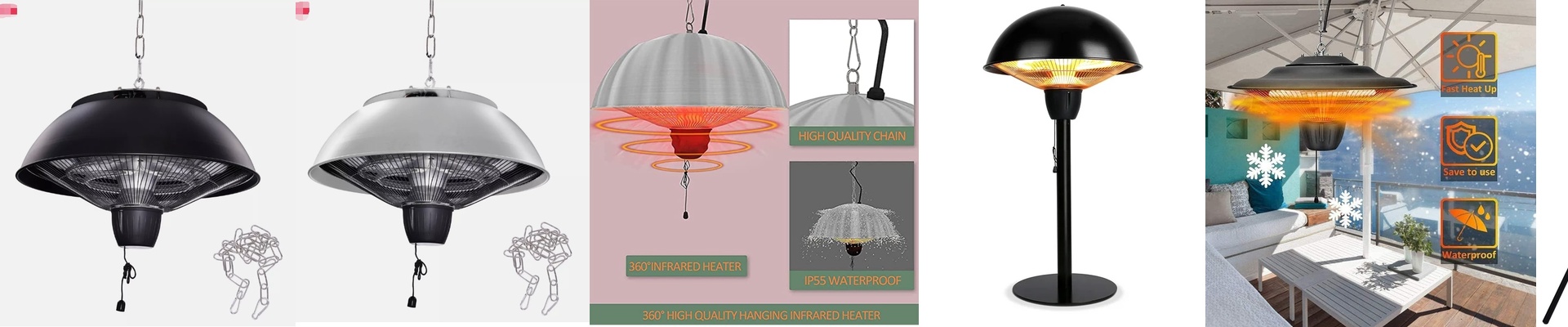
Here’s what’s happening in bathroom upgrades: folks are ditching the old lamp-style heaters and going for high-grade, waterproof infrared instead. And honestly, it makes perfect sense. Infrared doesn’t waste time heating the air. It warms you directly—like standing in a sunbeam. That means less wasted energy and way less moisture hanging around. For engineers and installers, it’s a relief: a system that just works in wet spaces, and easily meets today’s renovation standards.
Power, Voltage, and Size—Simplified
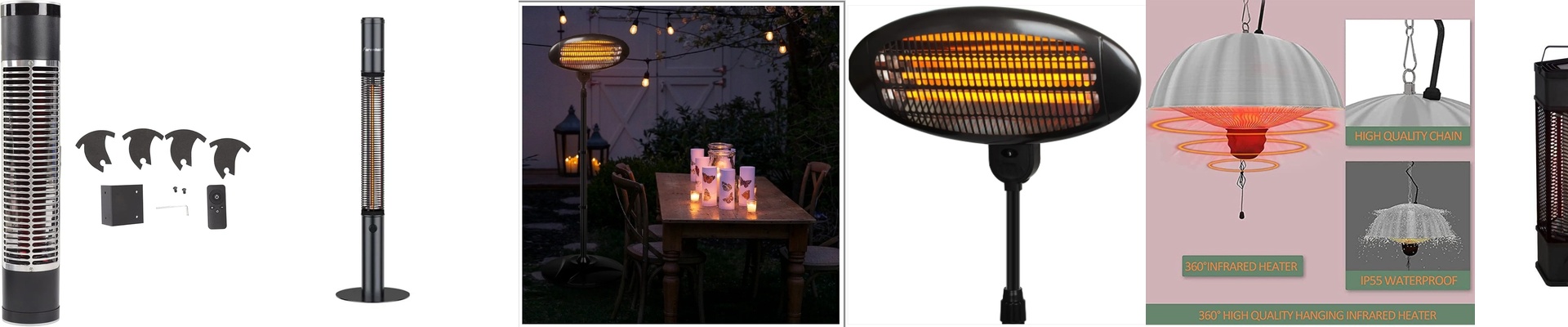
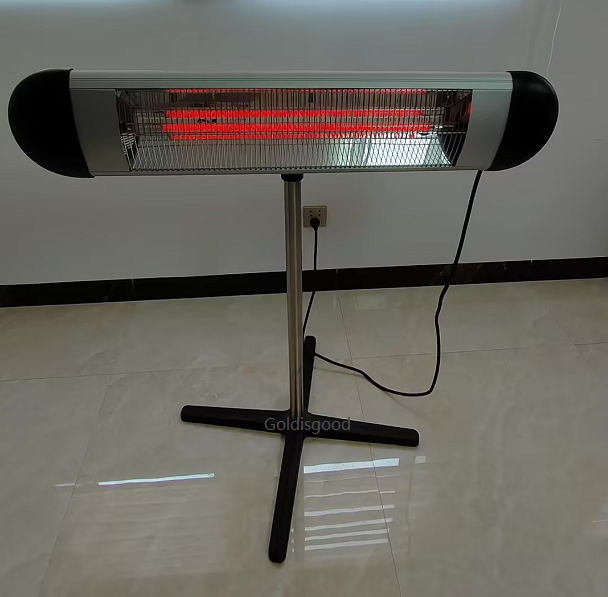
Infrared heaters pack a lot of warmth into a small footprint. They run on standard building voltages, with outputs typically between 1500W and 2500W, depending on what the room needs. The element is designed to sit flush on the wall, keeping the profile low while still covering the space with radiant heat. So you can fit a heater into tight spots without compromising on warmth.
What It’s Built From—Quartz, Coating, and Connectors
Inside, you’ve got a quartz tube with a special coating. It keeps the heat steady and handles the shock of turning on and off again and again. The whole housing is sealed tight—gaskets and everything—so water can’t sneak in at the joints or terminals. And the connectors, usually R7s or similar high-temp types, stay solid under heat. No softening. No arcing. These parts are meant to live in humid bathrooms and keep on ticking.
On the Job: Installation, Comfort, and What to Watch For
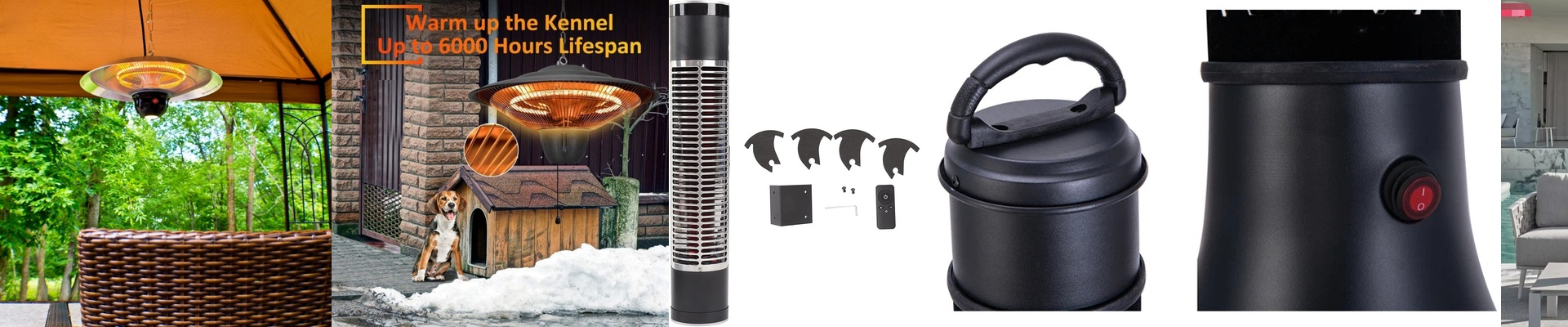
On the shop floor, this setup makes life easier. Wire it once. Mount it securely. Then it runs with almost no fuss. The warmth hits fast—surfaces and people warm up quickly—so there’s less waiting around and more comfort. Just keep one thing in mind: because the heat is concentrated, you need proper clearance and decent ventilation so nearby materials don’t get too hot. For renovations, it’s a clean swap. You pull out the old lamp system, drop this in, and you’re set with modern waterproof performance and safety.