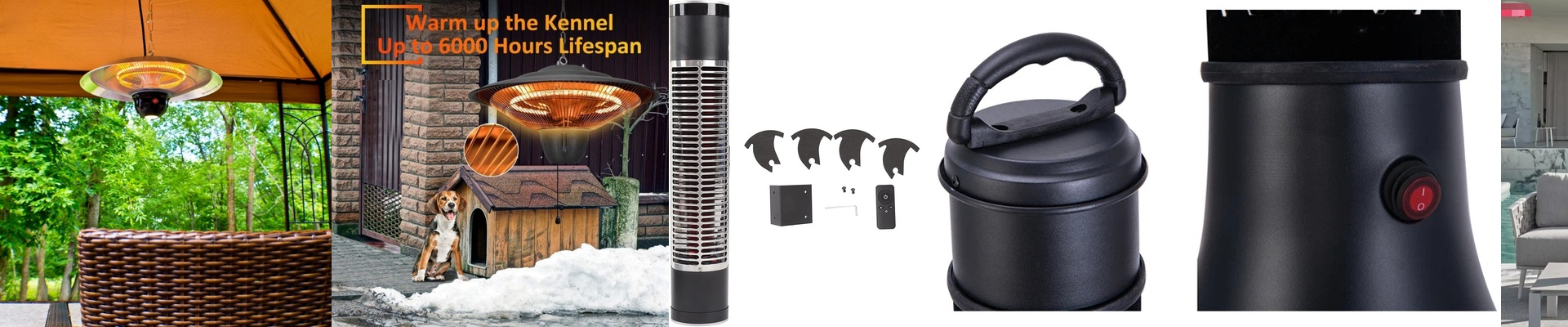
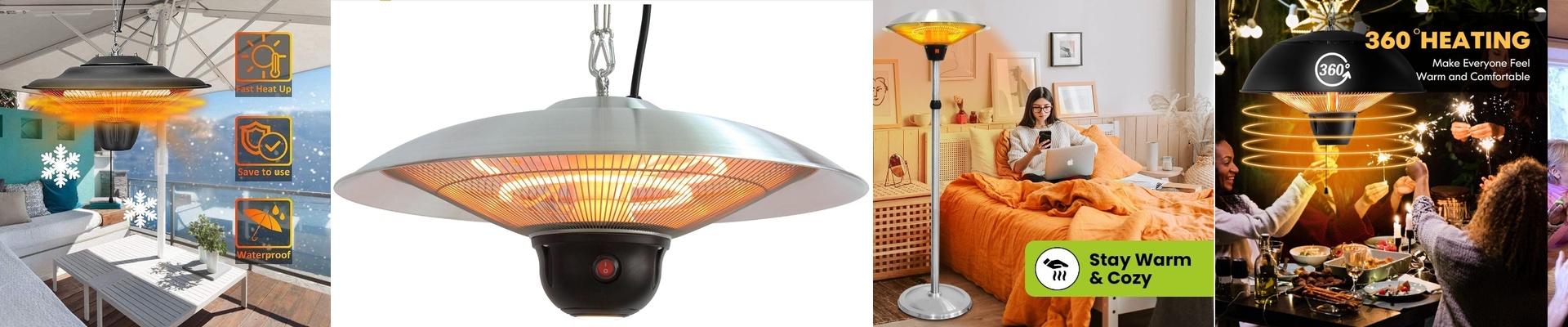
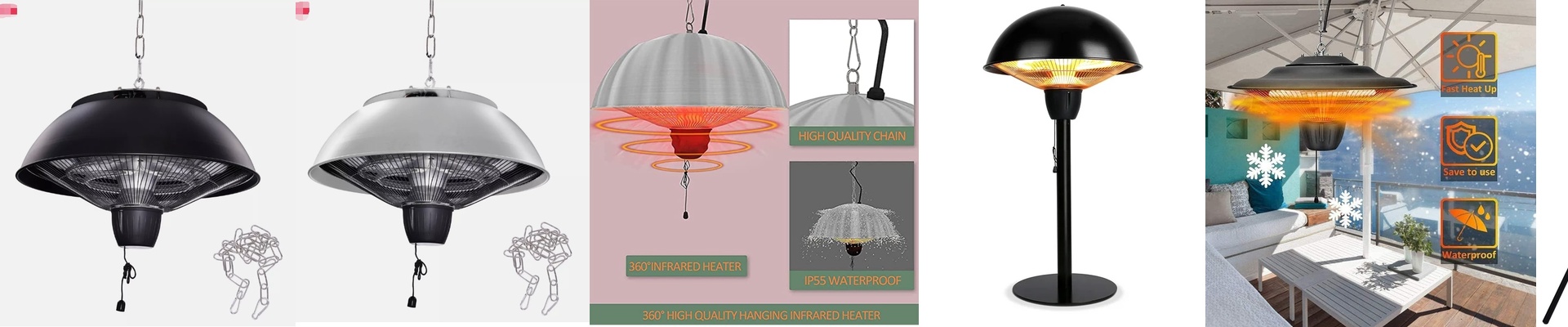

Keeping Your Bathroom Warm—Without the Stress. How We Build Infrared Towel Rail Heaters That Stay Safe, Even When It’s Damp
Let’s get real: bathrooms are wet. Like, constantly. And that moisture is no joke when you’re talking about something electrical. So when we design our infrared towel rail heaters, the whole point is simple—give you that toasty warmth fast, but never, ever compromise on safety. For anyone installing these or working with them, that means the lamp has to stay 100% electrically isolated, even when the whole room is steaming up.
The nuts and bolts: power, voltage, and size
We build these heaters to plug straight into standard home power—usually 230V or 240V—so you don’t need a rewiring project just to get warm towels. The wattage is matched to the rail length, typically between 150W and 250W per bar. That gives you enough heat to cover the whole rail, without tripping circuits. And the footprint? Designed to stay out of the way. The lamp tube is compact—around 300mm to 400mm long—so it fits neatly into tight fixtures, while still throwing out plenty of infrared warmth.
What’s inside: built to take the heat (and the humidity)
We use a quartz tube because it can handle the constant on-off cycle of heating and cooling without cracking under pressure. It just keeps going, even when temperatures swing hard. Inside, halogen technology keeps the filament stable. It actually helps regenerate the environment around the filament, which stretches the lamp’s life. The tube also gets a special high-temperature coating. This does two big things: it boosts the mechanical strength and adds an extra electrical barrier. That barrier is crucial—it fights off moisture and stops surface tracking, which is exactly what you need in a bathroom. For the connections, we stick with R7s connectors. They’re proven, reliable, and give you a solid mechanical fit with clean, consistent electrical contact. That means fewer hot spots where the lamp meets the fixture. And the ends are engineered to grip tight, so even with vibration and thermal expansion, the connection stays put.
Why it matters in the real world
In a bathroom, this heater is meant to be a straightforward drop-in solution that keeps performing, day after day, in a damp environment. The infrared heat goes straight to the towels, so you don’t have to overheat the room just to get things dry. It’s direct, efficient, and it means your ventilation doesn’t have to work overtime. Now, here’s the practical bit: because the heat is concentrated, the surrounding fixture and wiring have to be rated for that temperature. Make sure the mounting hardware and junction box can handle the heat, and always check local codes for damp-location requirements. When you get the spec right, the lamp stays dry, stays isolated, and just does its job—keeping your towel rail warm, reliably, every single time.