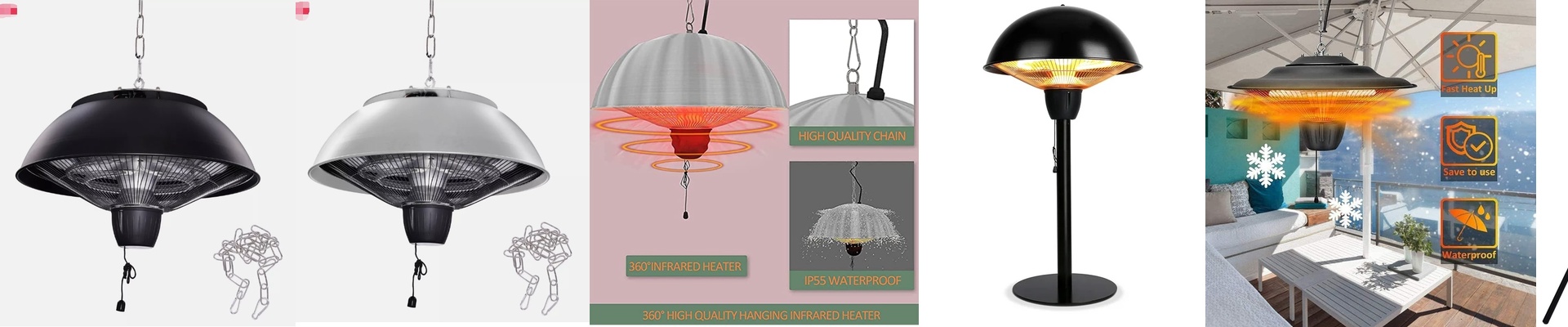
How to Pick the Right Infrared Heater for Your Bathroom
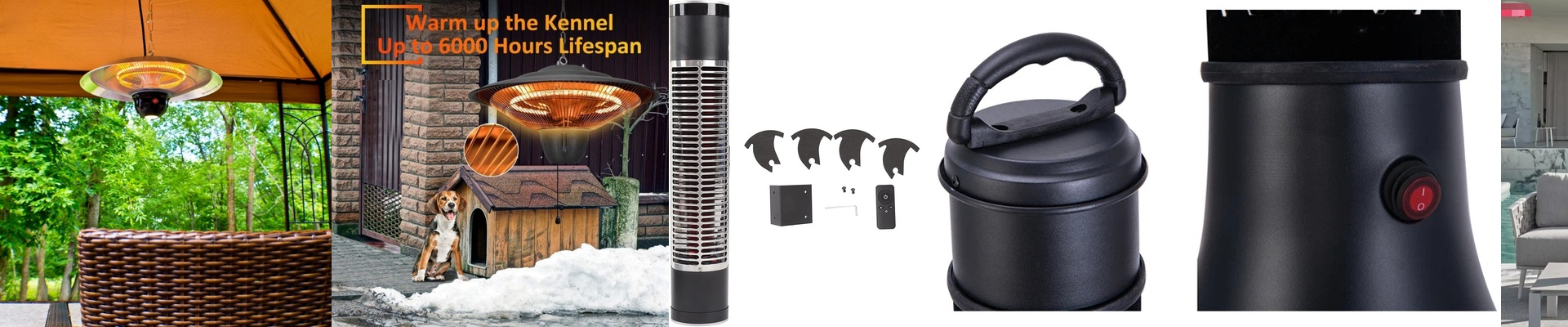
Nobody likes stepping out of a hot shower into a freezing bathroom. It’s a shock to the system. But if you just throw the biggest heater you can find into a small space, you’re going to end up with a sauna—and a waste of electricity. The trick is matching the power to the size of your room. Also, since bathrooms are basically steam rooms, you absolutely needIP65-ratedgear. That’s just a fancy way of saying the electronics are sealed tight so moisture doesn’t fry the system.
Getting the Power Right
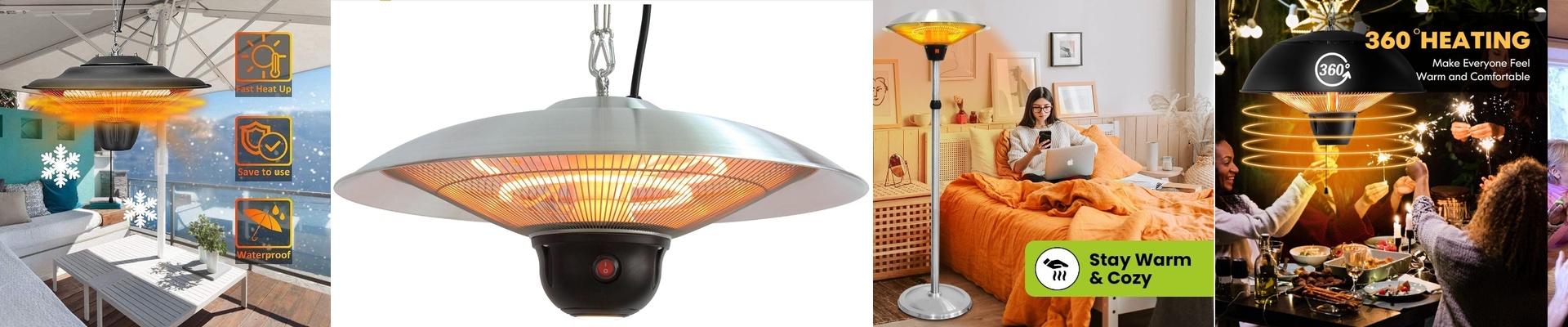
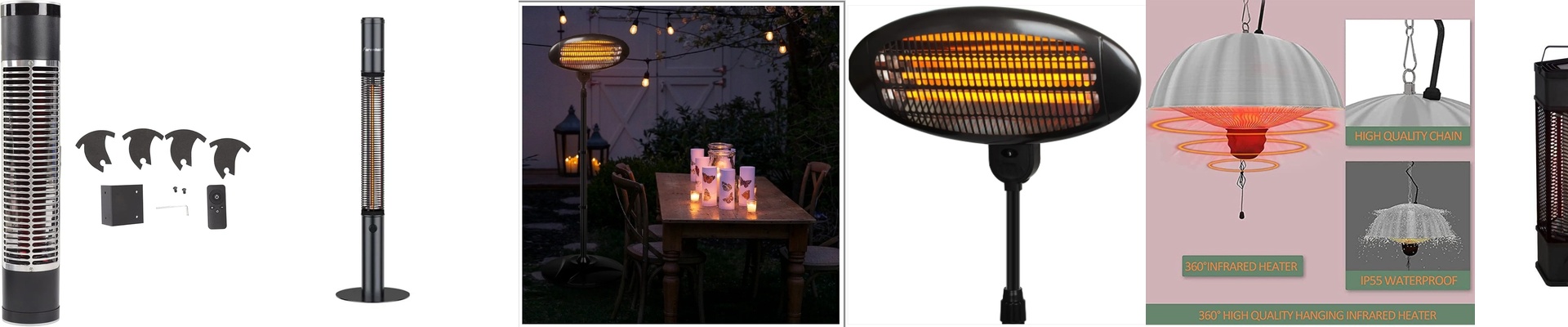
Think about the actual space you’re heating. If you’ve got a tiny powder room (under 3m²), keep it simple. A small 250W to 400W lamp does the job. If you go overboard and put a 1000W beast in there, the thermostat will be clicking on and off every few seconds. It’s annoying, and it’ll wear out the parts way faster than they should. For a medium-sized bathroom (4m² to 7m²), you’ll want a bit more oomph—somewhere around 600W to 800W total. Then you have the big master baths (8m² and up). These need 1200W or more to actually feel the difference. Here’s the catch: if you go too low on power, the heater has to run constantly to keep up. That’s a quick way to burn out the filament.
The Trade-offs
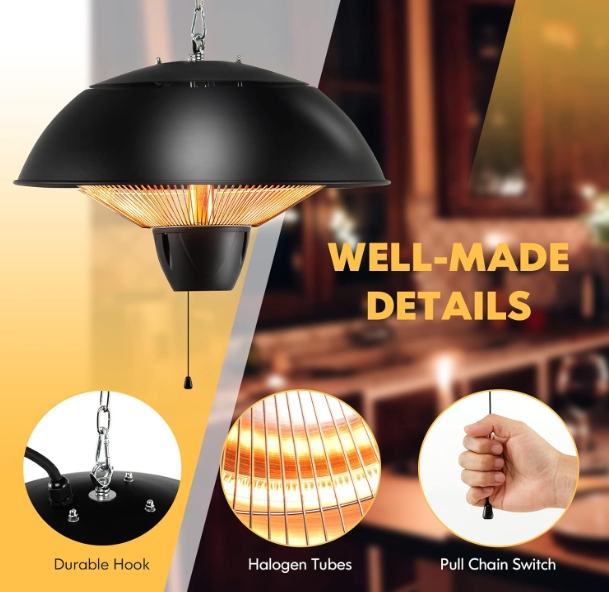
More wattage means more heat, but it also means the heat is more concentrated. A 1000W lamp is fast. Really fast. But it creates a “hot spot” right underneath it. If you’re standing there, it might feel like a heat lamp at a buffet. To fix this, mount the fixture higher up on the ceiling. It gives the heat room to spread out so it feels like a warm hug rather than a spotlight. One quick heads-up: those waterproof IP65 seals actually trap a bit of heat inside the housing. Because of that, the outside of the unit can get pretty hot to the touch. Just make sure your ceiling material can handle that without getting scorched.
A Few Pro Tips for Setup
Don’t just plug these into any old outlet. Put them on their own dedicated circuit. If you’re adding these to an older home, have an electrician check if your wiring can actually handle the extra load. You don’t want to trip your breakers every time you take a bath. And do yourself a favor:get a dimmable controller. You don’t need the same blast of heat in July that you do in January. Being able to dial it back keeps the room comfortable and keeps your power bill from spiking.