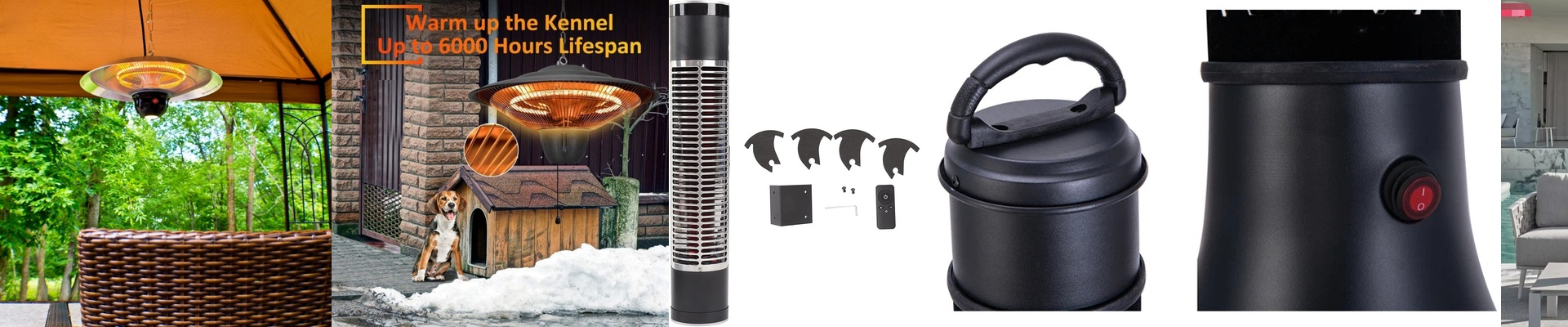

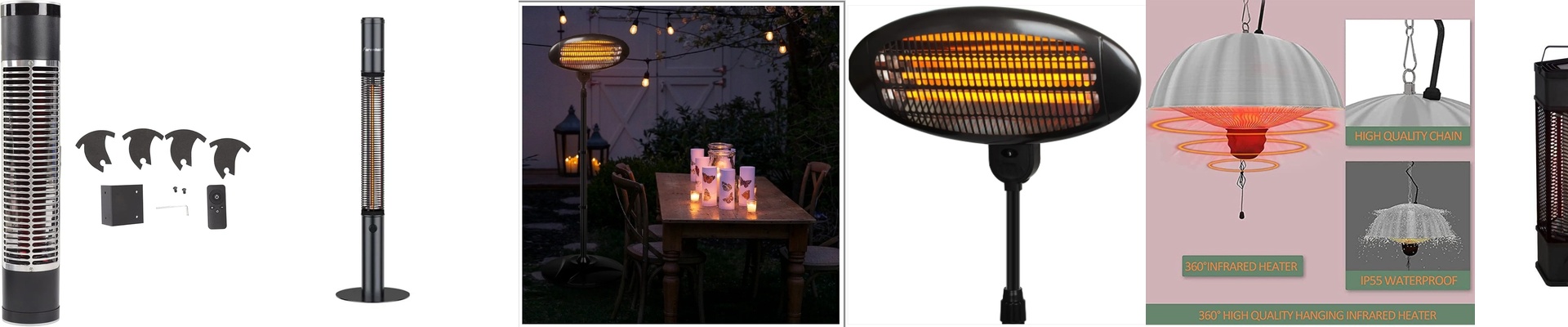

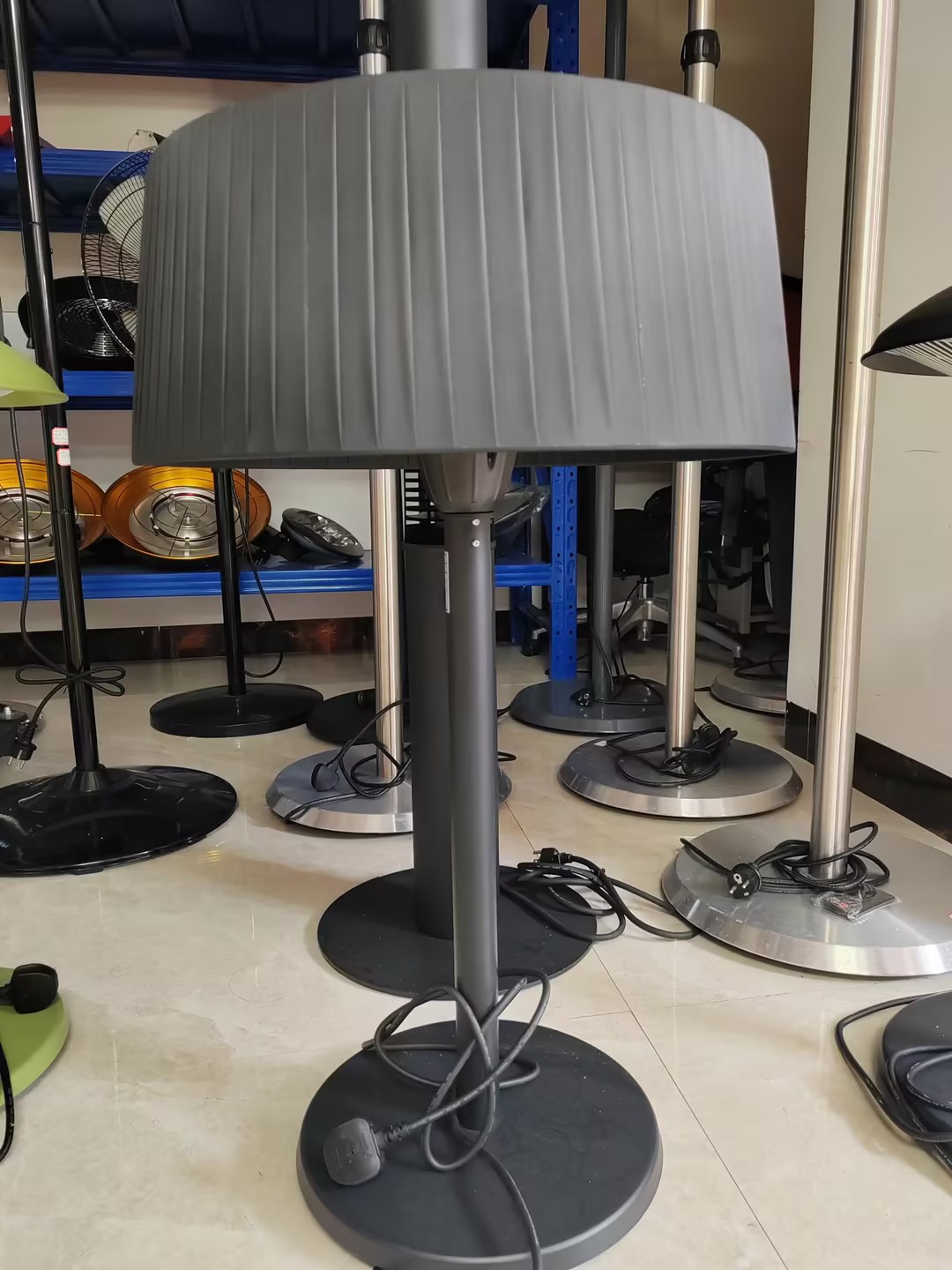
Why Your Infrared Heaters Actually Die (and How to Fix It)
Here is a little secret from the shop floor: most replacement infrared heating elements don’t fail because the filament just “gave up.” Usually, it’s the lead-wire seal that lets you down. When you’re working in an IP65 environment, you’re basically in a war with moisture and wild temperature swings. If the sealing material isn’t built for the heat it’s actually facing, it starts to shrink. And once it shrinks? Moisture sneaks right in to the terminals. Then you’ve got a short circuit on your hands. The real problem with “standard” seals A lot of the OEM-grade seals out there use generic silicones. They just can’t take the beating they get at the junction point. I see it all the time in industrial setups. The heater hits peak temp, the seal hardens, and tiny cracks start to spiderweb across the surface. That’s exactly where those cheap, white-label assemblies fall apart. To actually stop that aging process, you need a bit more than just a dab of glue. We use a multi-stage approach—think high-temp ceramic potting paired with a sleeve that doesn’t care about chemicals. It creates a solid wall that stays put, even while the element is expanding and contracting. Managing the heat stress A good IP65 seal does more than just keep the rain or spray out. It handles the “hand-off” from the scorching hot quartz tube to the cooler wiring. If that temperature drop happens too fast, you create a stress point. It’s like a thermal shock. We use a graded interface to spread that heat out. It keeps the insulation from getting brittle, which means it won’t just snap or crack after a few months of use. One thing to watch out for… There is a trade-off. Because the seal is so tight and sturdy, the lead-wire becomes a bit more rigid. Do not bend these wires sharply during installation. If you force a tight curve on an IP65-sealed lead, you might actually crack the potting compound on the inside. Give it a generous, lazy bend. Keep that radius wide, and your seal stays intact. Get the wiring right, and you’ve just killed off the most common reason these heaters fail early.