

Stopping the Particle Nightmare in Class 100 Cleanrooms
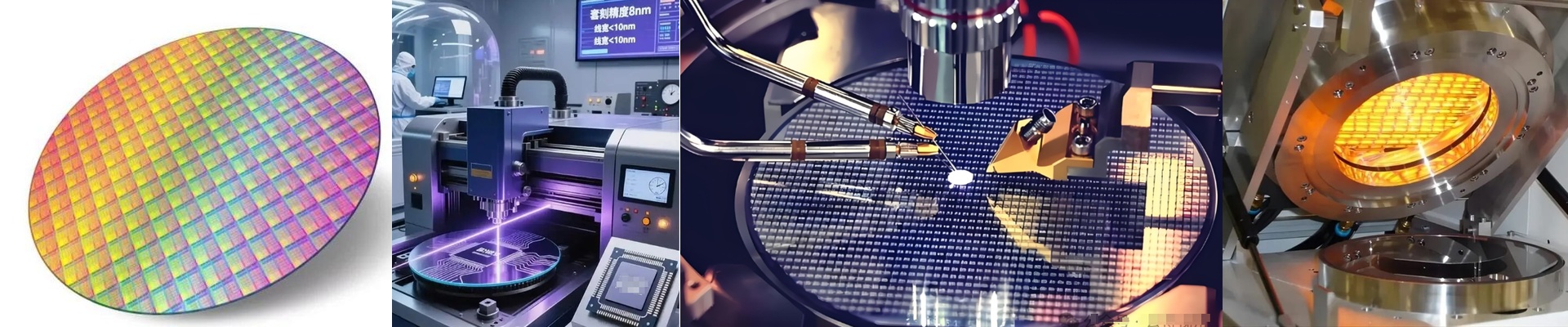
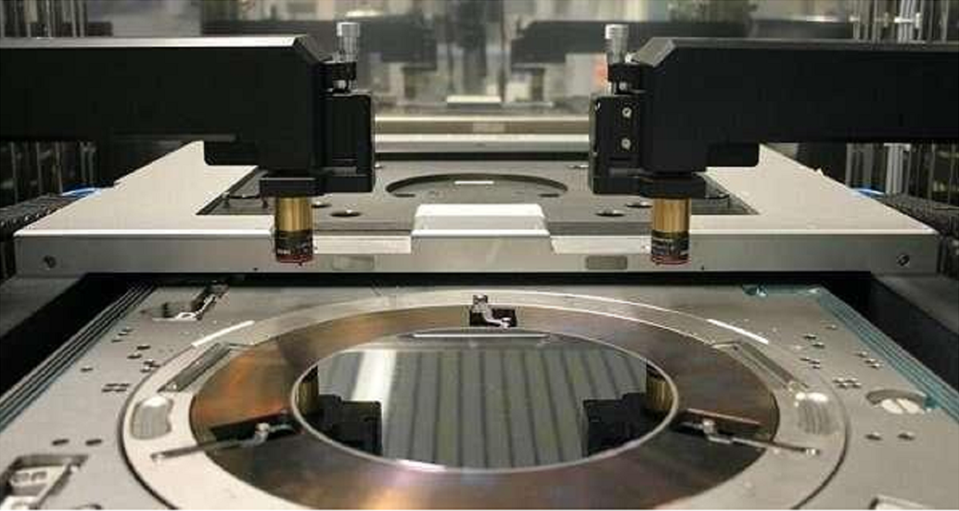
If you’re managing a Class 100 cleanroom for semiconductor fab, you already know the drill. Your biggest headache is outgassing. Most standard heating elements are a disaster in these environments. The second they hit operating temp, they start shedding particles or leaking volatile organic compounds (VOCs). One tiny flake, one invisible puff of gas, and your wafers are ruined. It’s frustrating. We fixed this by sticking to a simple, high-purity combo: quartz infrared lamps paired with specialized Teflon (PTFE) wiring.
Why this actually works
We use high-purity synthetic quartz for the lamp envelope. The reason is simple: it doesn’t “smoke” or break down when things get hot. It just stays put and does its job without reacting to anything. Then there’s the wiring. We only use PTFE-coated wires here. Why? Because it’s the only material that doesn’t crumble into dust or off-gas when the heat cranks up. If you try to cut corners with PVC or silicone, you’re going to trigger every cleanroom alarm in the building. Plus, you’ll end up with contaminants all over your substrate. Not a good look.
The tricky part: Installation
Here is the thing. To make the heating efficient, we keep everything in a tight footprint. We want the heat source as close to the target as possible. But that creates a “heat soak” problem. Even though PTFE is a beast with heat, you can’t just slap the wires directly against the quartz. You’ll melt them. You need a tiny air gap or a ceramic standoff to give those wires some breathing room. We also keep a very close eye on the wattage. It’s tempting to crank it up to hit your ramp-up times faster, but that’s a gamble. Too much power puts way too much stress on the quartz seals.
The bottom line for your workflow
At the end of the day, you just want a heating setup that works without making your life harder. With this approach, you get a solution that fits right in. No flakes, no weird fumes, and no sudden particle spikes. Your yield stays high, and more importantly, your sensors finally stay quiet.