Why we’re using IR for Carbon Nanotube Fab
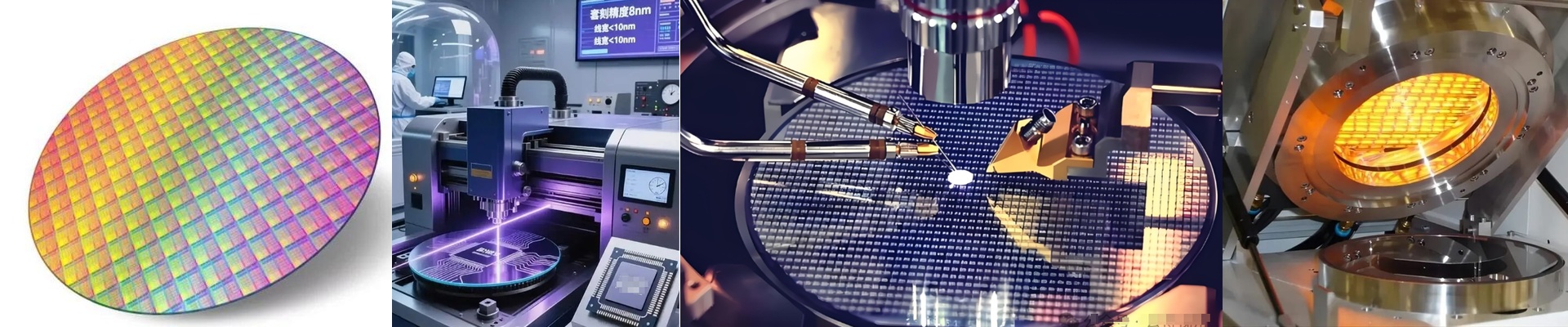
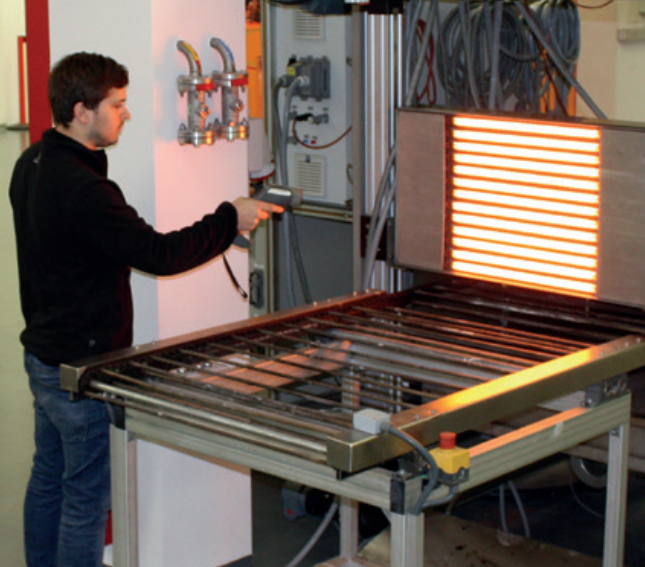
If you’ve ever tried to grow carbon nanotubes (CNTs), you know the struggle. You need exact heat, and you need it now. When we’re putting together a modern, smart fab, we stop looking at old-school heaters and go straight to high-intensity infrared (IR) systems. Here is why. The problem with the old way Most people start with resistive heating. But that’s just too slow for a digitized line. It’s like trying to heat a whole room just to warm up a cup of coffee. IR is different. It doesn’t waste time heating the air around the equipment; it beams energy directly into the substrate. It’s basically instant. Because it’s so fast, your heating cycles can sync up perfectly with your PLC clock. We’re talking millisecond response times. That’s how you actually keep your growth consistent without pulling your hair out. Taking the guesswork out of it In a smart fab, data is everything. We build these IR systems to talk directly to real-time thermal sensors. Instead of just setting a timer and praying for the best, you can actually see the heat map of your fabrication zone. If a sensor picks up a cold spot, the system just bumps up the wattage right there. No guessing. No “hope it works” mentality. It just adjusts. The trade-off (The “Gotcha”) Now, it’s not all sunshine. These high-density IR arrays pull a massive amount of power. When you’re cranking them up to hit fabrication temps, things get hot. Really hot. If you don’t get your cooling manifolds and ventilation right, you’re going to trip your thermal cut-offs and kill your momentum. Make sure your infrastructure can actually handle the load before you flip the switch. The bottom line for your floor space The best part? IR heaters are small. They don’t take up half the room like a massive furnace does, which leaves you plenty of space for your robots and sensors. They’re easy to wire and a breeze to replace if something goes wrong. For any engineer trying to build a digital line, the real win is the lack of thermal lag. You turn it on, it’s hot. You turn it off, it’s done. It makes the whole workflow feel fluid.