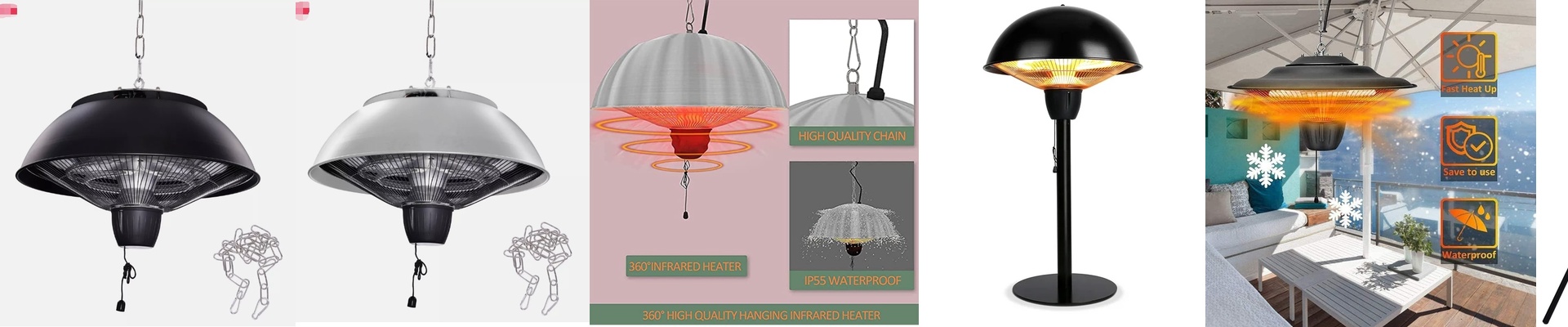
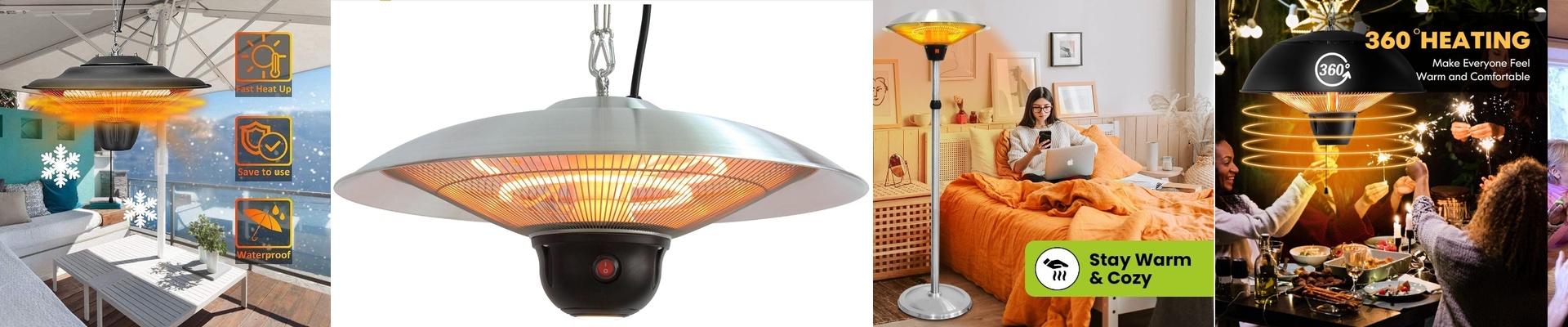
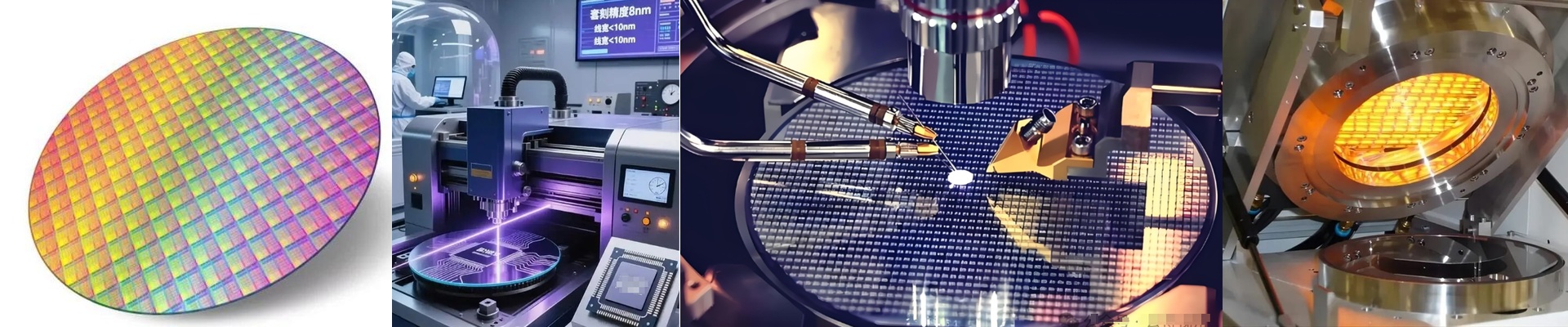
Out on the fab floor, hydrogen sensor heaters can’t afford drift. A half-degree excursion during soft bake or hard bake throws off critical dimension control, and the line comes to a halt. We built this heater to live in Class 1–100 cleanrooms, day after day, without unplanned stops. What matters under the hood It runs short-wave infrared quartz elements for fast, clean heat transfer, and holds wafer-level uniformity within ±0.1°C. Temperature setpoints stay repeatable across thousands of bake cycles, so your soft bake and hard bake profiles keep the same thermal budget, shift after shift. The body and seals are engineered for zero particle generation, which keeps particle counts in check during lithography integration. And it runs continuously at full load—no maintenance windows needed. Why it sticks in production Hydrogen sensor stacks need stable thin-film deposition and consistent photoresist processing. This heater keeps the thermal envelope steady through 7×24 operation, so you get consistent line-width, fewer rework lots, and yields you can count on. Energy use is managed with tight duty-cycle control, and the long service life cuts down on spare inventory and change-out downtime. The upshot is repeatable process control you can audit, run after run. A few shop-floor notes You’ll want a dedicated, clean power feed—stable voltage and solid grounding. If those dip, you’ll see temperature noise. It works with standard FOUP handling and common fab interfaces, but if you’re integrating into legacy ovens, plan on a quick mechanical review. Schedule a one-day qualification run to map uniformity across your exact wafer stack and confirm the bake profile lines up with your device stack.