Stop the Shards: Keeping Your Wafers Safe from Lamp Failures
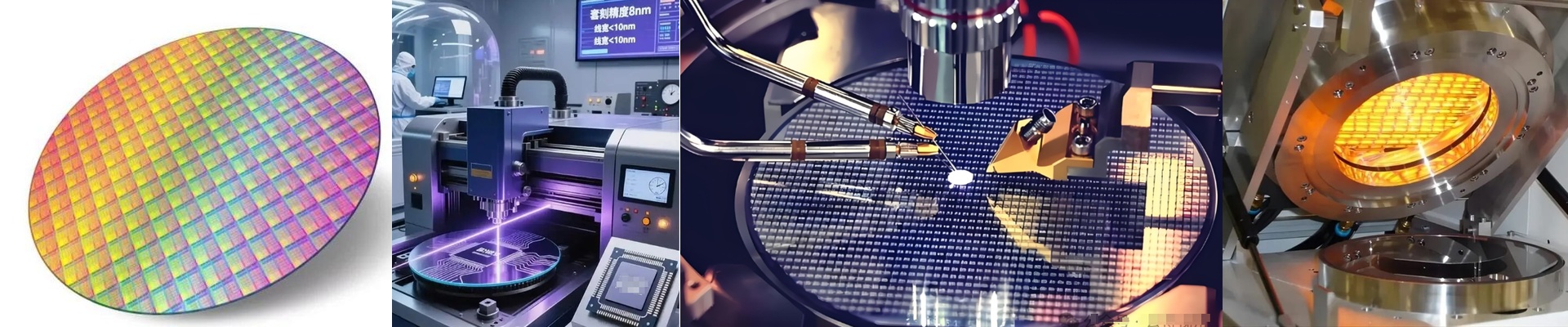
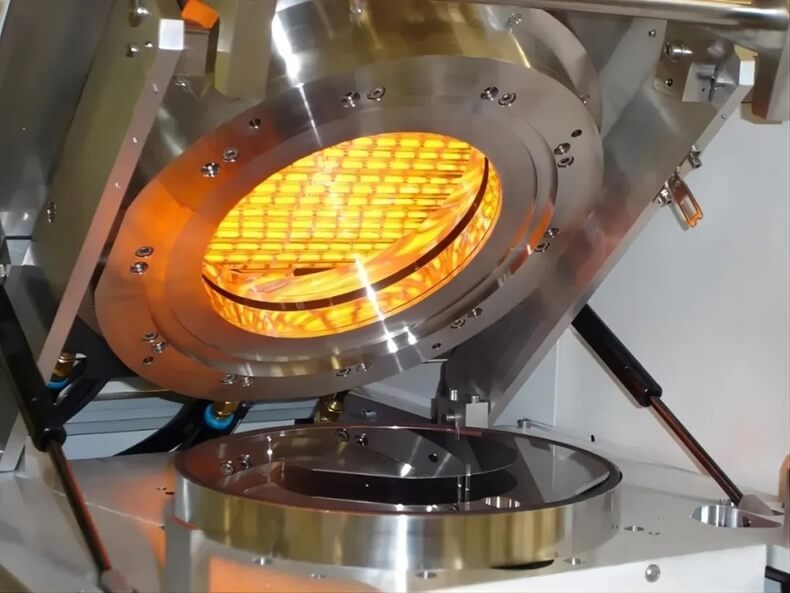
In a high-volume semiconductor line, a burst infrared lamp is a total nightmare. It’s not just about swapping out a part; it’s about the mess it leaves behind. When a quartz tube pops over a wafer trolley, you’ve got glass shards and metallic oxide particles raining down on your product. That’s an instant trip to the scrap bin. We’ve spent a lot of time figuring out how to make sure that never happens to you. Why tubes actually break Most of the time, it comes down to thermal shock. If you push too much power through a tube that’s too thin, the glass just can’t take the stress. It cracks. To fix this, we use high-purity synthetic quartz. It’s designed to handle those aggressive heat cycles. It means your tubes can take a beating during ramp-up without just snapping. Adding a safety net But we don’t just trust the glass to hold up. That’s a gamble. Instead, we build in a protective containment shield. Think of it as a physical barrier. If a lamp does burn out, the shield catches the fragments so the debris stays far away from your wafers. We also looked at the electrical side. A lot of tubes fail at the end-caps because loose connectors create these nasty heat spikes. We swapped those out for precision-fit sockets and stabilized wiring. No more weird thermal gradients, no more stress fractures. The reality of high power Here’s the thing: you want high-wattage lamps because they heat up fast, and fast heat means more throughput. But there’s a catch. Higher power increases the pressure of the halogen gas inside the tube. This is where your airflow comes in. If your cooling fans quit or something blocks the air, the tube temperature will skyrocket past what the quartz can handle. The shielding helps, but the best way to make your lamps last is to keep that air moving. Keep it clear, and you’ll save yourself a lot of grief.