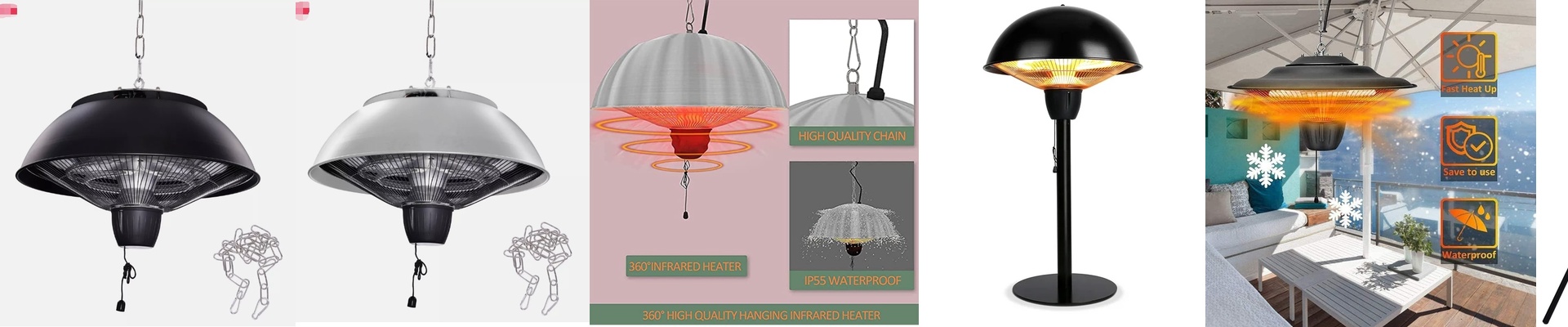

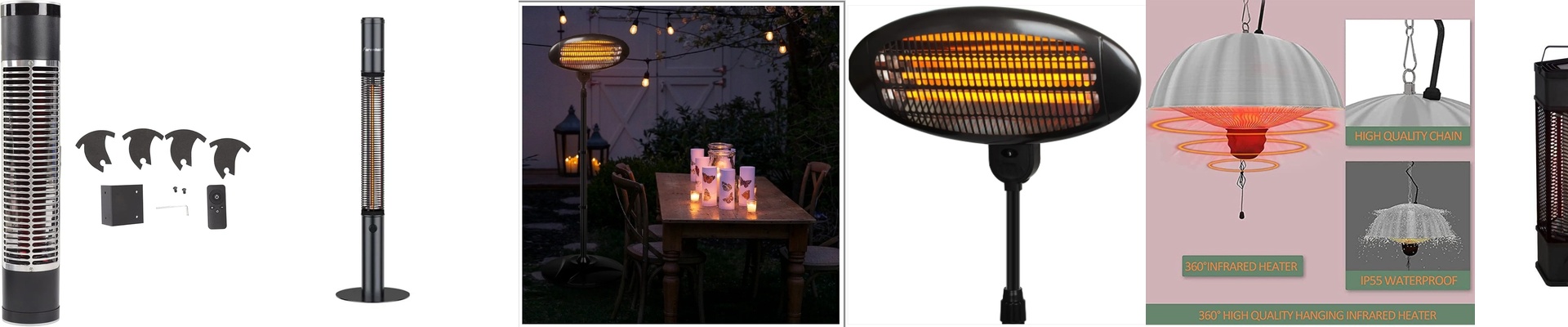
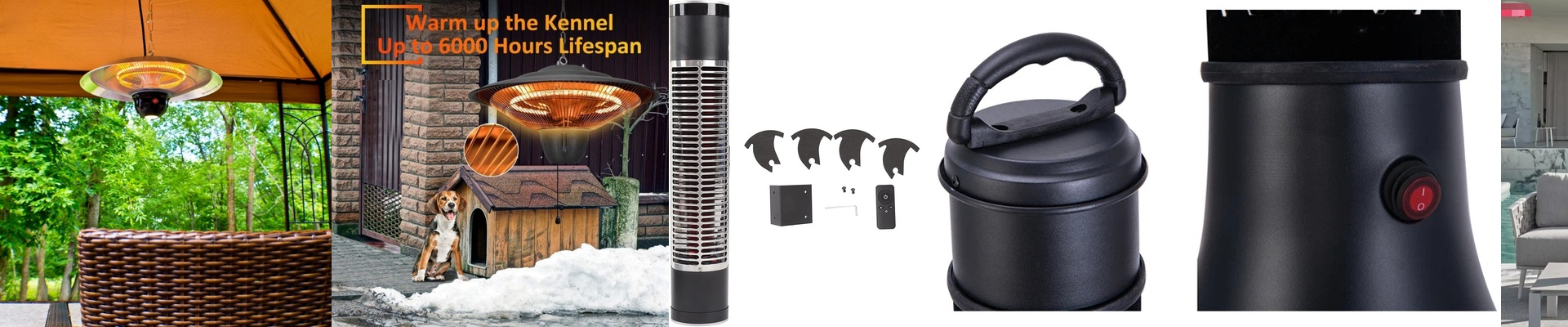
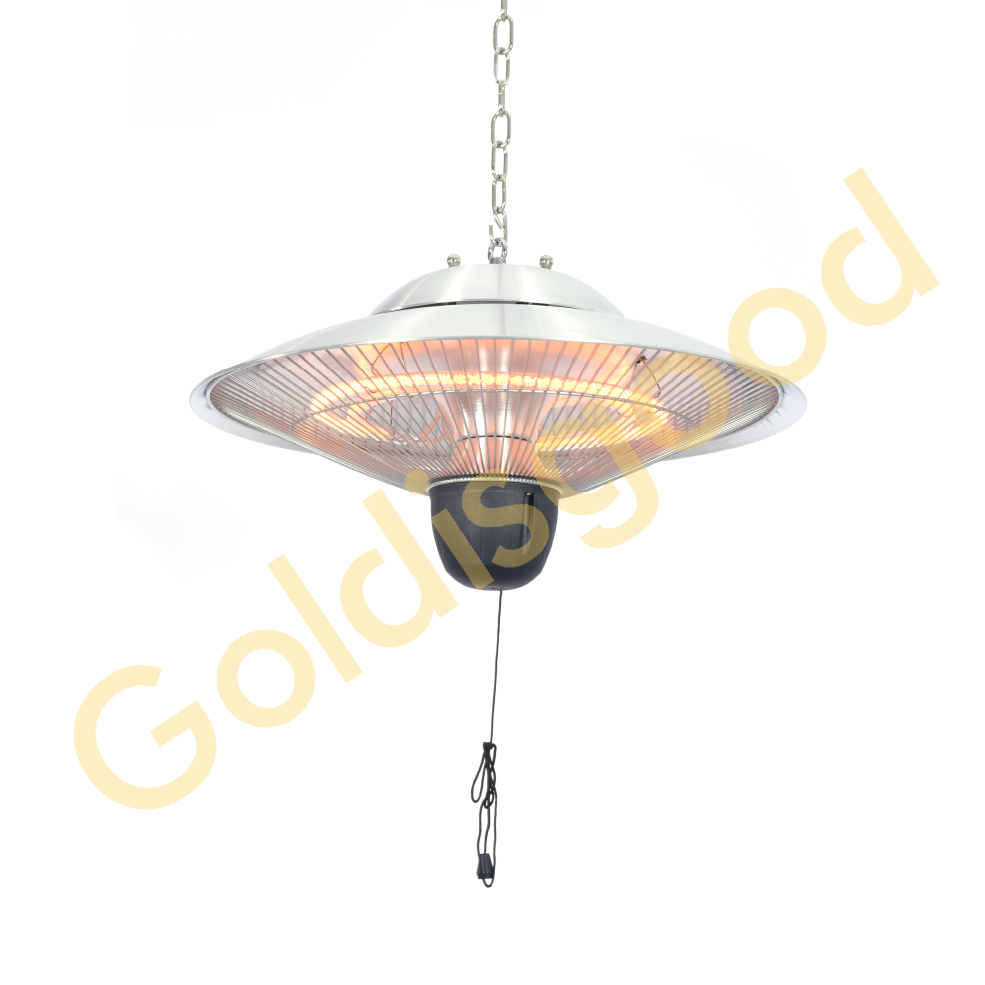
You bought an infrared electric heater, but the warmth feels patchy—or disappears the second the sun goes down. More often than not, the heater isn’t the problem. It’s the mounting height and how long it runs. Get those two wrong, and you’re always chasing comfort instead of settling into it. What actually matters under the hood Infrared heaters deliver radiant heat—they warm people and surfaces directly, not the air. For residential comfort, the trick is matching output to the space and keeping control tight. A typical 1500W infrared heater throws strong, focused warmth that’s right for small to medium rooms or sheltered outdoor spots. The timer lets you preheat for 30–60 minutes before you show up, then shuts things off automatically so you don’t run the unit longer than needed. Add a thermostat, and the heater holds a steady feel without cycling like crazy. And with a carbon fiber or quartz element, it comes up to temperature fast and stays stable, so you feel warmth almost the instant it turns on. Why this setup actually works Mounting height is where comfort is made or broken. In most home setups, 6 to 8 feet off the floor hits the sweet spot: broad coverage without scorching hot spots, and warmth that reaches both seated and standing levels. Angle the heater toward the seating area instead of straight down, and you get even coverage across shoulders and legs. Pair that with the timer, and the routine turns effortless—walk in to gentle warmth, enjoy steady comfort, then let the heater power down on its own. Energy use drops because the unit isn’t running all day, and wear drops too, since the cycles are shorter and intentional. A few real-world details that matter Infrared warmth is line-of-sight. Curtains, furniture, or tall plants in the beam will create cool patches. Clear the path and you clear the problem. For outdoor use, pick a unit rated for damp conditions—check the IP rating—and keep it sheltered from direct rain. The timer is best for preheating, not long, continuous runs. Once the space is warm, let the thermostat do the fine-tuning. And follow the mounting instructions. A solid bracket and proper clearance keep heat distribution even and extend service life.