
In a hot yoga studio, Savasana should settle into a quiet hush—not a shiver. Same story in your caravan. When the air turns crisp, you want warmth that hits the body directly, without drying the room or wasting energy. That’s the comfort of radiant heat, and it’s exactly why an infrared caravan heater earns its keep when deep relaxation is the goal.
What matters, under the hood
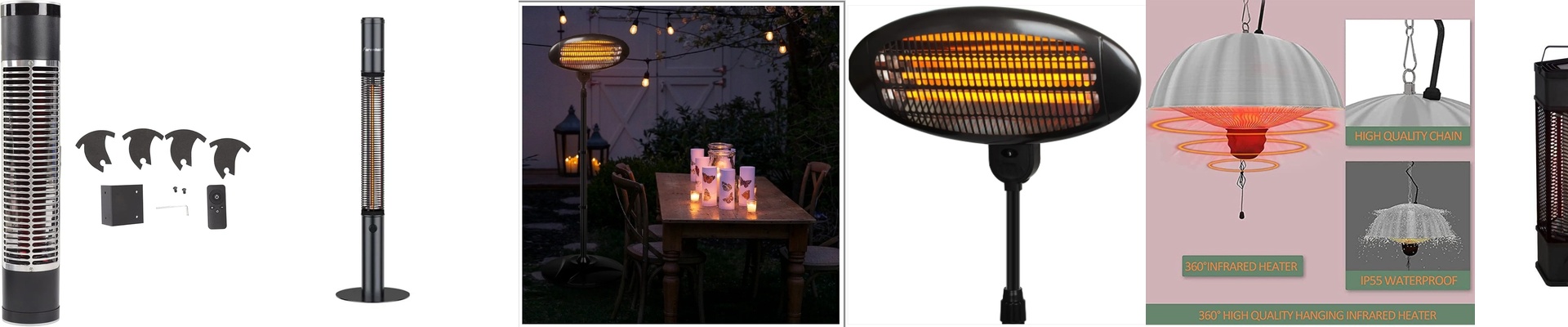
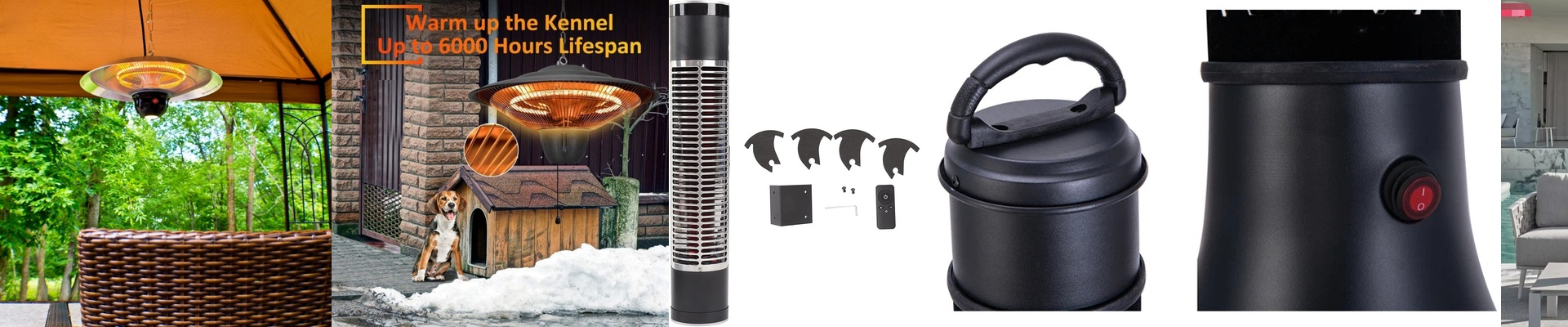
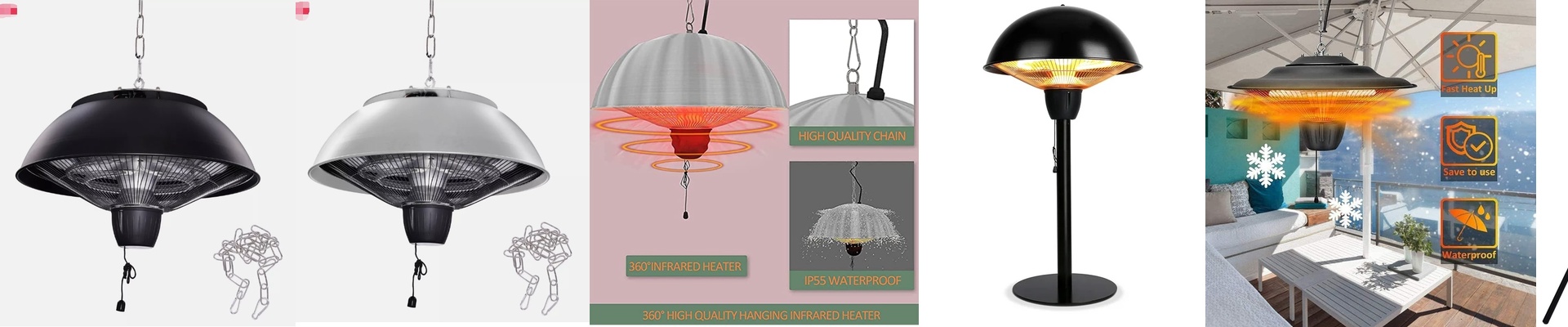
We built our caravan infrared heater around a carbon fiber element. It responds quickly and delivers an even output, which is exactly what you want for consistent comfort. The unit runs on 12V/24V DC or 230V AC, pulling 800–1500W, so it matches common onboard power without tripping the circuit. A high-reflectance backing throws the infrared warmth forward, and the front grill keeps contact safe. A built-in thermostat holds your set temperature, and tip-over protection shuts the heater off if it gets bumped.
Why this approach works
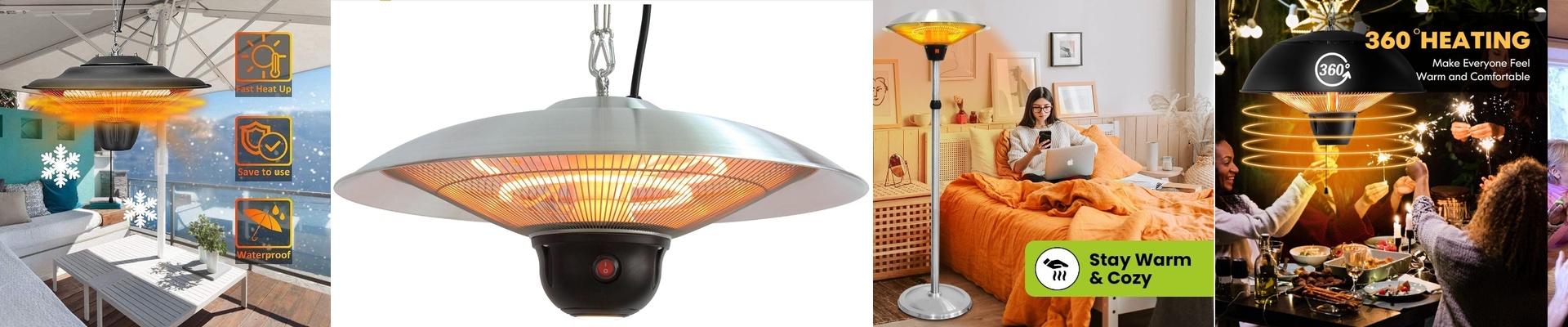
Infrared warmth is felt on the skin, not just in the air. In a hot yoga session, that keeps the room steady, so people can hold poses and ease into relaxation without a sudden cold drop. In a caravan, you feel cozy faster, and the air stays breathable—no forced-air blast stirring up dust or leaving skin tight. The upshot is a space that supports circulation, eases muscle tension, and makes it easier to get that quiet reset.
What to keep in mind
Because infrared heaters warm people and surfaces directly, placement matters. Mount the unit 1.8–2.2m high, angled toward the practice or seating area, and keep 30–50cm clearance from walls and fabrics. In humid spots, go with an IP-rated model and wipe the housing dry after sessions to keep condensation from building up. And here’s the honest part: infrared feels immediate, but it won’t heat a cold, drafty caravan the way a convection heater does. In very low ambient temperatures, pair it with better insulation or run a secondary heater.