

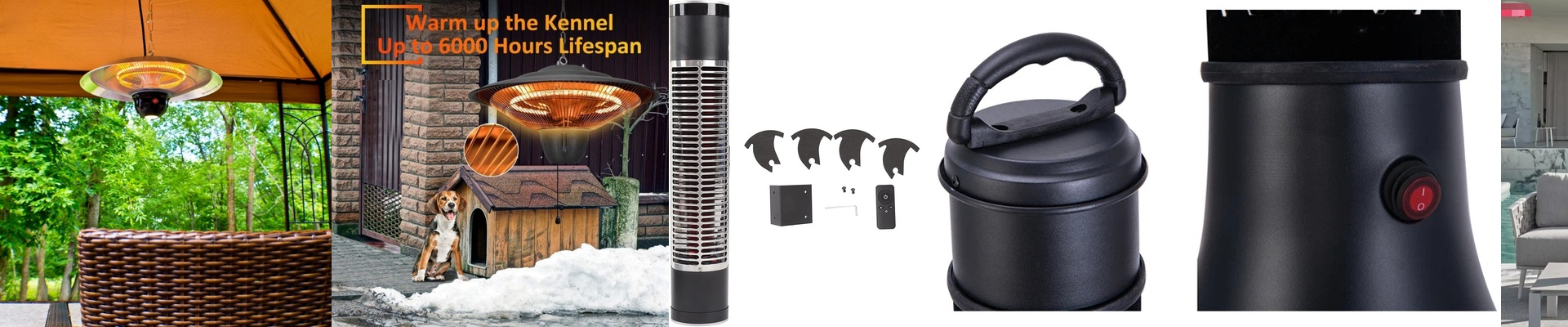
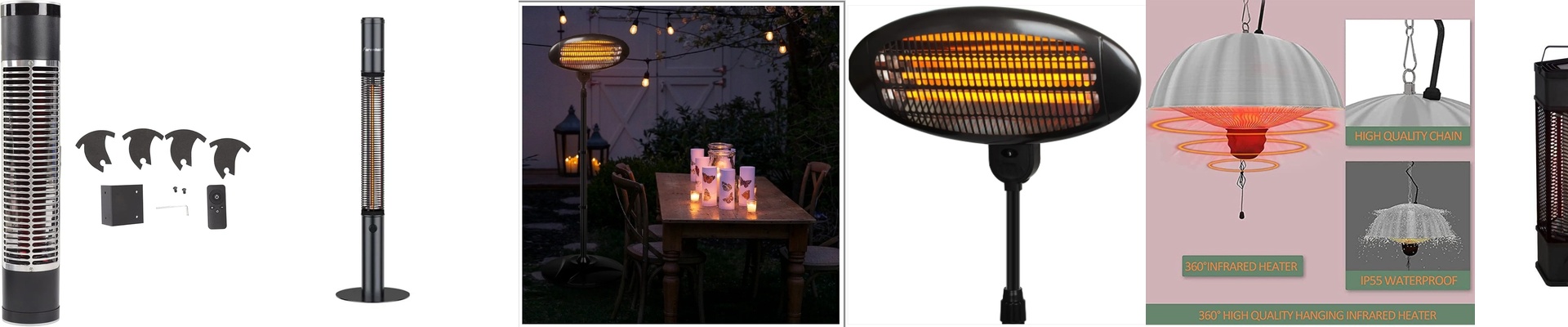
Big warehouses eat heat for breakfast. You’ve seen it—workers on the docks are freezing while the air ten feet up stays ice-cold. Conventional heaters chase the empty space, so you pay more and still get complaints. We built a cubicle heater to cut through that problem: infrared warmth aimed at people, not the rafters, for big volumes without blowing the budget.
What’s actually under the hood
We lean on short-wave infrared elements that throw radiant heat in a tight beam. You feel it fast—like the sun on your skin—direct and not diluted by air movement. The lineup covers 1.5–3.0 kW, with standard 120 V plug-in models for easy placement and optional 240 V hardwired units when a zone needs more muscle. Reflector optics shape the pattern so heat lands where it should—on workstations, loading bays, and aisles—instead of disappearing overhead. Throw a thermostat in the mix and you set comfort cleanly, without the wasteful over-and-under swings.
Why this fits a warehouse
In a large space, you want heat where and when it matters. Directional infrared delivers person-level warmth without trying to heat the whole volume. That keeps people comfortable through the shift, which helps pace stay steady and cuts the number of breaks taken just to warm up. Energy goes into occupied zones, so you can run the system less and still hit comfort targets. The payoff: lower energy use, fewer service calls, and a setup that keeps up as occupancy shifts—busy docks one minute, quiet storage lanes the next.
The practical details that matter
Directional infrared works best with a clear line of sight to the target. Stacked pallets or dense shelving cast shadows, and those shadows become cooler pockets. Plan coverage around how people actually work, and mount units at heights that match the beam spread. These heaters warm people and surfaces, so drafts near doors can still feel chilly. Pair with an air curtain or add a supplemental unit at entry points to close that gap. Keep the area above and around each unit clear for safe operation, and follow the clearances for the voltage and mounting method you choose.