Why we use Infrared Curing for Wafer Processing
Let’s talk about drying and curing. In the semiconductor world, we’ve mostly moved away from the old way of doing things—you know, the heavy combustion and nasty chemical solvents. Instead, we lean on Infrared (IR) technology. It’s just cleaner. By using direct radiant energy, we can ditch the lead-based processes and high-emission heating. It’s a simpler, greener way to get the job done without the environmental headache.
How the heat actually works
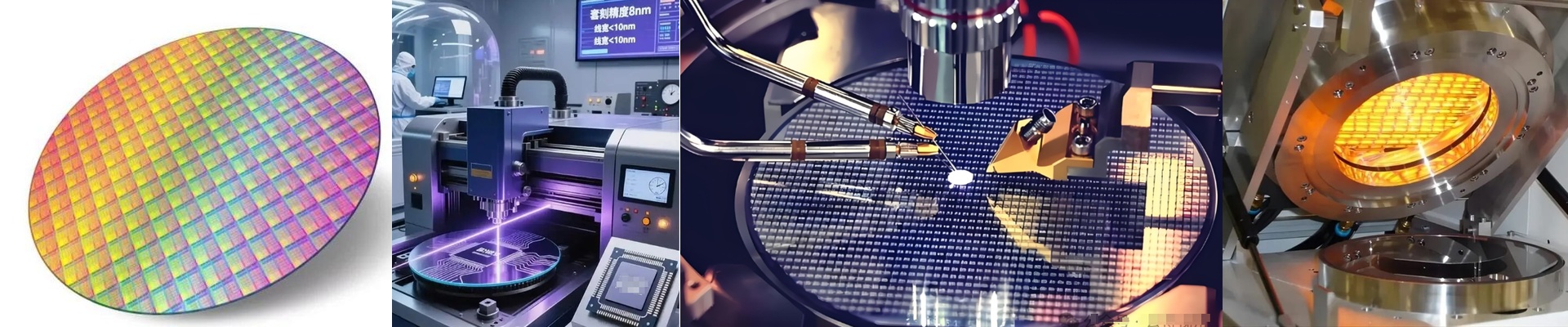
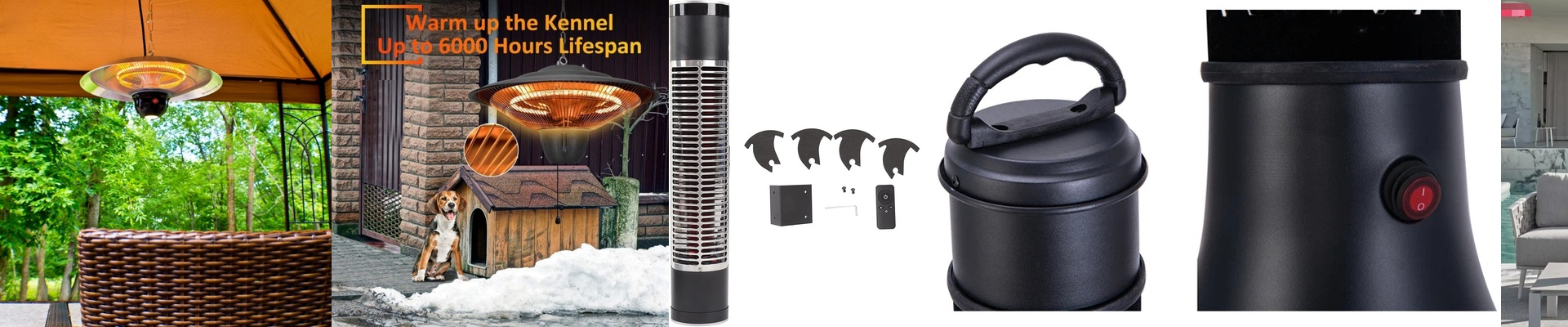
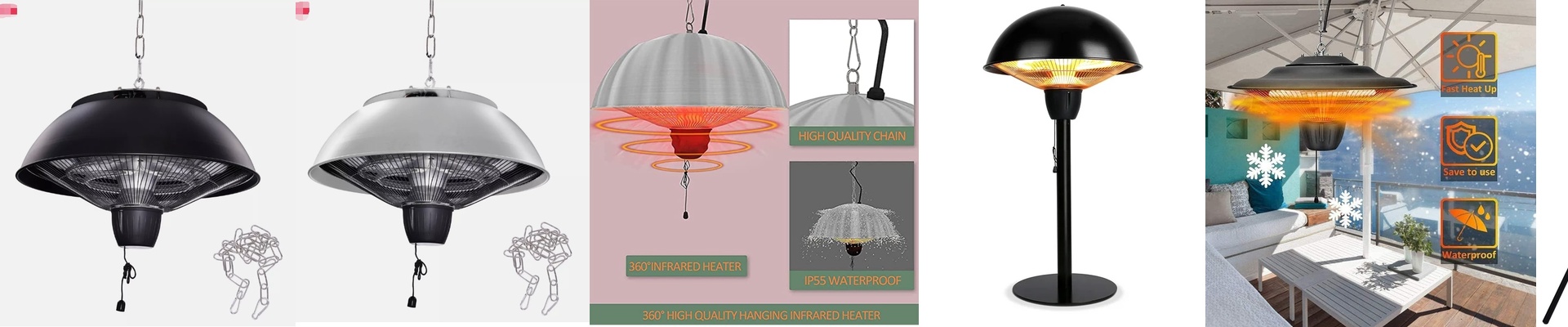
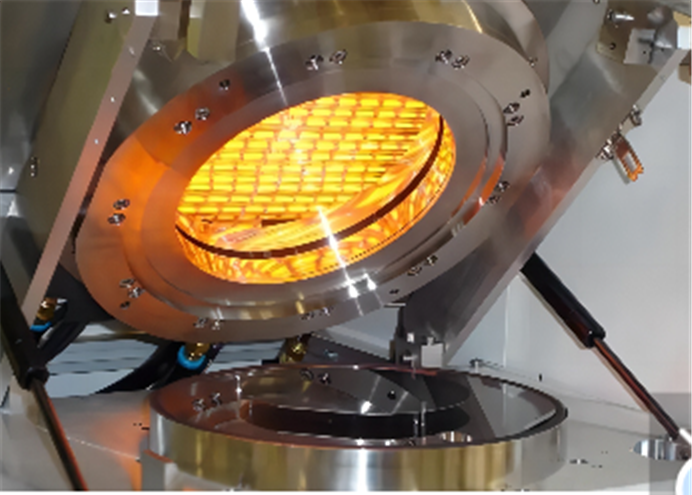
Think about a convection oven. It has to heat up all the air inside before your food actually gets warm. That’s a waste of time and energy. IR lamps are different. They send energy straight to the wafer surface. No massive air-handling units, no waiting around. We stick to short-wave and medium-wave IR because it hits the photoresist or adhesive layers exactly where it needs to, without cooking the substrate. It’s targeted. And because it’s precise, the tool doesn’t eat nearly as much power.
The balancing act: Distance and Density
Getting the distance between the lamp and the wafer right is everything. It’s a bit of a tightrope walk. If you mount those lamps too close? You’ll get “hot spots” or end up burning the edges of your wafers. But if you push them too far back, you’re just wasting heat into the room. We spend a lot of time calibrating this based on the quartz tube’s wattage and wavelength. High-wattage lamps pack a punch, but you have to make sure your cooling system can handle the reflected energy. If you don’t, the lamp will just burn itself out.
The trade-offs
The best part about IR curing is that it’s a “dry” process. You don’t have to deal with VOCs or scrubbing lead-contaminated exhaust. Your filtration setup becomes way easier to manage. Now, there is one catch. When those lamps first ramp up, there’s a big power spike. You’ll want a stable power supply so you don’t see voltage dips the moment the heaters kick in. But once you’re up to temperature? Everything speeds up. Cycle times drop, and you end up using fewer kWh per wafer. It’s just more efficient.