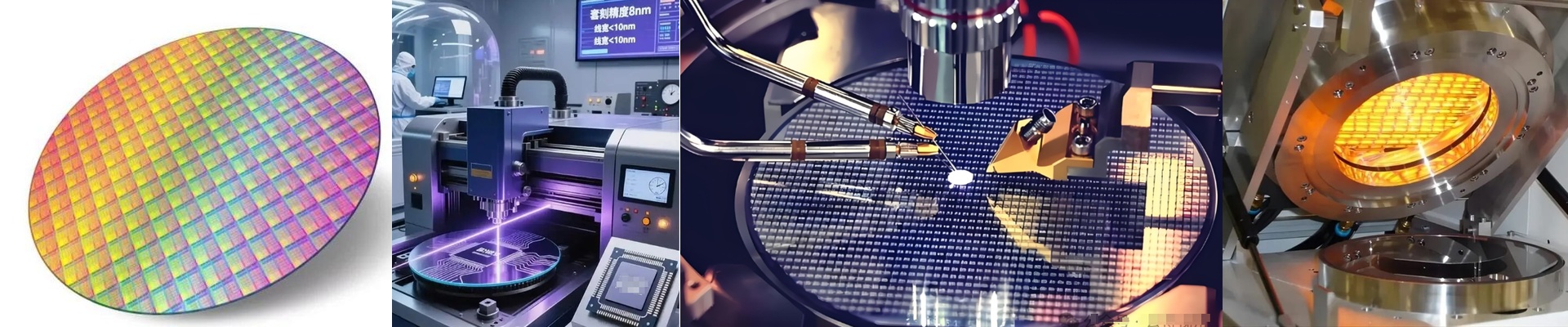
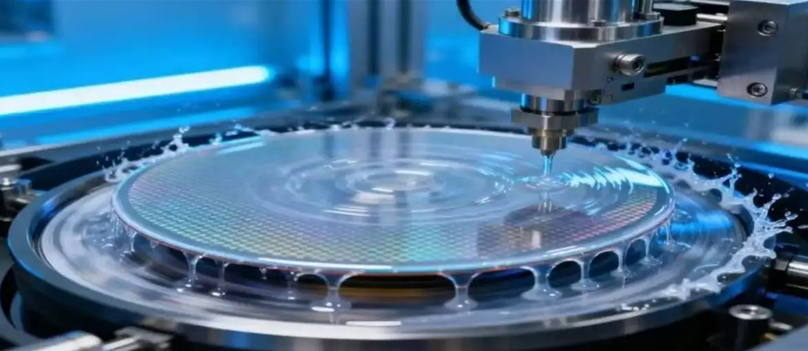
On the fab floor, bake profiles drift—and yield takes the hit. Conventional emitters just can’t hold temperature across the wafer. You end up with edges under-cured while the center runs hot. That variability bleeds time, energy, and good die.
What matters, technically
We run a ceramic end cap IR emitter that gives sub-millimeter uniform heat distribution. The result is wafer-level thermal uniformity within ±0.1°C. The ceramic body keeps emissivity stable and snaps to temperature fast, and the engineered geometry shapes the thermal field to fit the process window. From soft bake to hard bake, the profile repeats—lot to lot, tool to tool. The system sits in Class 1–100 cleanrooms without spiking particle counts, and the ceramic construction won’t outgas and contaminate the photoresist.
Why this works in lithography
In lithography, you need temperature that follows the recipe, not the room. This emitter holds setpoint through the bake cycle, so critical dimensions stay in spec. Rework drops. Scrap drops. Line-width control stays tight. Energy use comes down because we heat the target zone, not the surrounding fixtures. And with long life and stable output, you see fewer unplanned stops and shorter maintenance windows.
The details that bite you
Installation comes down to alignment—precise to the wafer plane—and a clean thermal interface. Miss by a fraction of a millimeter and the hot spot moves. Match the emitter to your chamber geometry, and make sure your controller supports closed-loop wavelength sensing. Warm-up to thermal stability runs a touch longer than resistive heaters. Once you’re there, the profile sticks—shift after shift.