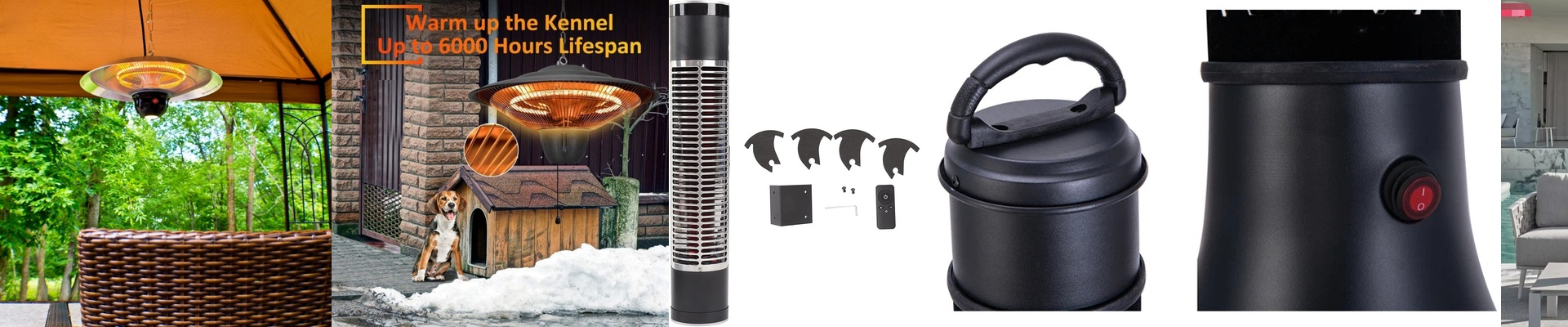
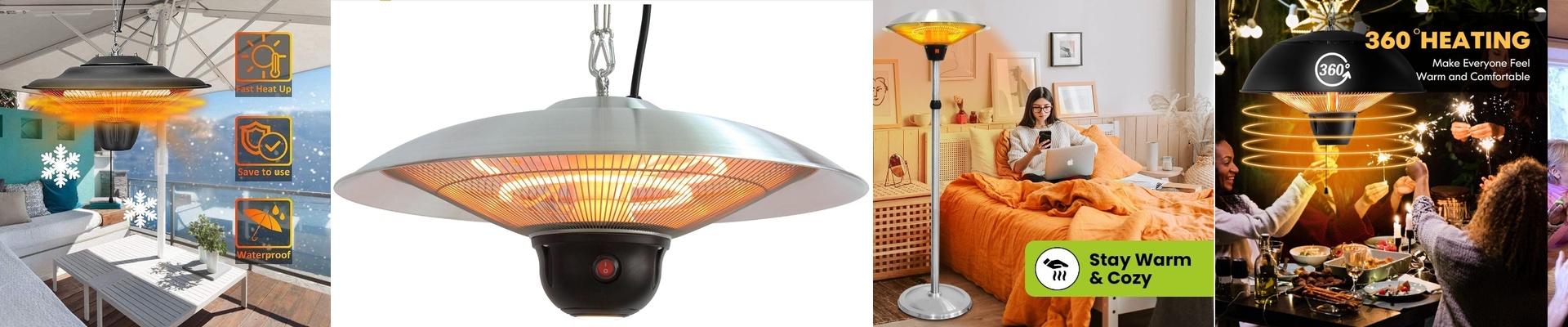
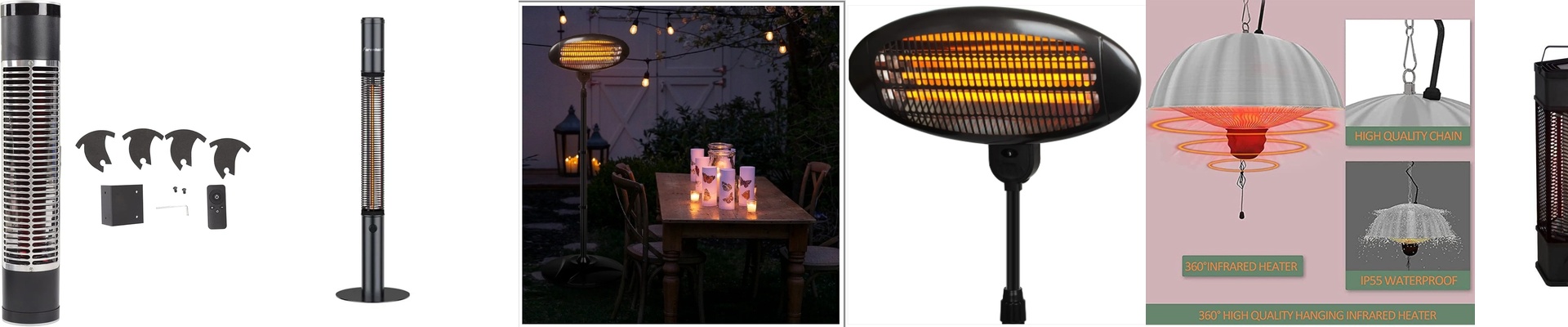
Why we use explosion-proof quartz glass in infrared heaters
If you’re designing infrared lamps for a bathroom, the heat isn’t actually what keeps me up at night. It’s the water. Think about it. You’ve got a lamp running at 800°C. Suddenly, a stray drop of cold shower water hits that surface. With standard quartz, that’s a recipe for a disaster—the glass can just shatter. That’s why we stick with explosion-proof quartz glass. It’s just safer. The physics of the “pop” Now, quartz is already pretty good at handling temperature swings. But a shower is an extreme environment. The difference between a scorching lamp and a cold droplet is just too much for basic glass to take. To fix this, we either add a reinforced layer to the quartz or go with a double-walled vacuum design. This way, if something does go wrong and the inner glass cracks, the shards stay put. They don’t end up falling on whoever is standing under the heater. Power, heat, and the “weak link” These lamps need high wattage to get you warm the second you flip the switch. It feels great, but it puts a ton of stress on a very small area. Here’s the thing: the glass is tough, but your wiring might not be. If you use cheap connectors, the terminals will fry long before the quartz tube ever gives out. I always suggest using high-temperature alloys for the contact points. It’s the only way to make sure the whole system lasts as long as the lamp does. What to expect during install Swapping these into standard fixtures is usually a breeze. But there is one little catch. Because of that protective coating, you might notice the heat isn’t quite as raw as it is with a clear, non-reinforced tube. It’s a tiny dip in performance, but honestly? It’s a trade-off I’ll take every single time for the sake of safety. Just a heads-up: make sure your housing has plenty of ventilation. If the heat gets trapped, it’ll start eating away at your outer casing over time. Keep it breathing, and you’re good to go.