
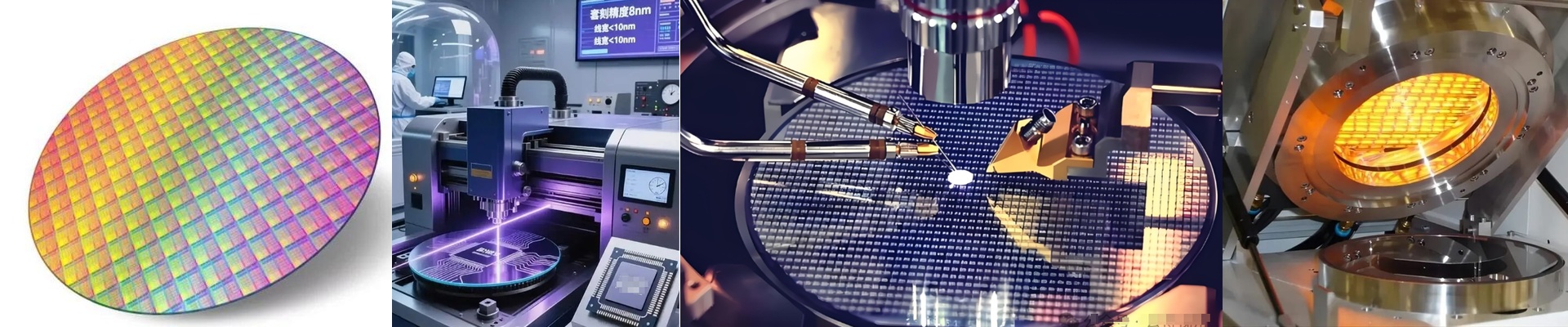

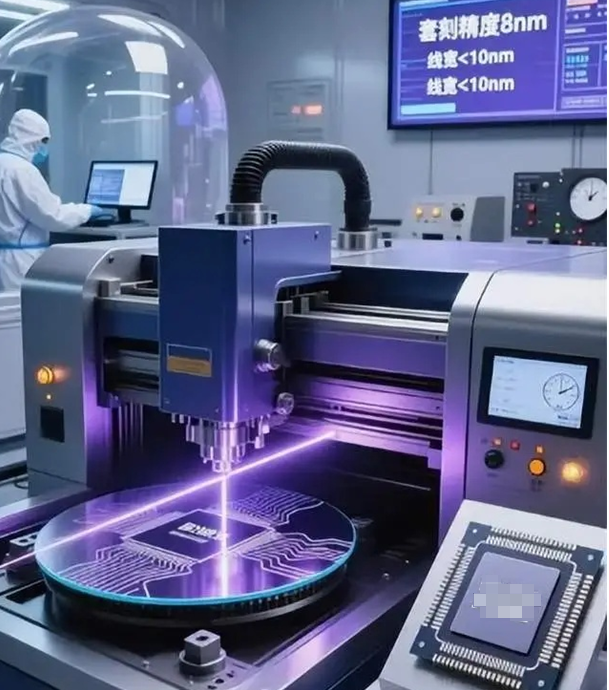
Out on the fab floor, you know how it goes—half a degree of drift in the photoresist bake can shift linewidths, eat into your CD budget, and turn a whole lot of wafers into scrap. Bulk infrared bulbs in the fab aren’t just heaters. They anchor the thermal metrology in coat/bake tracks and curing modules.
What matters under the hood
We build short-wave infrared bulbs around quartz-halogen stability and fast response, so you get wafer-level uniformity within ±0.1°C across the bake plate. The envelope is cleanroom-compatible for Class 1–100, using low-outgassing materials and a sealed build that keeps particle count from creeping up. When you’re running lithography stacks and thin resists, zero particle generation is not optional—it’s mandatory.
Output repeatability holds tight around the clock, and the spectral profile is tuned to match photoresist absorption. That gives you even heating without hot spots.
Why this matters in practice
In photoresist processing, the soft bake sets solvent removal and film stress, while the hard bake locks the image before etch. Nail that precision and you cut rework, trim scrap, and tighten the process window. You end up with tighter CD control, more overlay margin, and consistent yield lot to lot.
Energy use drops, too. Fast settling and tight regulation cut soak time and keep overshoot from wasting heat. For bulk buys, standardized form factors simplify your spares strategy across multiple tracks—fewer surprises, less maintenance labor.
Here are the details that keep you out of trouble
You have to match the bulb to your reflector geometry and voltage rail. Mismatched reflectors will show up as ring nonuniformity, plain as day.
After ignition, give the lamp its warm-up stabilization window, and keep calibration intervals aligned with your SPC program. Bulb life is long, but thermal cycling stresses the filaments—keep bake profiles stable and avoid power cycling you don’t need.